A hundred death metal albums not from the USA
Between 1993 and 1994, death metal popped its head above the underground parapet to peek into the mainstream. From airplay on MTV’s Headbangers Ball, to Morbid Angel being the first death metal band to get major label backing with a signing to Giant Records, to bloody Ace Ventura. At the time, the music industry was actually an industry as opposed to the glorified PR network it is today. It had real power. And could often bend the zeitgeist to its will. Label execs, journalists, and tastemakers across TV and radio were used to having the final say on what was in and out, and aside from some notable exceptions, they usually got their way. And by this time, they had their eyes on death metal as the next viable product to revive metal’s corpse as thrash metal appeared to breathe its last.
With hindsight they were of course misguided. But for a brief window death metal looked primed to become the mainstream face of metal. This led to an interesting bifurcation in styles, just as its demographic spread to previously shutoff quarters of the world as Eastern Europe began to open up. There was a clear distinction between the larger, more established acts making a play for chart success, and an underground that was beginning to flex its experimental muscles as bands were finding out just how deep the creative rabbit hole could go.
But, with the best will in the world, there was little appetite for death metal in the broader public. The six figure sales bassline Roadrunner’s Monte Conner set for Obituary’s third album ‘The End Complete’ still paled in comparison to the numbers thrash was doing a few years prior, with Metallica’s ‘…And Justice For All’ having sold 1.7 million copies in the US alone by the end of 1988. By 1994 most discerning music fans had at least heard of death metal, but usually as a kind of byword for extremity or going too far. The artistic development of death metal was therefore free to carry on untroubled by commercial interference, leading to some of its most imaginative moments even if the cost was a viable career. Little wonder the number of one hit wonders or bands that quickly shifted genre included in this list. And this, again, partly explains my decision to do a list excluding the US, because the enweirdification of death metal largely took place elsewhere, in locales somewhat distant from the genre’s biggest selling artists in Morbid Angel, Cannibal Corpse, Obituary, Deicide etc.
As an aside, when commercial interests move into previously underground territory, one biproduct is ravenous classification through PR guff, writeups, and hubristic journalists hoping to coin a phrase, as a result subgenre tags began circulating with abandon. It’s at this point we see death metal begin to segment off, the various styles we take for granted today only just beginning to germinate; melodic, progressive, brutal, doom, technical and so on. Whilst these features were at least measurable in pre-93 death metal, they were looser, free of the endless pedantry we subject ourselves to today.
On a personal note…I’m tired boss. Trying to crank this out before heading off to Brutal Assault next week is proving taxing. Housekeeping wise, I should also have made clear that I’ve limited myself to one album per band. There are already too many omissions and compromises going on even with a list a hundred strong, adding multiple albums per artist to this exercise even if justified is simply beyond my gift.
Amboss: Those Who Have Lost the Right to Exist (Germany, 1993)
Category: Useful Footnote
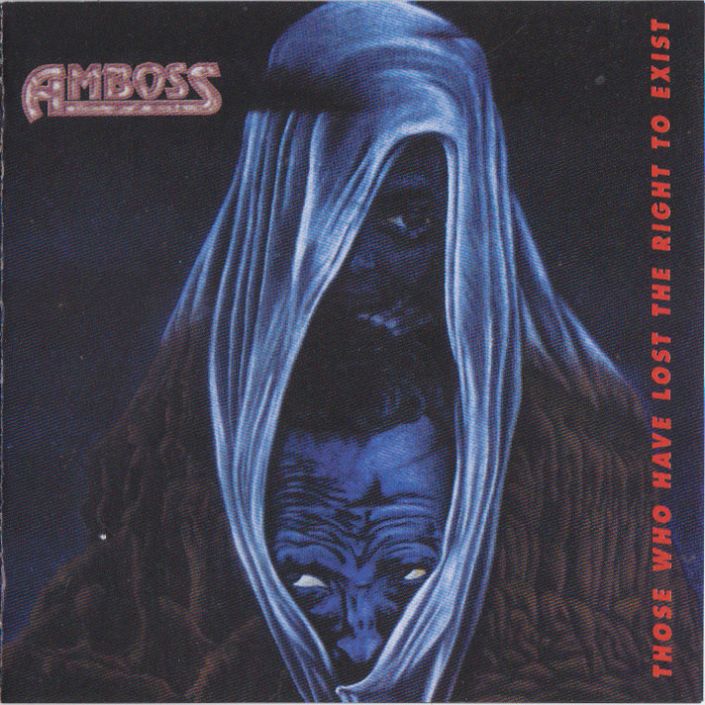
The reason Germany never became synonymous with death metal is not for lack of trying, just lack of staying power maybe. Amboss and this curious one hit wonder are a case in point. On first reading this bears a lot of similarities to Obituary, not least the very Tardy-esque vocals, but also in overall pacing and rhythmic bounce. But closer study reveals a more progressively minded beast even if it sticks close to the Tampa mould. Elements of Atheist and Death sit happily alongside a darker Germanic sole, including some welcome nods to technical thrash of the previous era, culminating in a lost curiosity of elaborations on known forms.
Unanimated: In the Forest of the Dreaming Dead (Sweden, 1993)
Category: Useful Footnote
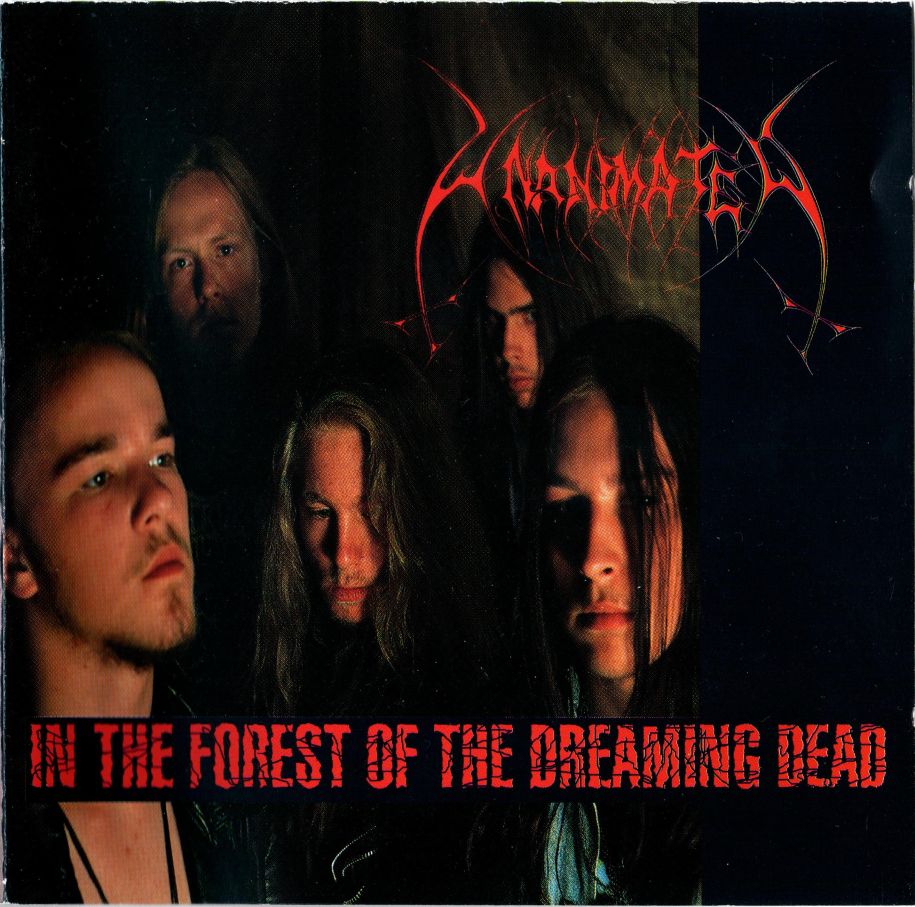
1993 is the year we start to see melodic death metal as it’s now known take shape. What we really mean by this is more complex traditional melody. Even as far back as Possessed death metal bands deployed recognisable melodies. Atonality may have won for a time as the genre reached its pomp, but by the early 90s bands across Scandinavia specifically were beginning to elaborate on melodic sentences, unpacking them in an extreme setting, gestating in albums like ‘Soulside Journey’ and ‘The Red in the Sky is Ours’. By the time we get to something like Unanimated’s debut, we see a more commercially viable interpretation of this approach, alongside a clear black metal influence jumping the fence. Indeed, the co-evolution of Swedish black and death metal in particular (Sacramentum, Necrophobic, Dissection, Dawn etc.) speaks of a striking degree of mutual respect even if publicly the two scenes remained at loggerheads.
Desultory: Into Eternity (Sweden, 1993)
Category: Further Reading
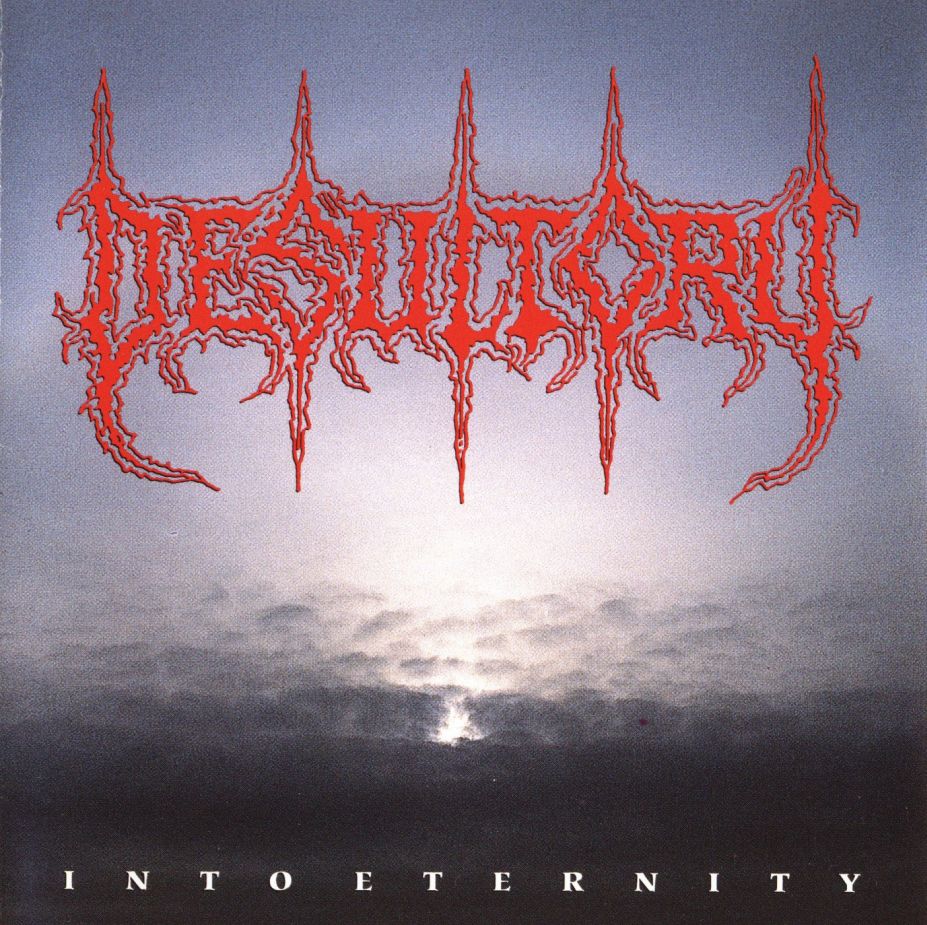
In one sense, early Desultory bridges the gap between the early Sunlight Studios bands and the melodic direction Sweden later became known for. Tomas Skogsberg had by this point honed his craft to the point where his fingerprints were all over the music every bit as much as the musicians themselves. And here they are put in service of a band attempting to upgrade their thrash roots with dense but tight compositions, more melodic character, and a sense of gravitas. Whilst it falls short of the bigger hitters in this style, it makes for a useful second division reference point for anyone interested in tracking the evolution of Swedish death metal from its obscurantist early days into the bright, catchy hooks it later exported around the world.
Demilich: Nespithe (Finland, 1993)
Category: Core Text
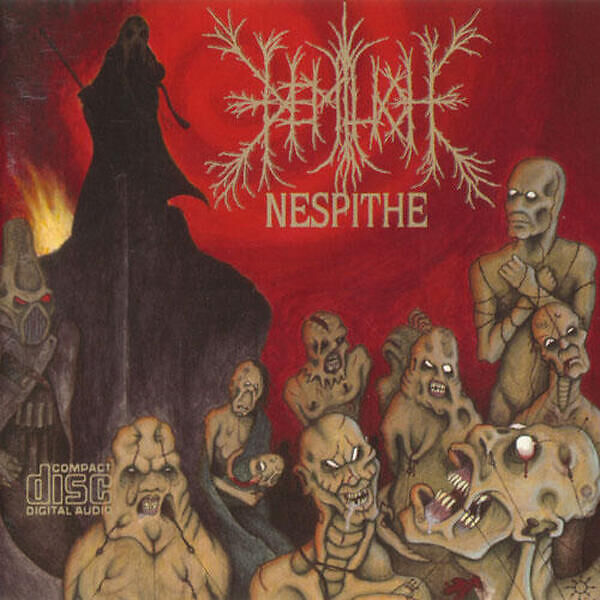
After the hotbeds in Tampa, New York, and Sweden, Finland probably established the most geographically specific style. But it only entered the global zeitgeist retrospectively. This album is perhaps the prime example of why. Almost too avant-garde for its own good, it remained an obscurity until the early 2000s when Demilich put their entire discography online for free, leading to a gradual trickle down to younger fans unsure of what they had discovered. By the 2010s popularity had reached cult status, prompting Antti Boman to get the band back together as a fully functioning live unit. Today, this album’s influence can be felt across an entire codex of death metal, often referred to as Lovecraftian. Excessive pastiche may have dimmed the charm somewhat, but it’s easy to forget just how anomalous Demilich were at a time when the popular face of death metal was homogenising. Equally, watching these songs performed live does lend credence to the notion of tentacled death metal. As the fingers spider up and down the fretboard to articulate these non-linear riffs it looks, both physically and metaphorically, like a many limbed entity extended itself in multiple directions at once. Beyond the album’s infamous eccentricities however, it slots neatly into Finland’s identity as a death metal nation, connecting the brooding surrealism of Demigod or Adramelech with Sentenced’s more melodic yet undeniably leftfield interjection ‘North From Here’ of the same year.
Eucharist: A Velvet Creation (Sweden, 1993)
Category: Further Reading
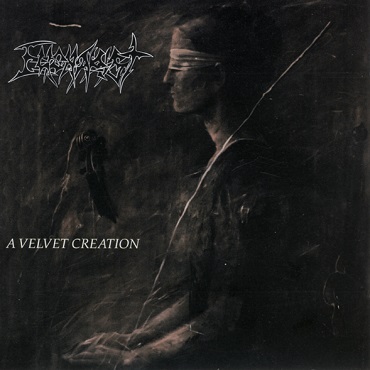
This early addition to what would later be called melodic death metal delights more than it disappoints, but its chief value is academic. Firstly, for offering a vision of distinctively Swedish death metal outside the shadow of Sunlight Studios. Secondly, for allowing us to witness the development of proto-neoclassical melodies in a death metal setting in real time. Many of the lead refrains take on a baroque posture, but are worked into the tonal ambiguity of death metal in a manner similar to Sentenced or At the Gates. The result is a curious blender of an album that just about holds together despite its eclecticism. From black metal curious riffs, to folk flourishes, heavy metal pomp, and some nods to more blue blooded death metal from across the pond, the assemblage of influences Eucharist bind together here highlights the mix of gothic flair and muscular riffing that many found so appealing about the growing move away from chromaticism taken up in Northern Europe.
Supuration: The Cube (France, 1993)
Category: Core Text
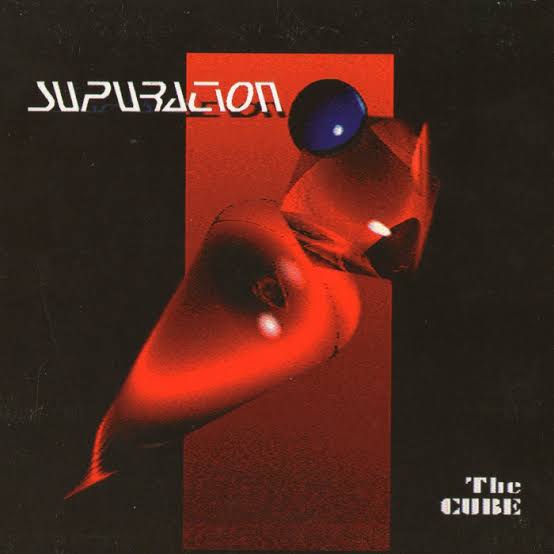
France didn’t often interject into metal in the 90s, but when they did people knew about it. Supuration fused classic heavy metal guitar leads with a futurist progressive metal impulse, delivered with the understated gloom of a gothic rock album, deadpan clean vocals and all. ‘The Cube’ could therefore be understood as a neat companion piece to ‘Nespithe’. The latter a bombastically surreal descanting on body horror and sheer disorientation, the former a more brooding, psychological horror, caveating the hope of its euphoric guitar leads with nods to the germinal gothic doom style taking shape at this time.
Depravity: Silence of the Centuries (Finland, 1993)
Category: Core Text
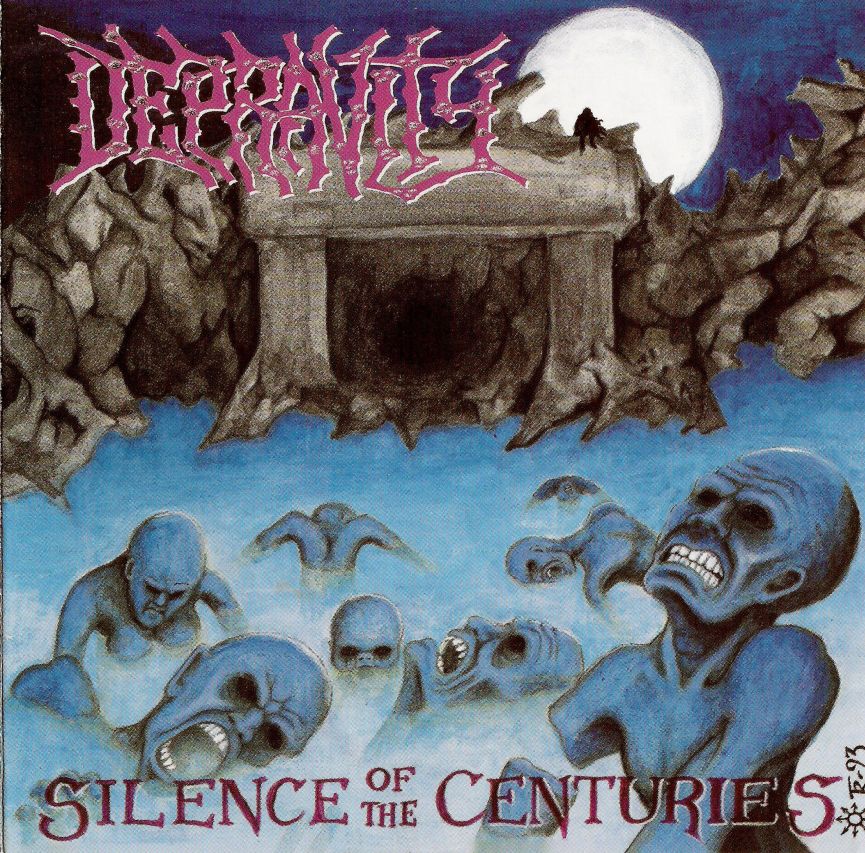
Although only a twenty minute EP, ‘Silence of the Centuries’ is the ideal primer for Finnish death metal. Right down to the distinctive cover art furnished by one Turkka Rantanen who sadly passed away earlier this year, whose work can also be found on Demilich, Demigod, and Adramalech amongst many others. Musically it somehow stretches itself between the epical hope of Amorphis, the despondent gloom of Demigod, and a degree of the Weird and the Eerie that made death metal from this region and time so compelling. A strong Bolt Thrower influence is locked in place, but supplemented with that sense of dread that’s so unmistakably Finnish.
Horrified: Garden of Unearthly Delights (Greece, 1993)
Category: Further Reading
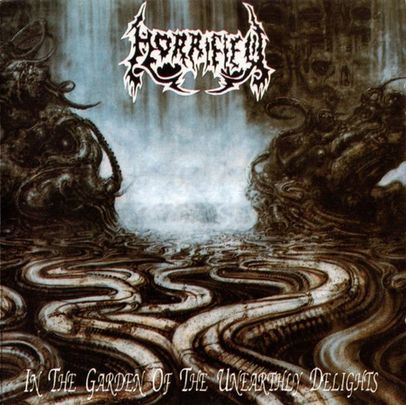
Early 90s Greek death metal is perhaps best understood as an offshoot of its much lauded black metal scene. Horrified even shared members with Varathron and Rotting Christ at different times. And their style, along with Nightfall and their better known compatriots Septic Flesh, is closer to heavy metal melodicism than the dirty occultism of Necromantia or Medieval Demon, or indeed the Bathory infused pomp of Zemial and Agatus. What we get here is essentially a meandering, elaborate, highly orchestrated form of death metal that feels built in the studio, as opposed to a working band having to refashion themselves into a recording entity, emphasised by Horrified’s use of programmed drums (apparently good drummers were in short supply in Athens given Septic Flesh also made use of a machine). Aside from the vocals, even categorising this as death metal is almost pot luck, given that there are as many heavy metal or black metal adjacent riffs across this material. But reading this alongside the more melodic, and by extension theatrical gestures going on in Northern Europe this slots into the subplot of death metal rediscovering traditional melodic forms alongside the increasingly technical, chromatic, and jazz derived progressive moves being made by 1993.
Sentenced: North From Here (Finland, 1993)
Category: Core Text
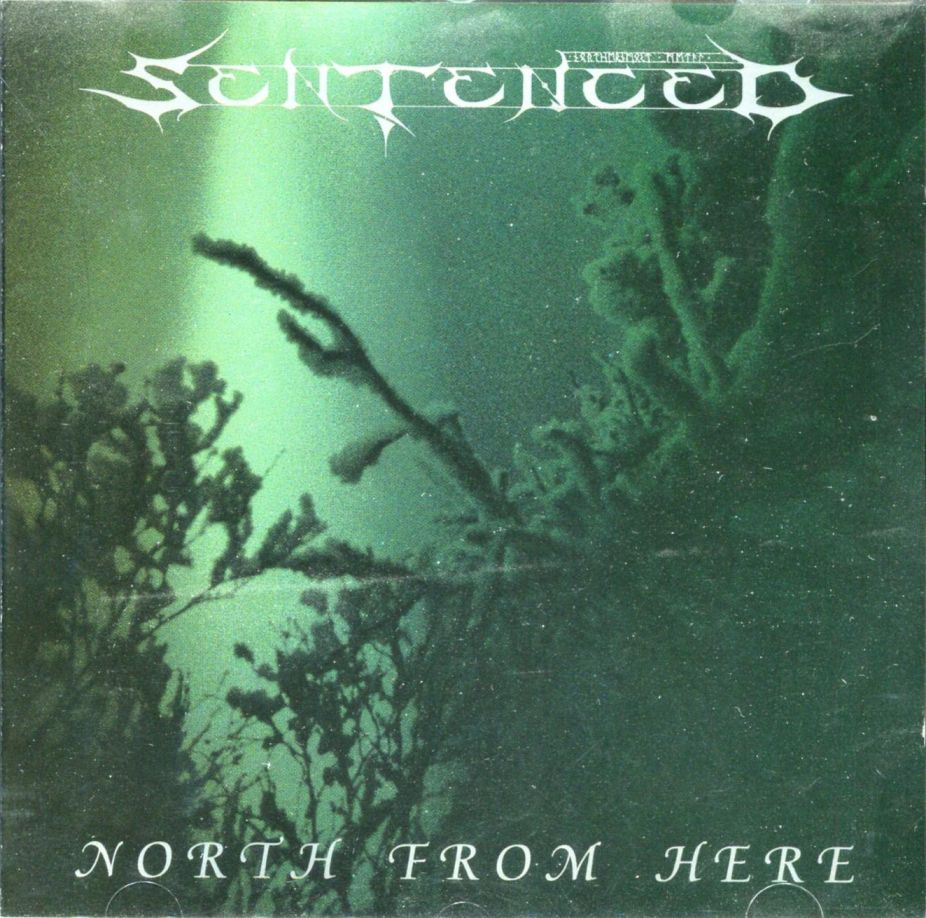
Like Therion or Tiamat before them, Sentenced began life as a serviceable death metal outfit easily locatable within the scenes that birthed them only to Tokyo drift their way to other styles. But not before delivering one of the genre’s most unique statements. This is in some sense a purer expression of death metal as a melodic artform than the kind practiced by Eucharist or Unanimated. Whilst the parallels to At the Gates’s first two albums are obvious, Sentenced took on a more explicitly black metal approach to phrasing. This allows the music to expand and retract according to whatever the sequence demands. Melodic in the sense that melody overrides riff, defining the structure and topography of each track. But unlike black metal there is a heavy emphasis on rhythm, with choppy, disorienting passages offsetting the pseudo symphonic elaboration. Culminating in a work that lends realism to its Arctic Circle subject matter that could almost make equivalent black metal works seem naïve in their fragility.
Konkhra: Sexual Affective Disorder (Denmark, 1993)
Category: Useful Footnote
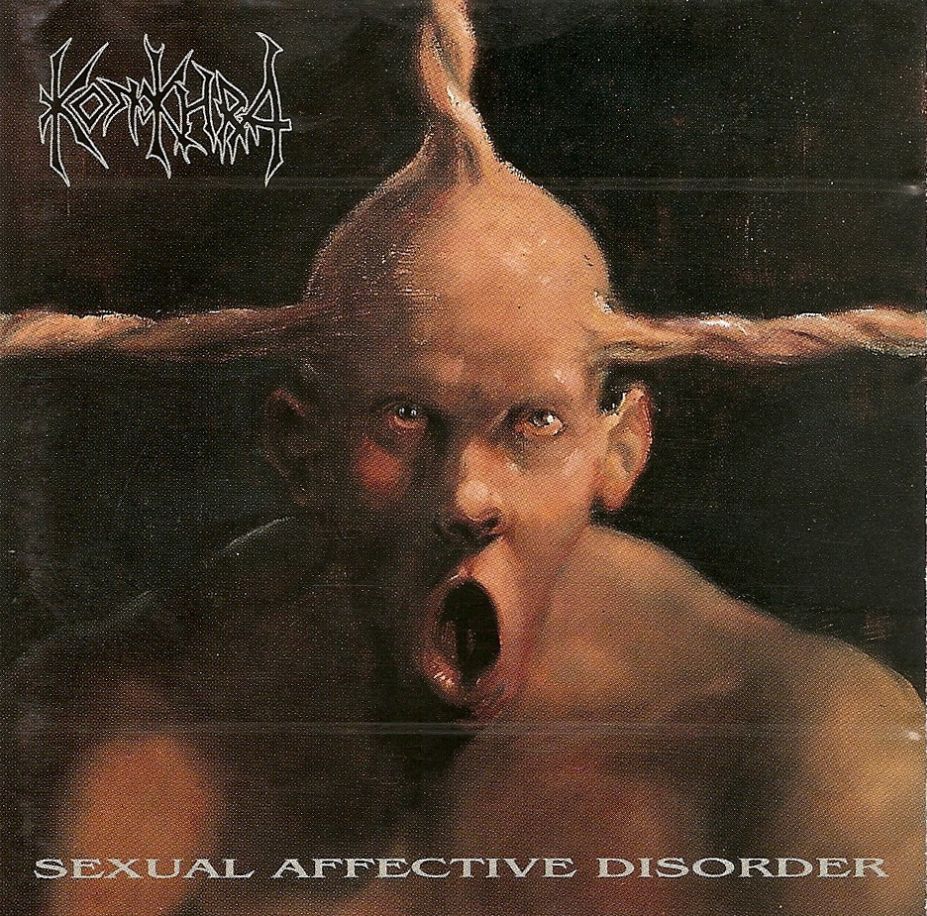
Were it not for one Mercyful Fate it would be easy to overlook Demnark’s…mark on metal. Despite being overshadowed by their Northern cousins, Danish death metal was more than capable of holding its own. With one of the earliest being this rather technical outfit formed in 1990. Despite being a product of Sunlight Studios it looks like something that could easily have emerged from Tampa. Percussive, dense, aggressive, sure, but Konkhra look down the barrel enough with sharp thrash riffing to discourage us from wheeling out the brutal tag. A distinctively American feel to counterbalance the at times floral romanticism Europeans were wont to indulge in.
At the Gates: With Fear I Kiss the Burning Darkness (Sweden, 1993)
Category: Core Text
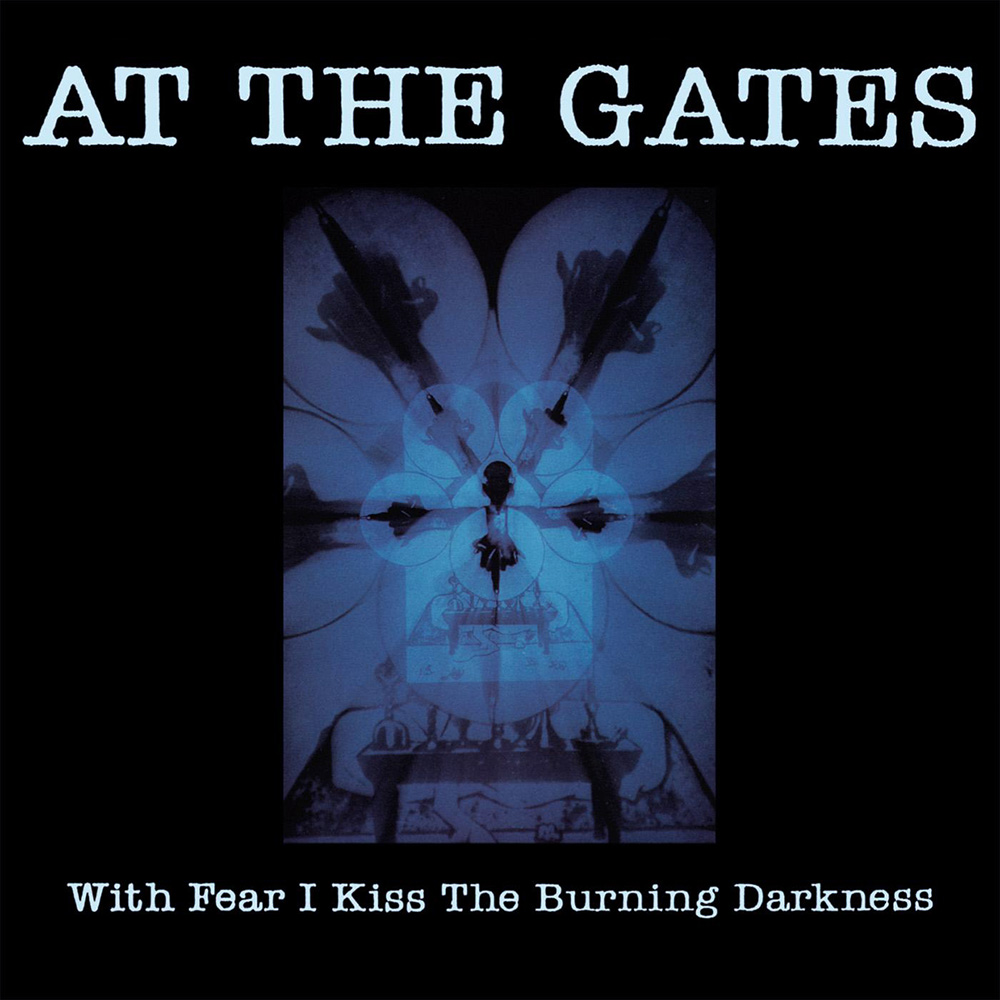
Sandwiched between the debut, one of most unique statements in death metal, and the post Alf Svensson albums that became synonymous with the so called Gothenburg style, this one often gets overlooked. Sometimes damningly referred to as transitional. The lengthy, meandering guitar lines are carried over from ‘The Red in the Sky is Ours’, weaving subtle counterpoint into the mix like lines of inquiry. But the jazzier elements have been dropped in favour of a melodic construction more in keeping with their contemporaries. One also gets the sense that the dense songwriting had to buckle in order to fit the Sunlight HM-2 template, aesthetic decisions likely taken to align At the Gates with the growing brand recognition of Swedish death metal. The result is an album that succeeds in spite of itself. The misguided packaging can lead many to characterise this as an ill-fated first run at the sugar coated radio rock of ‘Slaughter of the Soul’. But it also alienated fans of the debut, many of whom felt that the production choices were all wrong for At the Gates’s strikingly nuanced composition. Both are wrong. And both are missing out on a statement every bit as unique as its predecessor as a result.
Acrostichon: Engraved in Black (Netherlands, 1993)
Category: Useful Footnote
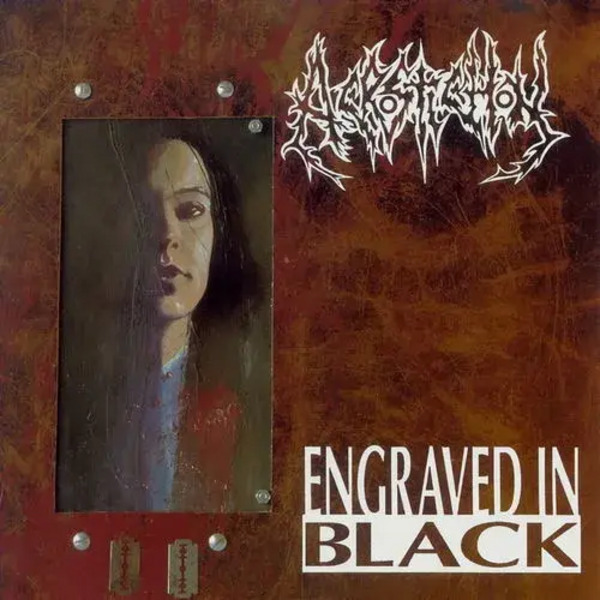
Slotting neatly into Thanatos and Gorefest of the same era, Acrostichon’s debut is just a neat demonstration of where Dutch death metal was at this time. Part classic Swedish, part doom metal via Autopsy, and a degree of playfulness unique to mainland Europe. But, given the year was 1993, this perhaps carried too much baggage over from the previous decade to really distinguish itself at the time, relegating itself to little more than an academic curiosity despite the tight symmetry of the songwriting.
Excruciate: Passage of Life (Sweden, 1993)
Category: Useful Footnote
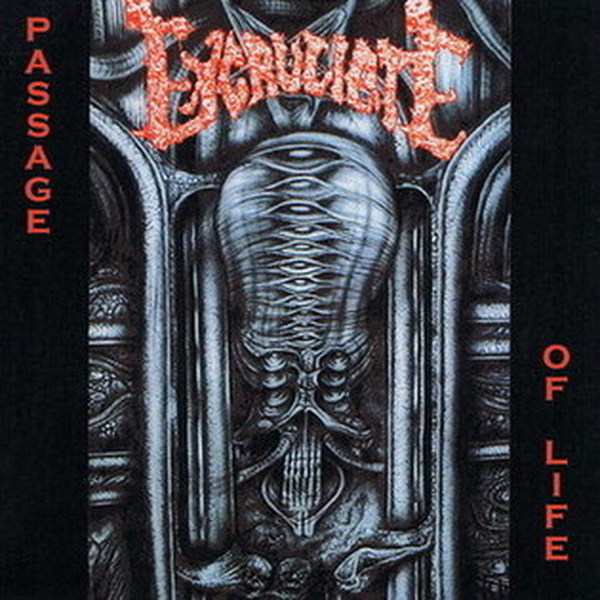
Another product of the Skogsberg/Sunlight Studios production line that failed to make headlines, Excruciate’s one and only album offers a darker, broodier take on Autopsy derived gloom metal. In some ways the inverse to Gorement’s ‘The Ending Quest’ (more on that in a bit), there is no heroism or hint at epical storytelling here. In its place is a haunted, deadpan take on downbeat death metal with none of the melancholia or fragility exhibited by Excruciate’s more melodic cousins. This album revels in its darkness, and invites the listen to almost take joy in the depressive, aided and abetted by a chunky assemblage of riffs that lend purpose to despair.
Sadist: Above the Light (Italy, 1993)
Category: Further Reading
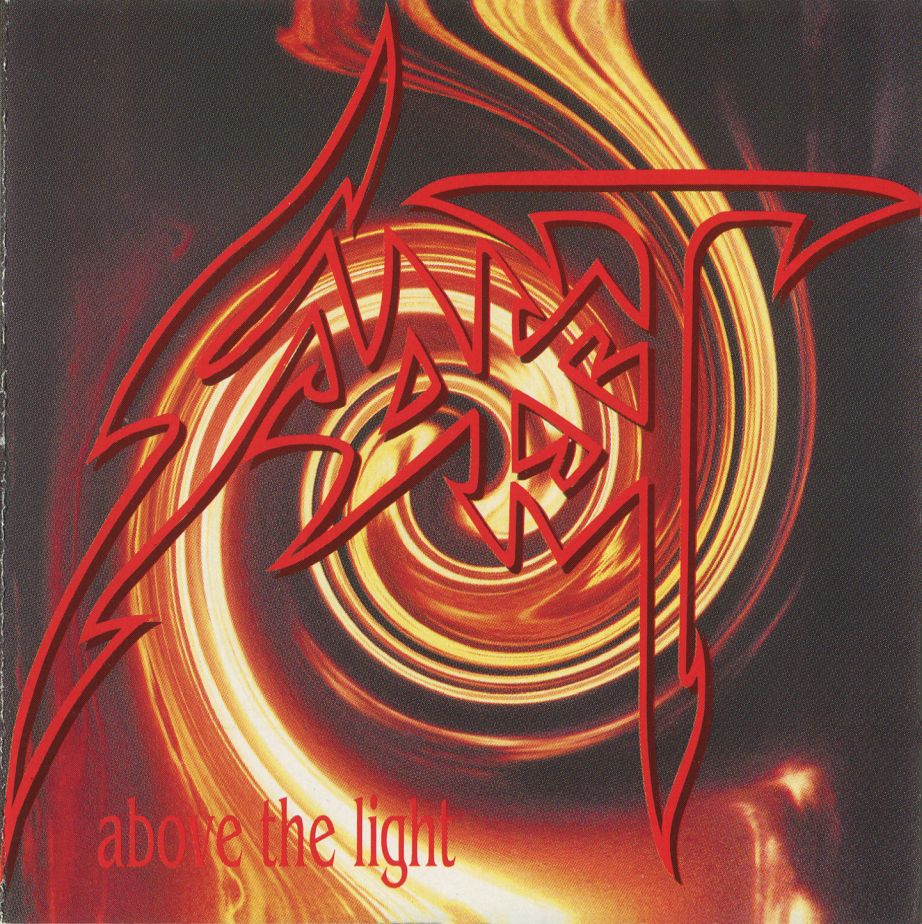
Sadist are an example par excellence of the leftfield turn death metal took by the mid-90s. The follow up, 1995’s ‘Tribe’, is a keyboard driven experiment in progressive death metal world music, jarring yet daring. But even on the debut we see an artist intent on questioning just how far death metal could be pushed. The album is also littered with richly realised keyboard lines, but here taking on a more baroque stance. It presents as a more musically refined version of the melodic gestures being worked out up North. Sadist had both greater musical chops than many of their peers, alongside an understanding of how to apply more complex theory to achieving their vision. The result is a form of progressive, neoclassical death metal still rooted in an essence of primitivism and blind fury.
Necrophobic: The Nocturnal Silence (Sweden, 1993)
Category: Core Text
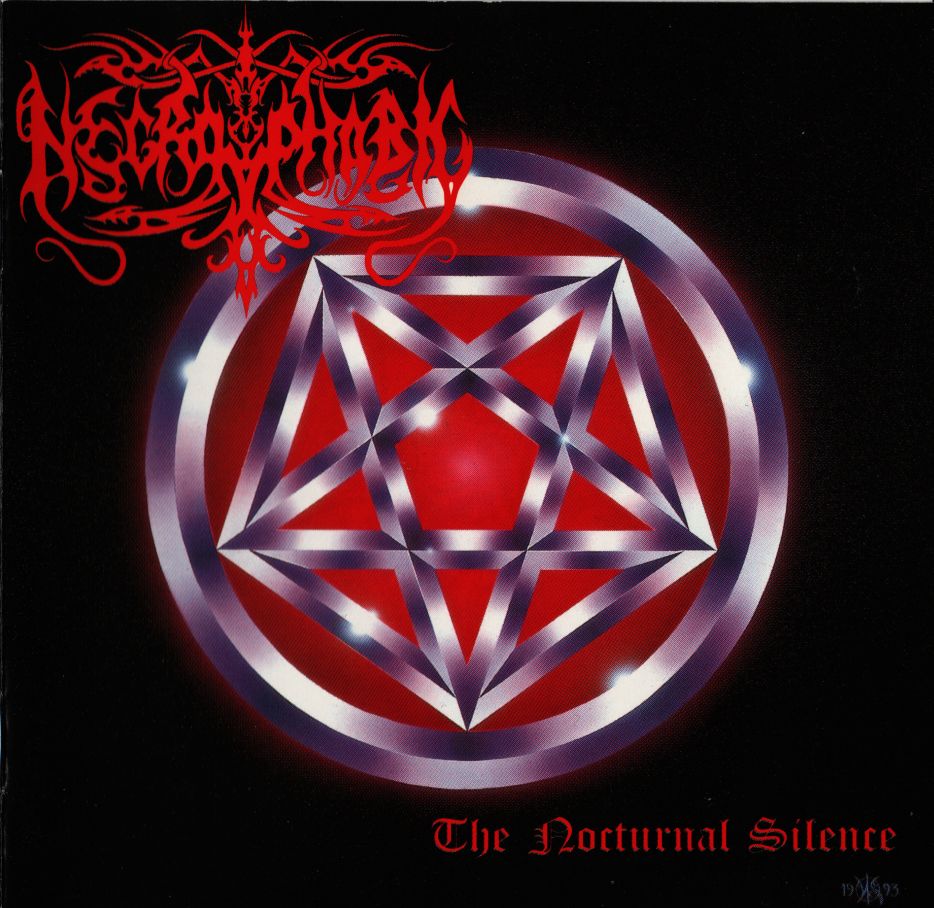
Looking back at early Necrophobic is like being reminded that there were tons of other human species under the genus homo before we homo-sapiens won out and killed them all off. Second wave black metal may have evolved in part as a response to a perceived domestication of death metal, a genre losing site of the artistic power of evil. But Necrophobic, formed in 1989, were an example of a band attempting something similar within the language of death metal itself. What they gave birth to, along with Dissection, Dawn, and Sacremantum et al., would later be known as blackened death metal. But in reality, even down to their Slayer namesake, this was first and foremost an attempt to reacquaint death metal with the evil within its own ancestry, with no reference to the co-evolution of second wave black metal. Death metal was a genre that could claim just as much influence from Hellhammer and Bathory as Possessed and ‘Hell Awaits’. Black metal may have won the evolutionary battle given that Necrophobic were forever framed as a crossover act after 1993. But albums like this offer glimmers of a third way, call it evil death metal or dark metal, a more subtle distinction that could have been expanded on had not events in Norway taken the turn that they did.
Dark Tranquillity: Skydancer (Sweden, 1993)
Category: Further Reading
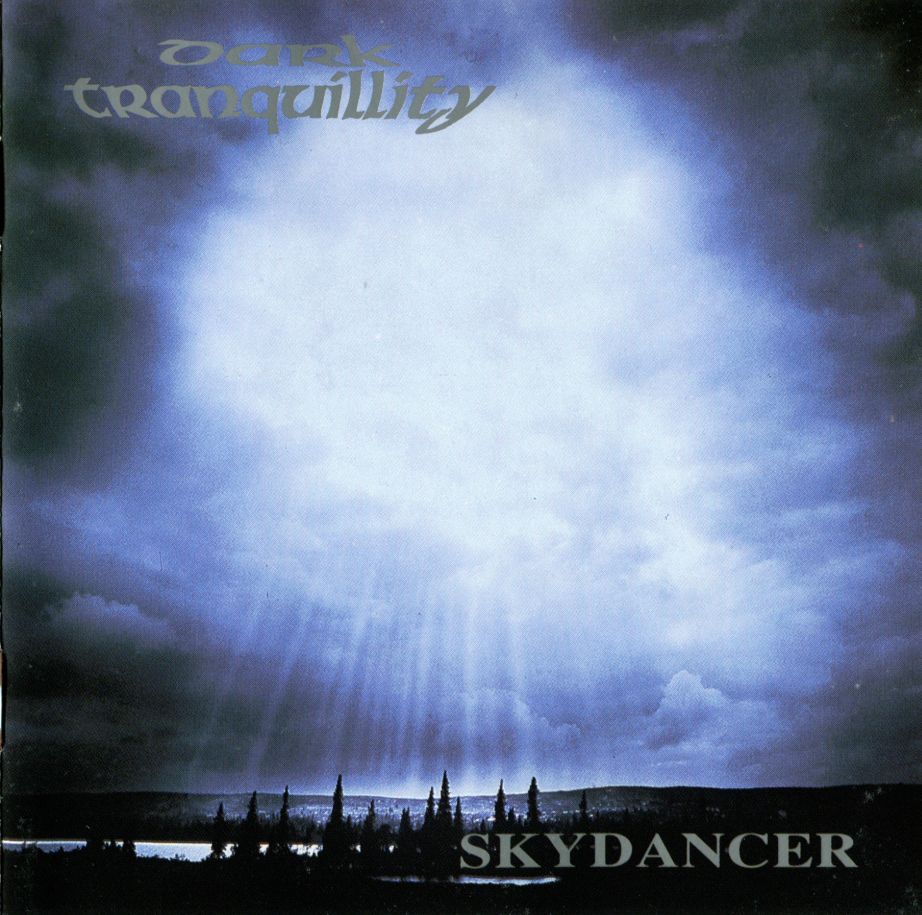
And by August 1993, Dark Tranquillity were ready to enter the big leagues with their debut, and in doing so the idea of melodic death metal finally solidified in people’s minds. What made them distinct from the more unwieldy statements earlier in the year was the suppression of anything explicitly death metal. Similar to Desultory, their roots lay in thrash, although Dark Tranquillity recombined this with an earlier heavy metal harmonic tradition. This gave rise to a hybrid metal formed of catchy, linear phrases that took brief detours into neoclassical and folk territory, something that would capture the imagination of subsequent black metal outfits (the similarities with early Abigor are striking) as much as the celebrated melodeath movement this album sparked.
diSEMBOWELMENT: Transcendence into the Peripheral (Australia, 1993)
Category: Further Reading
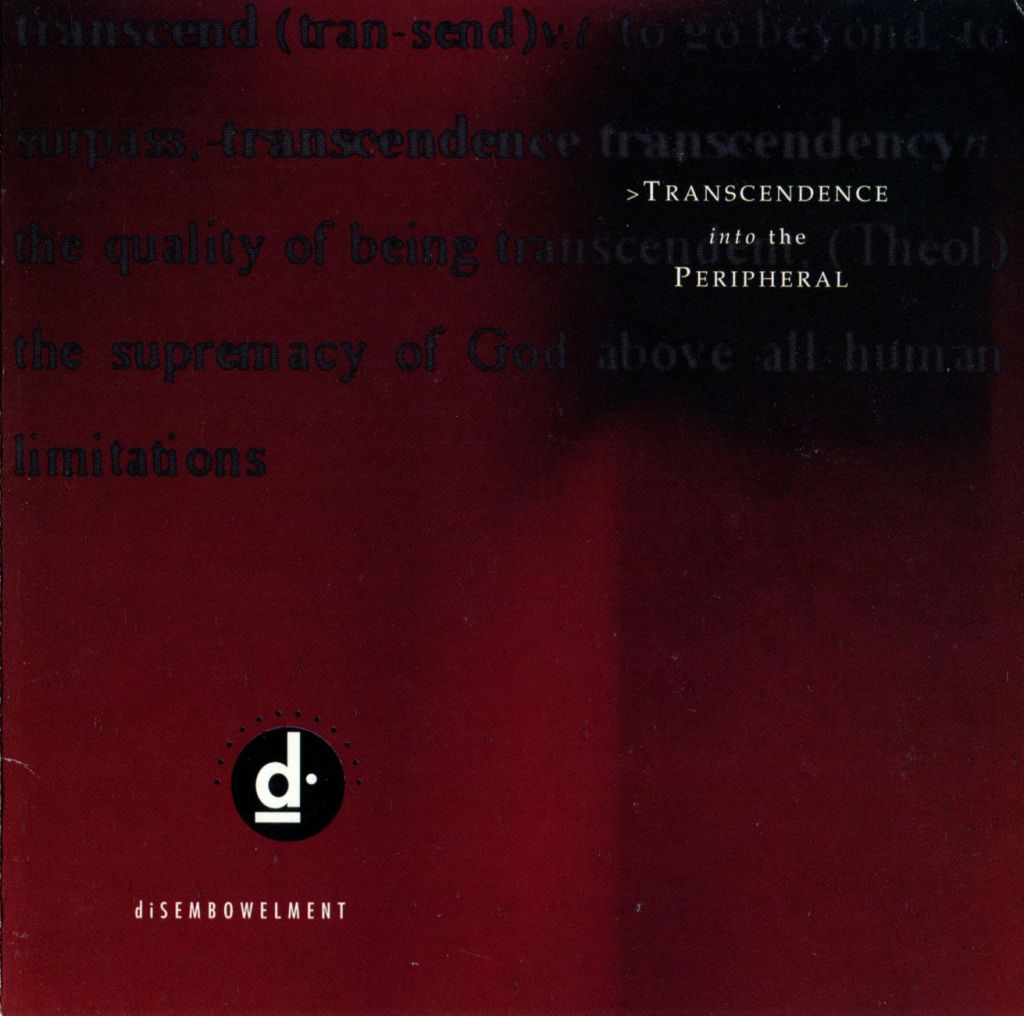
Aside from all this talk of melody, it would be remiss not to mention doom. Although Autopsy, Incantation, and Asphyx had already laid the framework, they were still pure blooded death metal bands that used slower tempos and droning chords to craft tension in stark contrast to the gradations of density deployed by their peers. It would take bands like Winter and Cathedral to truly reveal what slower extreme metal might look like. Esoteric, Skepticism, Thergothon, and one diSEMBOWELMENT were all taking notes. And this bizarre outlier from down under churned out not only one of the first examples of full blooded death/doom, but perhaps one of its most surreal statements. Part grindcore, part ambient, part post punk, all bound together by the twine of minimalist death metal. The uncanny, unsettling atmosphere conjured on this album more than makes up for its considerable bloat.
Krabathor: Cool Mortification (Czechia, 1993)
Category: Further Reading
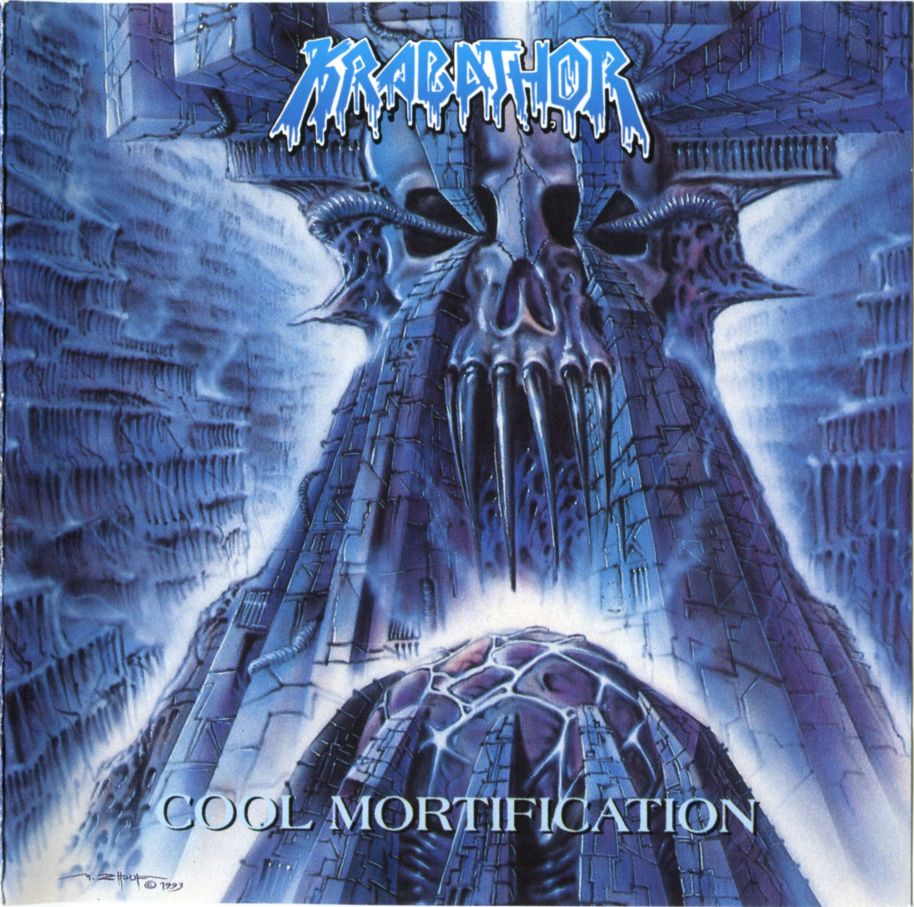
As death metal spread east, some bands attempted to find experimental wriggle room to better their idols. But others, like Krabathor or Vader who formed as thrashier outfits before the collapse of the Soviet Union, were content to simply perfect the template by the time they turned their attention to death metal. The second album from Krabathor was proof if proof were needed that there was still gas in the traditionalist tank. There’s no trick to this album and no unusual take to offer. Thrashy, Tampa adjacent death metal with near perfect arrangement, inspired guitars leads, and a striking manipulation of tension and release through both a churn in tempos and gradual developments of theme. A near perfect example of a workhorse album in every way.
God Macabre: The Winterlong… (Sweden, 1993)
Category: Useful Footnote
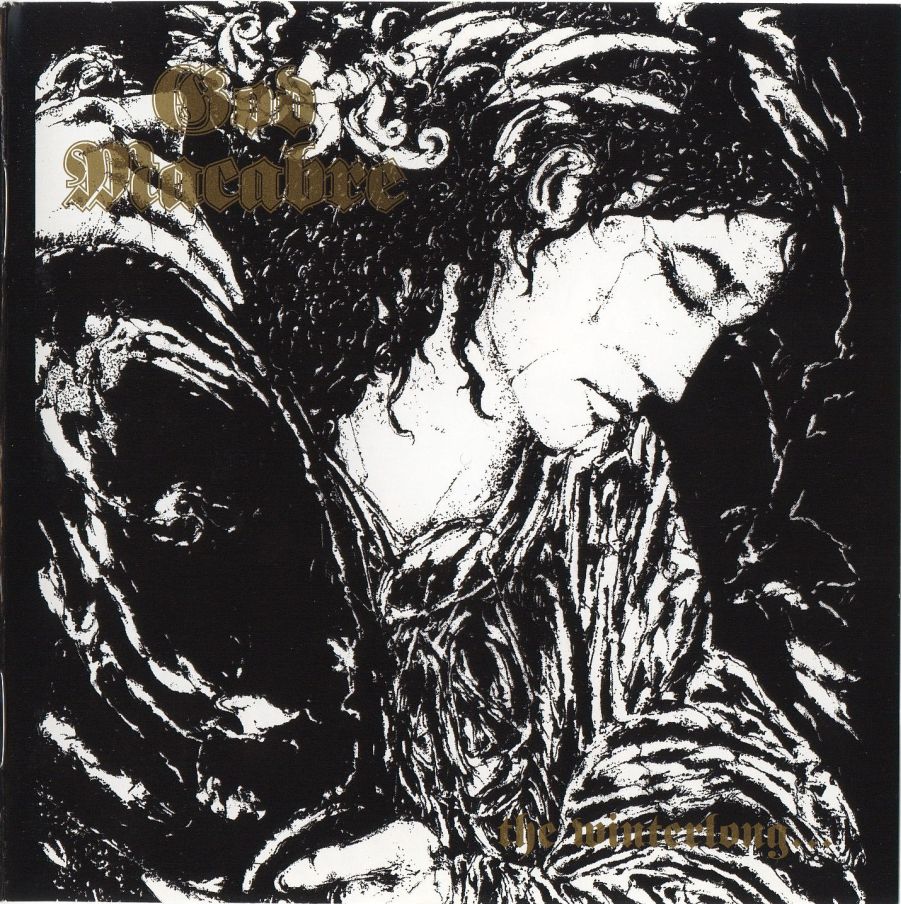
Yet another one hit wonder of the Sunlight Studio, this time co-produced by the band themselves with Skogsberg serving as an engineer. But in retrospect, this album could be read as the last hurrah of the Sunlight’s signature brew. Dismember, Entombed, Carnage, all are echoed here. Peppered with maybe a brighter melodicism, it lacks the obsessive, monomaniacal darkness of the early 90s, instead choosing to update the recipe with some variety and dynamism. A negative reading would say this therefore lacks the complexity of the more flamboyantly melodic offerings emerging at this time whilst also lacking the darkness of earlier albums. But from a different angle it makes for a neat companion piece to Excruciate or Gorement.
Katatonia: Dance of December Souls (Sweden, 1993)
Category: Further Reading
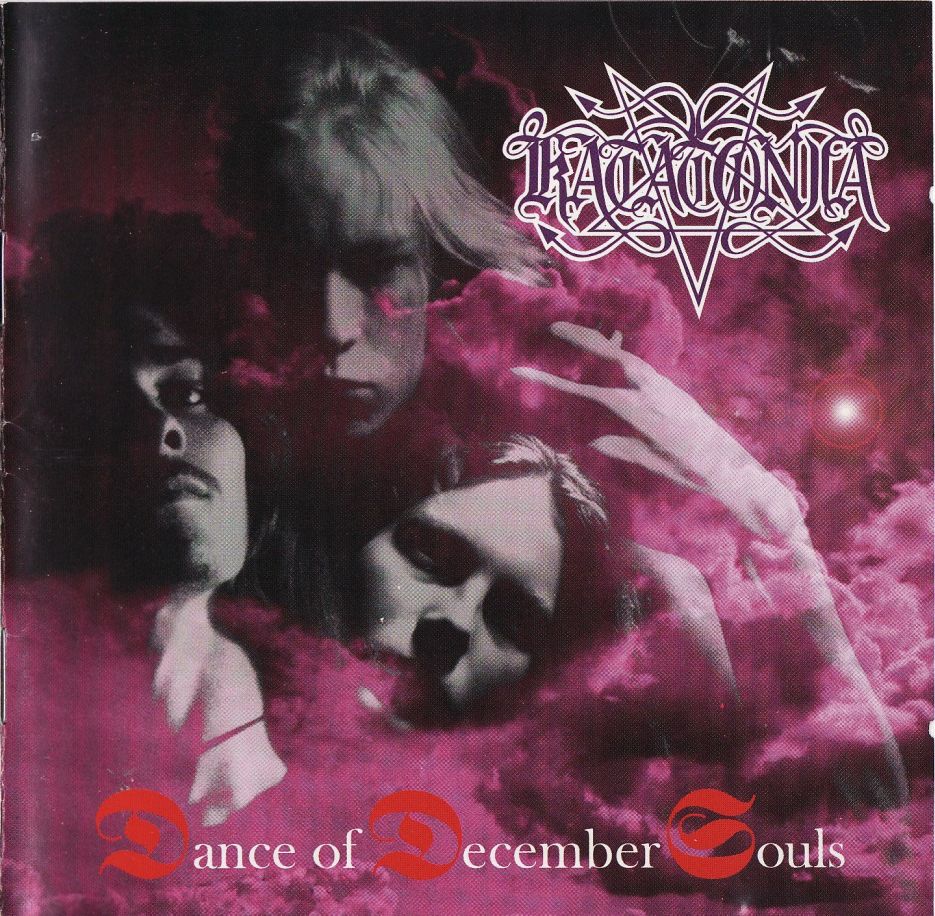
Katatonia are included here to illustrate that 1993 really was the year of the great bifurcation in death metal. The connection this and indeed bands like The Gathering, the so called Peaceville three, and Opeth had with something like Suffocation or Cannibal Corpse, beyond a shared ancestry, was becoming dubious. It’s tempting, and from one angle justified, to characterise this as the genre leaping forward in multiple directions at once. But Katatonia were in another sense regressive, specifically in terms of their methodology, with guitar harmonies and melodies all drawn from heavy metal of the previous decade (Candlemass is all over this material). But they managed to update the aesthetic package, deliver it with more sincerity and melodrama, and thus find a way to upgrade the still relatively new artform of death metal with old knowledge.
Unholy: From the Shadows (Finland, 1993)
Category: Further Reading
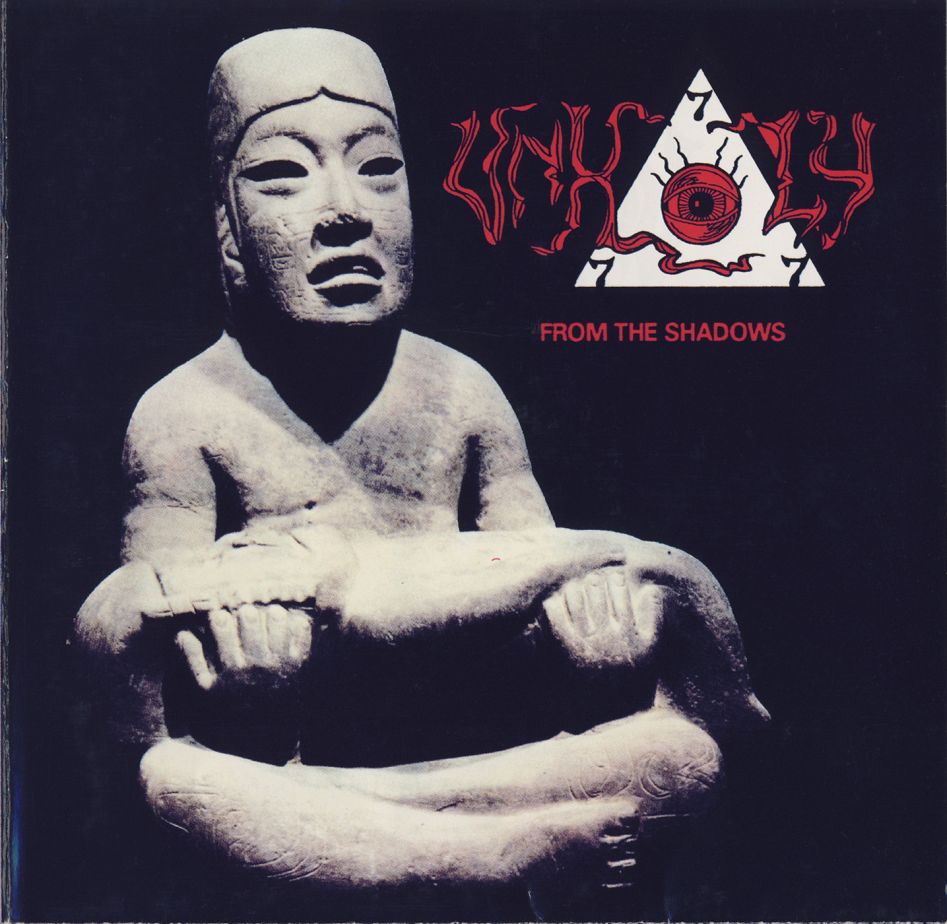
Unholy’s debut is an interesting proposition. Along with diSEMBOWELMENT, this is another early example of death metal taking on a purer doom expression, perhaps more so here as the tempo feels like it rarely rises above 100bpm. There is a cloying, almost spiritual darkness pervading the album. Dread emanates not as some alien threat but as part of the furniture. The evil is lived in, accepted, normalised. One can hear funeral doom waiting to born within the crevices. But there are still enough death metal holdouts to connect this material with the rampant activity in death metal across Northern Europe. The Obituary-esque vocals also go some way to filling in the blanks between riffs, fighting the music as opposed to sitting back into it in the manner Skepticism adopted.
Utumno: Across the Horizon (Sweden, 1993)
Category: Useful Footnote
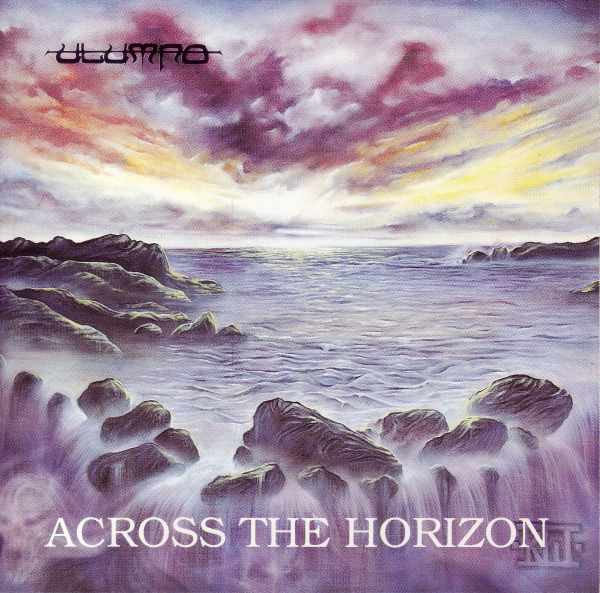
At the slightly more technical end of Sunlight Studio alumni, this short lived act achieved only a couple of EPs before throwing in the towel. But what they offered on this, the second of these, is something of a bridge between the chaotic melodic inflections of At the Gates and Uncanny and a more hardcore derived rhythm section. Whilst hardly reaching Morpheus Descends levels of percussive fuckery, there is a degree of physicality to the rhythms set to a still distinctively Swedish melodic character that makes this EP quite literally a useful footnote to the more dominant characters in this list.
In Flames: Lunar Strain (Sweden, 1994)
Category: Further Reading
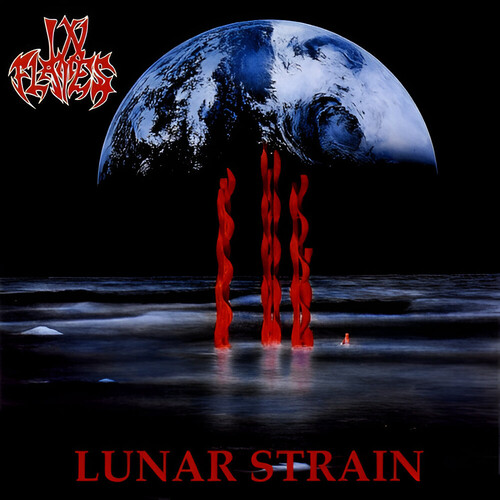
I remember when ‘Come Clarity’ came out, I remember cos it was literally everywhere. At the time I was an edgelordy adolescent acquainting myself with Ildjarn and Blasphemy and wanted literally nothing to do with whatever these Swedes were shoving out onto Kerrang! TV. It took many years to look back through the long arc these guys took from Gothenburg and just spend time with their celebrated debut. Whilst hardly groundbreaking, there’s some truth to the common sense take that this is simply a tighter version of ‘Skydancer’. But the two albums have their own distinct character. In Flames are more direct, their folk influences slightly more obvious than Dark Tranquillity. But (and much like Katatonia) the underlying process is one of regression, supplementing one dimensional brutality with older heavy metal influences. The results, when compared to ‘North From Here’ or even ‘A Velvet Creation’, whilst curious, hold little depth.
Gorement: The Ending Quest (Sweden, 1994)
Category: Core Text
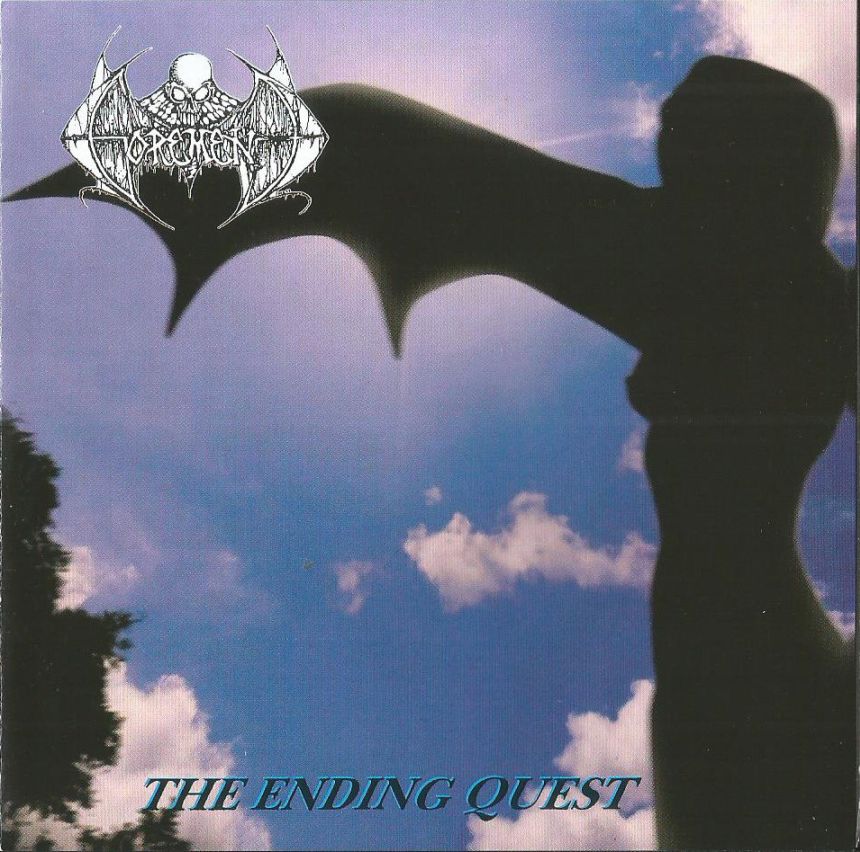
Formed in 1989 in a goregrind mould before gradually evolving to a slower, doom influenced style, culminating in ‘The Ending Quest’ in 1994, which landed at just the wrong time to make any impact, leaving members to depart death metal entirely to pursue other…projects. Whilst this bears a lot of similarities to ‘The Karelian Isthmus’, Gorement work in elements of Candlemass alongside some more direct Bolt Thrower derived assaults. The crunchy tone and downtuned guitars (something not a lot of bands did at the time) lends body to the riffs alongside the more cerebral lead guitars. But describing these components is akin to listing the colour palette of the Sistine Chapel. For the longest time, this was one of the best kept secrets in death metal. But the internet brings light to the undeserving and deserving alike. It has recently undergone a wealth of reappraisal and veneration amongst younger fans. It may be a little too neat to say that this marks the end of an era given its limited impact upon its release, but there is a sense in which it summarises all the best elements of Nordic death metal to date, treating us to one last fanfare before the dominance of melodic death metal and its offspring in deathcore would once again refashion the genre into a new, more commercially oriented image.
Esoteric: Epistemological Despondency (UK, 1994)
Category: Further Reading
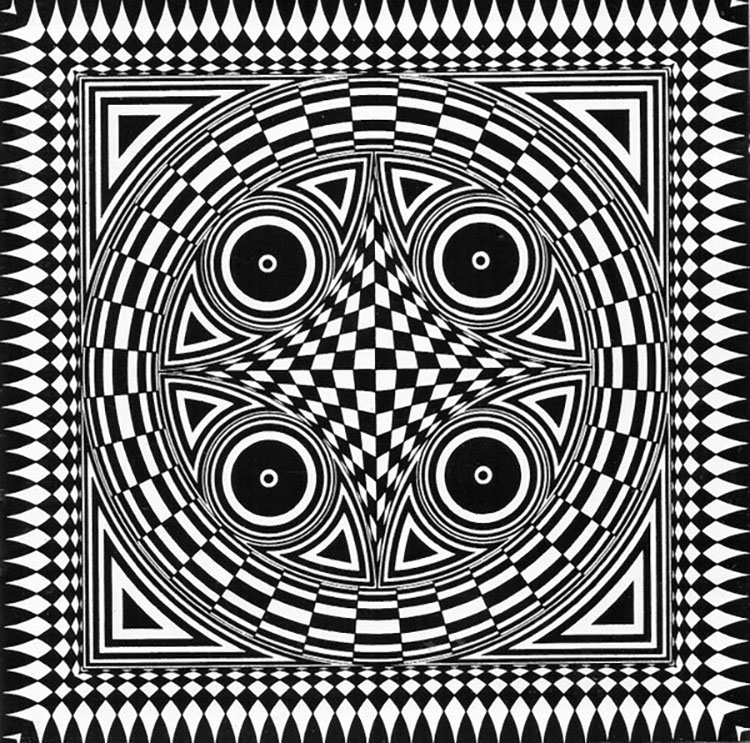
I was in two minds whether to include these guys. But this album is an important milestone. Metal’s golden goose in the good city of Birmingham had yet one more egg to lay in form of Esoteric, who could be read as a symbolic if not literal representation of the moment a portion of death metal amputated itself, soon to be joined by an equivalent limb from black metal to create funeral doom. But here we see an early, pre ‘Stormcrowfleet’ draft, more obviously derived from death metal, but just as indebted to dark ambient, noise, and modern jazz. So whilst not in the strictest sense a death metal album, it remains important for understanding the great bifurcation that took place between 1993 and 94, a moment that would further solidify as bands at the slower end began to define themselves on either side of a new divide that just didn’t exist a mere year previous: death metal bands with doom influences, and doom metal bands (if they exist at all) with death metal riffs.
Cryptopsy: Blasphemy Made Flesh (Canada, 1994)
Category: Core Text
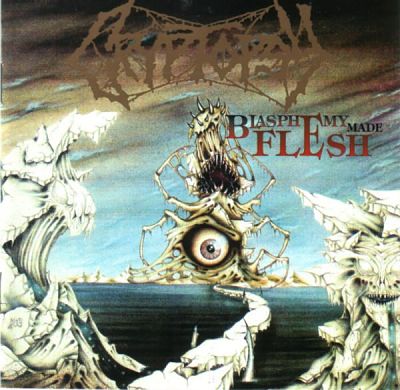
What to say about this album that hasn’t already been said? I challenged myself to discuss it without mentioning Gorguts or Suffocation and decided it was impossible. But for fans of the, by then, burgeoning style of brutal, technical death metal, Cryptopsy offered a degree of lawlessness and character over and above the frenetic and frankly surplus activity of the music. Where technical pioneers, for all their virtues, sometimes came across as a little too in control of events owing to the clear command they had over their instruments, Cryptopsy’s music, at least on their first two albums, always seemed to be running away from them. Like early Gorgoroth, the music seems to be channelled through them with little conscious choice on the part of the individuals. A passion and willingness to let the material dictate muscle motion that is all too rare in most death metal.
Mangled Torsos: Drawings of the Dead (Germany, 1994)
Category: Useful Footnote
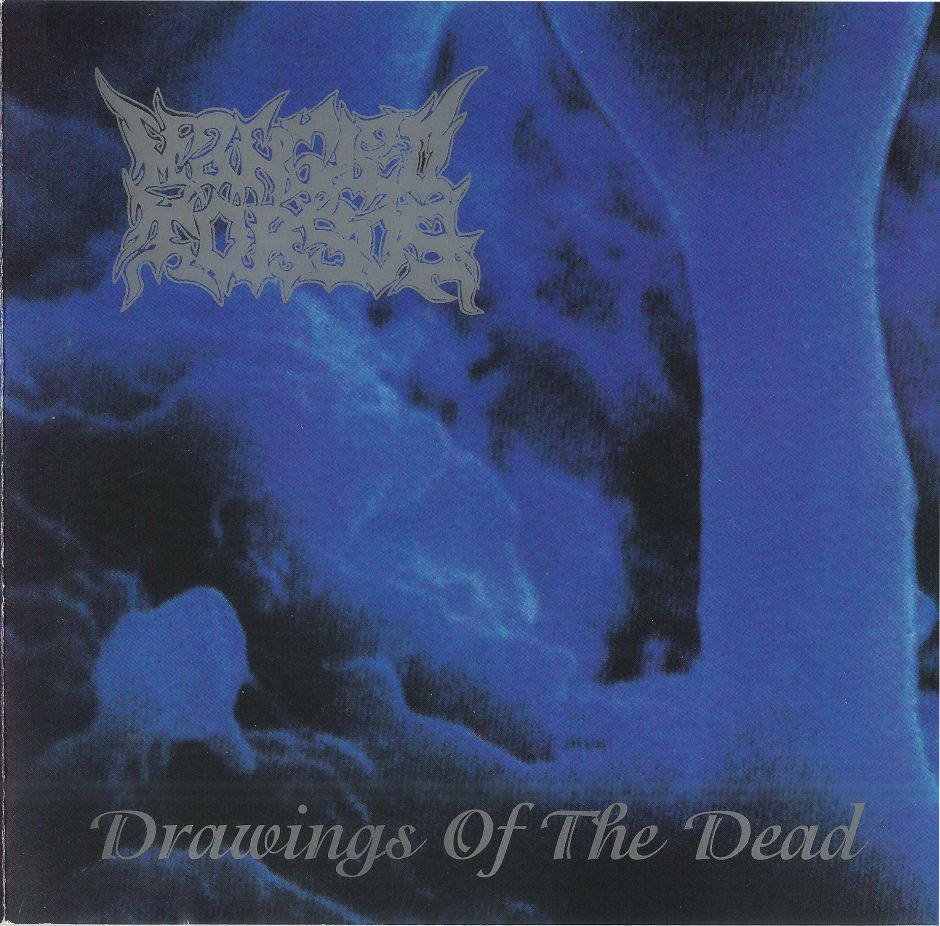
This album is a good demonstration of just how far death metal had spread itself by this point. There are elements from its many flowering branches expressed across this material. But somehow Mangled Torsos manage to keep it all together. Yes, there is a good helping of the blunt brutality implied by their name. But they also reach into dark romanticism, refined melodies, prog interjections, and a good helping of eccentricity along the way. The perfect temperature taking album to understand where death metal was in 1994, but also structurally creative in its own right, this is an example of genre alchemy done right.
Uncanny: Splenium for Nyktophobia (Sweden, 1994)
Category: Further Reading
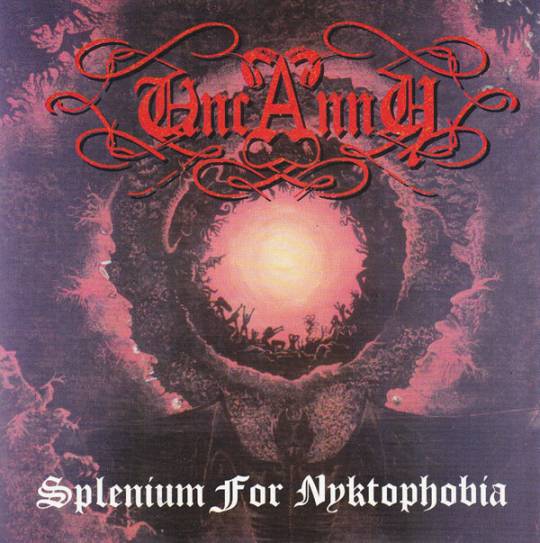
In this, yet another one hit wonder, we see a glimpse of the follow up to ‘Terminal Spirit Disease’ that could have been. Uncanny retain the meandering complexity of early At the Gates’s melodic signature, but streamline this with the irresistible momentum of early Entombed and Dismember, thus providing a useful bridge between first wave Swedish death metal and its later melodic offshoot. Although this album fails to dazzle to the extent of its better known contemporaries, it remains more rhythmically diverse and assertive than the former, yet more earthy and muscular than the latter.
Death metal and the roads less travelled | Part I – The Awakening, 1986-1991
Death metal and the roads less travelled | Part II – Spiritually Uncontrolled Art, 1992
Death metal and the roads less travelled | Part IV – Deathcult for Eternity: The Triumph, 1995-2001


Leave a Reply