A hundred death metal albums not from the USA
This is essentially a housekeeping exercise I decided to inflict on other eyeballs. A broad sweep through death metal’s classical era in a hundred albums, from 1985 to 2000. If anything, the choice to exclude the US from this list is a sign of respect. It has always been the nation of death metal. It can make a strong claim for inventing the genre, perfecting it, and pushing it to its very limits. In any “best of” list, the US will more than likely make up over 50% of the entries. Straight up excluding them from this exercise paints a slightly different picture. A genre that, by the late 90s was briefly engaging in a conversation with the avant-garde alongside the more well documented story of the genre’s decline into irrelevance.
My intention was to prove a thesis, one that the USA’s outsized influence can sometimes unintentionally obstruct. Namely that death metal, from its inception, was a very leftfield move for metal as a whole. Aside from the extremity, this was metal discovering capital W weird, and was baked into its DNA from its inception. And this Weird gene reached its evolutionary peak by the late 90s. The story of gradual decline into commercialism and irrelevance is only true if one understands death metal as a predominantly US affair (and arguably its other mega hub in Sweden). Going beyond these borders allows us to look afresh at the genre’s classical era from 1990 to 1993, and to reappraise the latter half of the 90s, revealing a genre still bubbling with experimental potential. Something that the US no doubt contributed to, but this was a project primarily championed by new hubs in South America and Eastern Europe.
This is not a comprehensive history or a list of undiscovered gems and obscurities (mostly). But for the household names I’ve at least tried to go with a less obvious pick. Some EPs fill in where a suitable album is not forthcoming.
I’ve broken this into four parts to avoid straining credulity. Part one will cover the foundations from 1986-91. 1992, as, quite frankly the year for death metal, gets its own part. Then we move into 1993-94 and the bubbling up of some truly strange notions as death metal began to break down musical conventions wholesale and spread its geographical wings. Part four takes in the latter half of the 90s into the 2000s, one of the most overlooked periods for death metal, revealing a genre reaching for the avant-garde even as its conventions began to ossify.
Lastly, a brief word on the categories, “core text”, “further reading”, and “notable footnote”. These are just a useful contextual shorthand and should not be considered as ranks or marks of quality.
Part I – The Awakening
Europe and South America gave the world black metal, the USA gave it death metal. A simplistic framing certainly. But as the 90s rolled around and the ethos behind these labels began to crystalise beyond media hyperbole, there was a clear divergence between American bands gravitating toward Possessed and Slayer and European bands gravitating toward Venom and Bathory. Hellhammer/Celtic Frost, despite being later claimed by black metal, arguably straddled the divide, with their fingerprints all over Mantas and Obituary as much as Darkthrone and Samael.
Europe, as the melting pot of early black metal (let’s not forgot the importance of early Destruction and Sodom in the genre’s formation), was late to death metal, late enough in fact that the genre had already crossed the Rubicon of self-awareness by the time many European bands got going. As a result they were tasked with finding a niche within an already populated ecosystem. It’s not unfair to say that early efforts from Europe range from mimicry of Autopsy, Death, Morbid Angel etc. spiced with Venom and earlier heavy metal influences, to seismic eruptions of the bizarre, as if the very roots of metal were renewing themselves from cryptic underground wells of experimentation. A story dominated at the time by Sweden and Finland. That is, with the exception of one unignorably early intervention from Brazil.
Sepultura: Morbid Visions (Brazil, 1986)
Category: Core Text
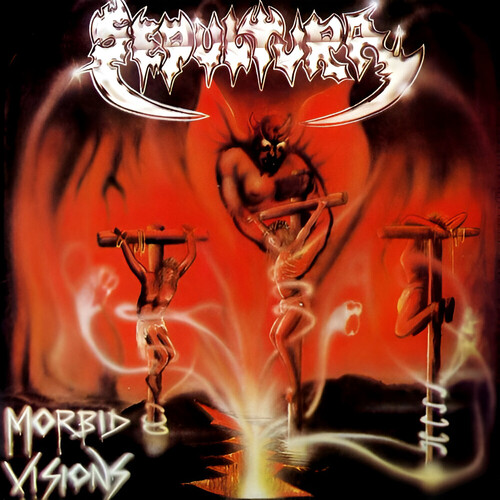
The album that should not be, and every bit as worthy of the “first” status usually heaped on Death or Possessed. Dismissed by charlatans for being too amateurish and impenetrable, the spirit it embodies exceeds anything from the era, bridging death metal in its germinal state (the sloppy gestures of Hellhammer and Venom) with the flowering of the genre as a fully scripted artform. This was underground metal graduating into longform prose. ‘War’ and ‘Crucifixion’ the two monoliths sitting at the heart of the album represent Sepultura’s desire to elaborate on their influences, thrusting themselves forward with an ambition only mildly tempered by the limited means and ability available to them at the time. A legacy undergoing some rehabilitation following the Calavera brothers’ re-recording in 2023.
Pestilence: Mallevs Maleficarvm (Netherlands, 1988)
Category: Core Text
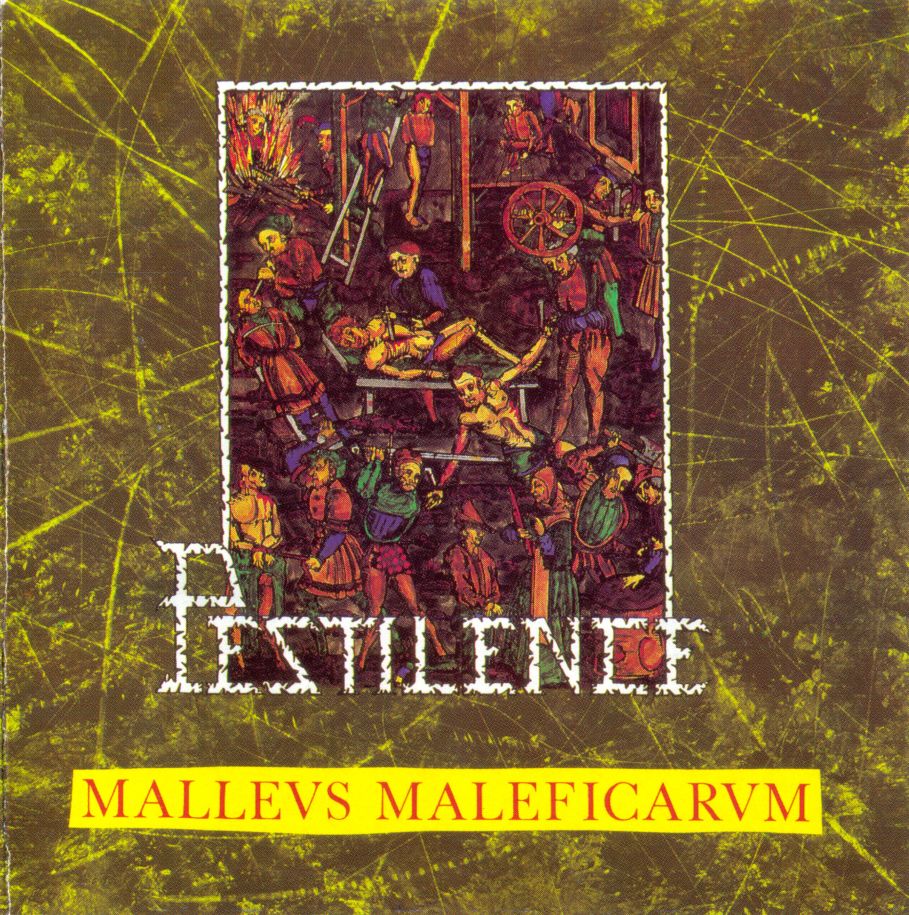
In many ways Europe’s answer to Death, Pestilence were both early innovators and ambitious shapeshifters, achievements that can never be soured by Mameli’s recent AI pilled antics. 1989’s ‘Consuming Impulse’ competes with ‘Altars of Madness’ for the sheer density of its brilliance. The Scott Burns produced ‘Testimony of the Ancients’ expands out across the cosmos of musical freedom at the genre’s peak in 1991, and despite 1993’s ‘Spheres’ being a bridge too far into prog excess for many, it remains a unique and daring gauntlet within the annals of weird metal. But it’s 1988’s ‘Mallevs Maleficarvm’ that sets all this in motion. Despite the latent thrash gene making its presence felt – Slayer riffs abound – it remains a vicious and remarkably sophisticated statement of early death metal, well ahead of the pack even if we ignore its considerable vintage.
Morgoth: Resurrection Absurd (Germany, 1989)
Category: Further Reading
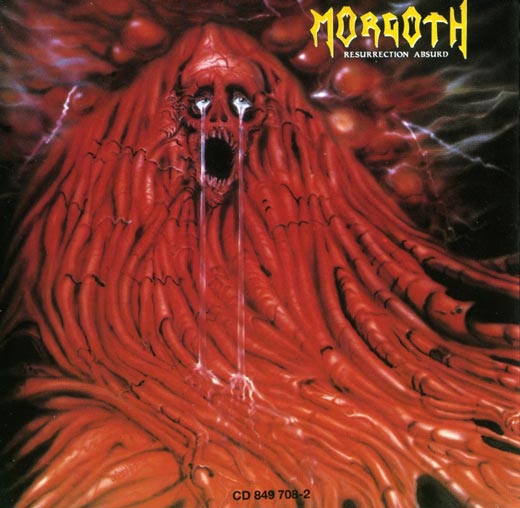
If ever a band squandered its head start it would be Morgoth. Early to the game, but by the time they cobbled together a debut, 1991’s ‘Cursed’, things were already in motion in Finland and Sweden, and Morgoth’s once vital energy gave way to blatant Death worship and a lackadaisical drop in tempo. But we get a glimpse of why this band belong in the canon on this EP. The nods to Death were obvious even at this point, but there is a visceral, almost horrific demeanour to the way this material is delivered that immediately sets it apart, and furthers the thesis that early death metal was far more steeped in the macabre than the colourful, borderline rosy picture suggested by the 2010s OSDM movement.
Massacra: Final Holocaust (France, 1990)
Category: Further Reading

Massacra are like a dinosaur that grew feathers and just decided to become a bird. What? I mean they’re essentially a thrash band that managed to match the intensity of death metal. ‘Final Holocaust’ may be an edge case that could be argued for either way. But definition is by the by with this album. A combination of hypnotic riff tessellation, exhausting intensity, and infectious enthusiasm make this a perennial favourite, and the perfect sequel to ‘Morbid Visions’. One that I fear gets overlooked in the shadow of Morrisound and Sunlight Studios proselytising.
Merciless: The Awakening (Sweden, 1990)
Category: Core Text
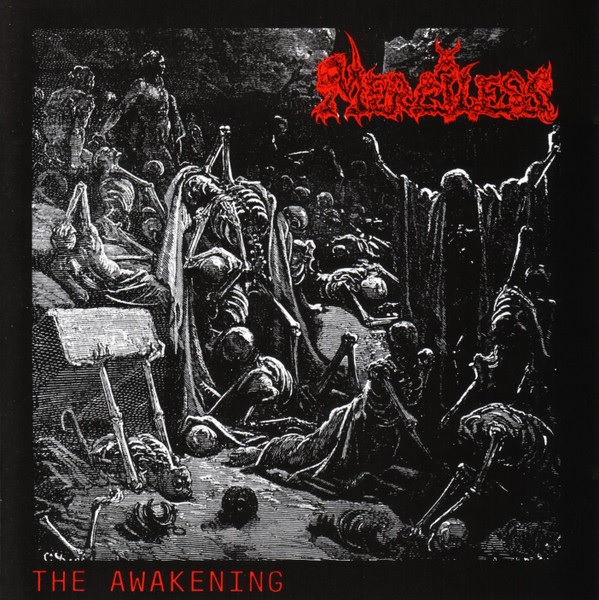
The forgotten classic of Swedish death metal, most obviously because, as the first record put out by Euronymous’s Deathlike Silence label, it tends to slot into the black metal narrative in people’s minds. Similar to Massacra, this is a feathered dinosaur…I mean a slab of thrash adjacent death metal, albeit with a darker demeanour that would later be understood as blackened thrash. It also tends to fall out of the story of Swedish death metal owing to its greater debt to German thrash than crust punk, the Boss HM-2 tone, or any of the flowery melodicism their fellow countrymen would indulge in. Required reading regardless.
Obliveon: From this Day Forward (Canada, 1990)
Category: Notable Footnote
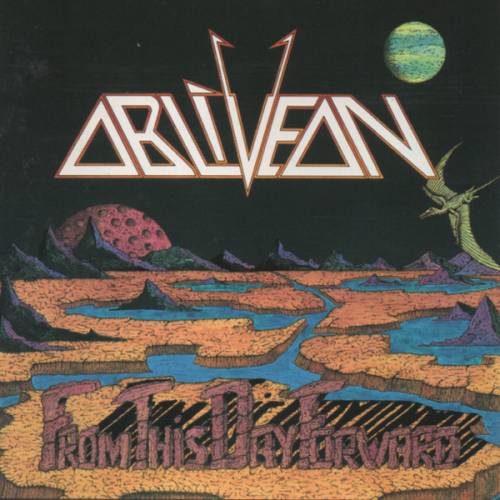
Obliveon, unlike their fellow Canadian cerebral thrashers in DBC or Voivod, took a much more obvious step into death metal turf with this album, arguably producing one of the genre’s earliest inroads into prog. Perhaps overlooked for its geography, or the obvious fact that there is more thrash at work here than something like ‘Piece of Time’. But what awaits is a treat for any scholar intent on peering back into extreme metal’s early inroads into more experimental territory.
Tiamat: Sumerian Cry (Sweden, 1990)
Category: Further Reading
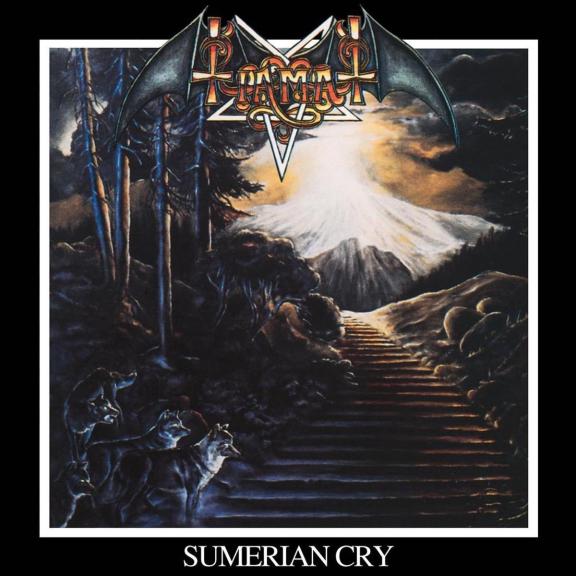
Sweden’s Paradise Lost made a much better go at death metal on their debut before evolving out of the genre. And for all the album’s faults, in the context of Swedish death metal it offers a wider perspective on where death metal could go than the juiced up thrash of ‘The Awakening’ released earlier that same year. Death metal could be atmospheric, gloomy, moody, something that would permeate the Scandinavian style for years to come. This was also an early outing for Tomas Skogsberg at Sunlight Studios, the “Scott Burns of Sweden” responsible for *that* ‘Left Hand Path’ or ‘Like an Ever Flowing Stream’ sound. None of which you will find in the creepy morass of Tiamat’s debut, a sign of versatility as much as an artisan finding their feet.
Carnage: Dark Recollections (Sweden, 1990)
Category: Core Text
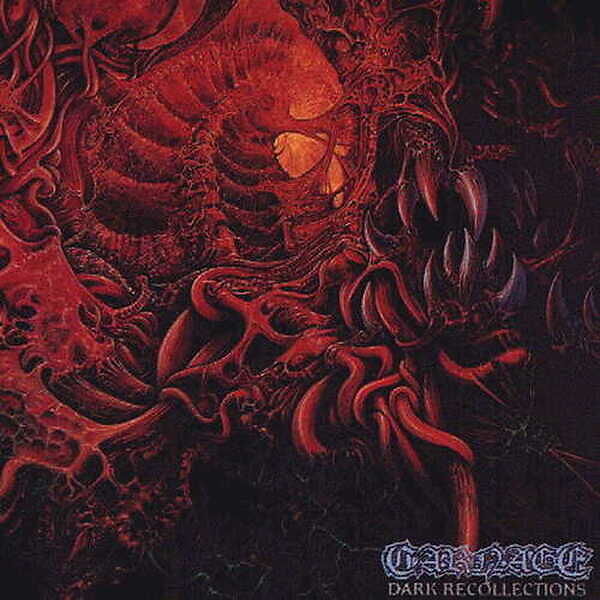
The thinking man’s ‘Left Hand Path’, as a foundational document in Swedish lore this one-hit-wonder left a lasting impression on death metal. Following a brief hiatus from Dismember, the members joined forces with Carnage to create ‘Dark Recollections’, with some early Dismember tracks winding up here. Aside from the buzzsaw tone, Swedish bands were notable for keeping any thrash influence at a healthy distance, choosing instead to drink deep from the well of d-beat punk and heavy metal melodicism. Carnage’s interpretation was far gloomier than their peers however, replacing the genre’s older DNA with a chasmic, almost relentless darkness that easily competed with the Finns to the East. After losing Michael Amott to Carcass (who would later go on to form one Arch Enemy), the remaining members decided to reform under the Dismember name, consigning ‘Dark Recollections’ just beyond the reach of what counts for mainstream acclaim in extreme metal.
Abhorrence: Abhorrence (Finland, 1991)
Category: Further Reading
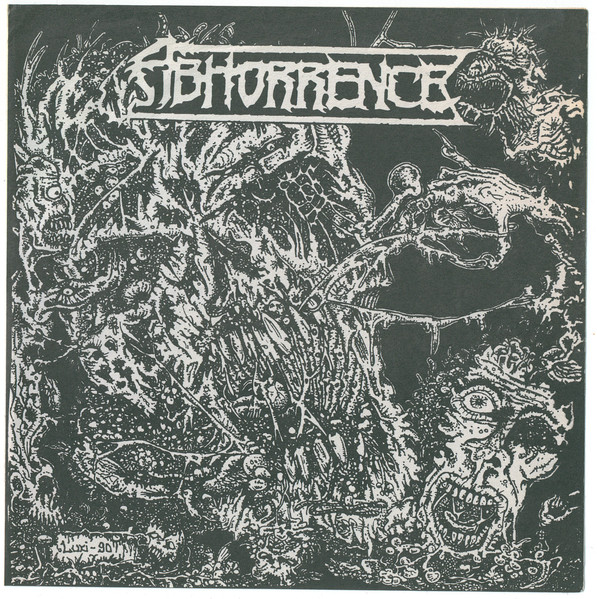
It would be the Finns that would realise the gloomy, brooding potential behind this genre. And this EP arguably laid its foundation. Even at its slowest the tempo is kept purposeful, relying on droning riffs and jarring, repetitive lead refrains that mimic the calls of animal in distress, the totality unfurls like a horror film with none of the flowery instrumentation to compensate. A grating, unrelentingly bleak experience whose DNA would run through much Finnish death metal – and indeed black metal – to follow.
Benediction: The Grand Leveller (UK, 1991)
Category: Further Reading
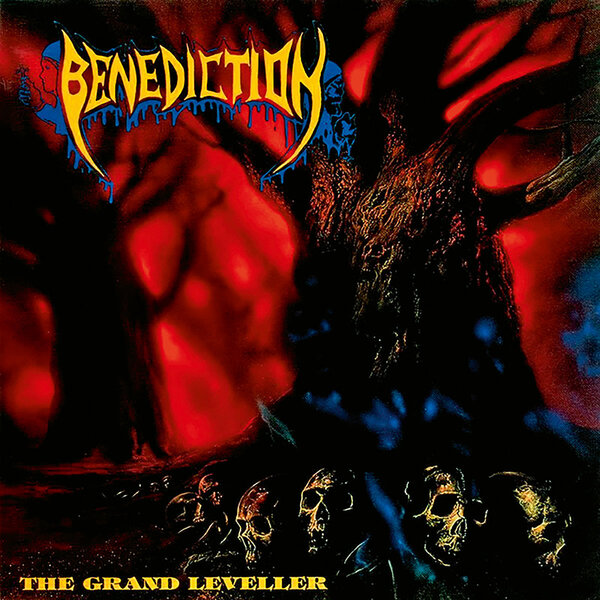
The UK has an outsized reputation in extreme metal, largely for the contribution of a few pivotal albums from Napalm Death, Bolt Thrower, Godflesh, Carcass and so on. The drop in quality when you leave these rich pastures is stark. Telford’s Cancer conjuring some of the most irredeemably flat material to carry the legendary Scott Burns producer credit. Benediction are a close runner up here. 1993’s ‘Transcend the Rubicon’ was meant to be their tentpole release, but even Dan Seagrave’s iconic artwork couldn’t disguise material that was outclassed by a scene running away from them. For a brief moment prior to this however (and following the departure of one Barney Greenway), we get a glimpse of something that looks like a creepy companion piece to early Obituary, upping the measure of horror spicing along with the obligatory helping hand from Celtic Frost, offering us an interesting if tantalisingly brief vision of just what UKDM could have been.
Bolt Thrower: War Master (UK, 1991)
Category: Core Text
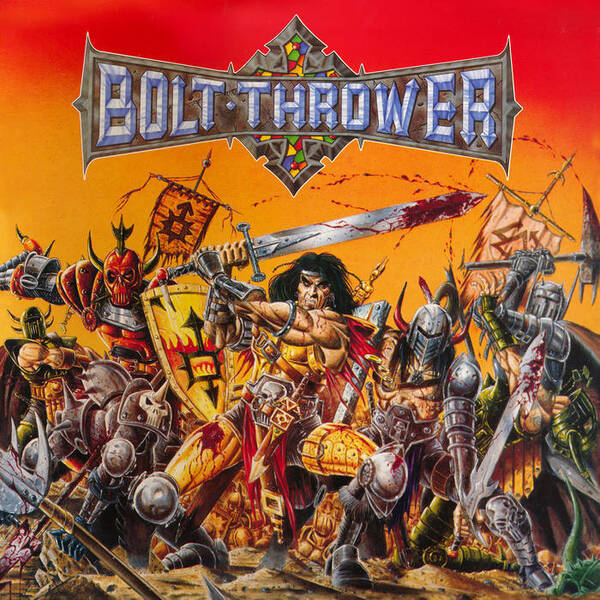
Typical for the UK in their atypicality, Bolt Thrower are not a normal death metal band. Largely remembered for a plodding, mid-paced swagger that permeated their sound from ‘The IVth Crusade’ onwards, their earliest roots owed as much to crust and hardcore punk as it did to Slayer. When I was young ‘War Master’ was considered the ur-Bolt Thrower effort, but sandwiched between their two great eras, I get the feeling it is becoming overlooked. Arguably this is Bolt Thrower at their most generically death metal. But this in itself makes it a tantalising rarity. A weighty slab of muscular, brooding, creative death metal that draws power from the most basic formations. Aided and abetted by Colin Richardon’s visceral, mechanistic production which easily competes (and often outclasses) the more celebrated efforts from Scott Burns.
Darkthrone: Soulside Journey (Norway, 1991)
Category: Core Text
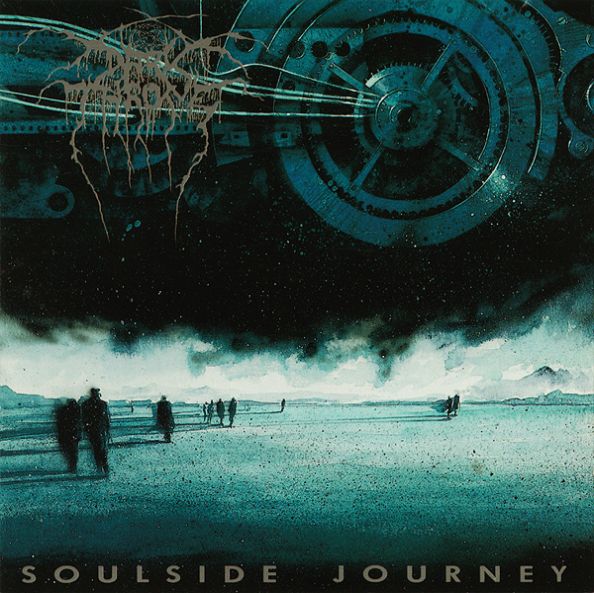
With hindsight, Darkthrone should probably have rebranded under a different name after this album. The weight of the Darkthrone brand, a legacy still being written by the longstanding and prolific duo, continues to attract a heated three dimensional debate to this day. Set ‘Soulside Journey’ free of this noise. It is still very much a part of the Darkthrone tale. But the album deserves to recline into posthumous adulation, one step removed from the hysteria of black metal fans fighting over the remaining scraps left by this monolith of the genre. Reframing ‘Soulside Journey’ as one of the great one-hit-wonders of death metal would allow us to scrutinise one of most unique contributions to the genre’s maturation anew. Their early death metal incarnation was an eerie, hypnotic, otherworldly feast of delights. An album completely at ease with its own idiosyncrasies, unfolding riffs, melodies, and odd rhythmic choices like a great flowering of pulsating organic life.
Dismember: Like an Ever Flowing Stream (Sweden, 1991)
Category: Core Text
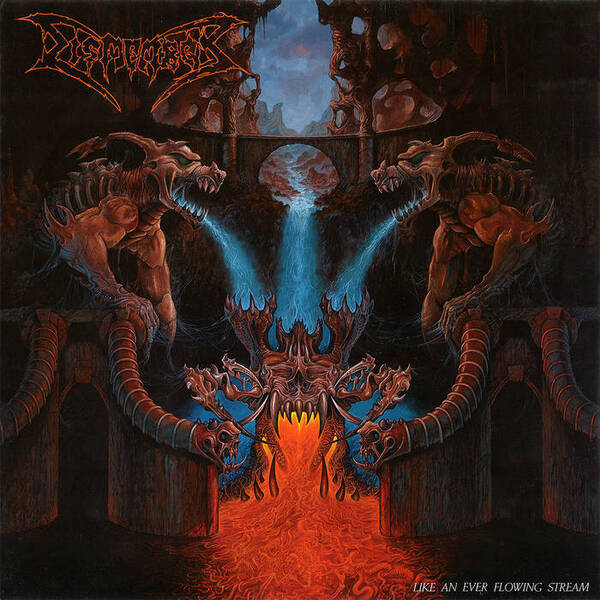
Following the breakdown of Carnage, Dismember reformed, chucked out the brief ‘Reborn in Blasphemy’ demo in 1990 that introduced us to what this new entity was capable of, before releasing one of the defining documents of Swedish, and indeed all, death metal. An album seemingly written with the HM-2 tone in mind, it oscillates between primal violence and sober ruminations on mortality, both impulses doing battle over the entire album, offering some of the genre’s most moving melodies alongside physically demanding barrages of noise.
Convulse: World Without God (Finland, 1991)
Category: Notable Footnote
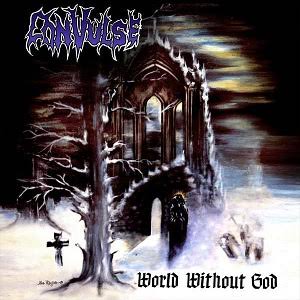
Because Finland had set up shop in death metal’s leftfield by 1991, “normal” was very much awol for this country, but ‘World Without God’ offers a reasonable simulation of what normal Finnish death metal might look like. The glum atmosphere remains, as do the droning chords without fully descending into depressed doomy tempos, and the drab, gothic undertones. There are obvious crossovers with ‘Soulside Journey’ in terms of pacing, off kilter phrasing, notes sustained past a point that feels comfortable, the hypnotically ponderous gait. This exists in stark contrast to the early Bolt Thrower derived blasts that lawlessly charge across the music in sporadic intervals. But despite the consistency and spirit shown on this album, Convulse failed to convincingly mark themselves out in what was an increasingly crowded field by mid-1991.
Edge of Sanity: Nothing but Death Remains (Sweden, 1991)
Category: Further Reading
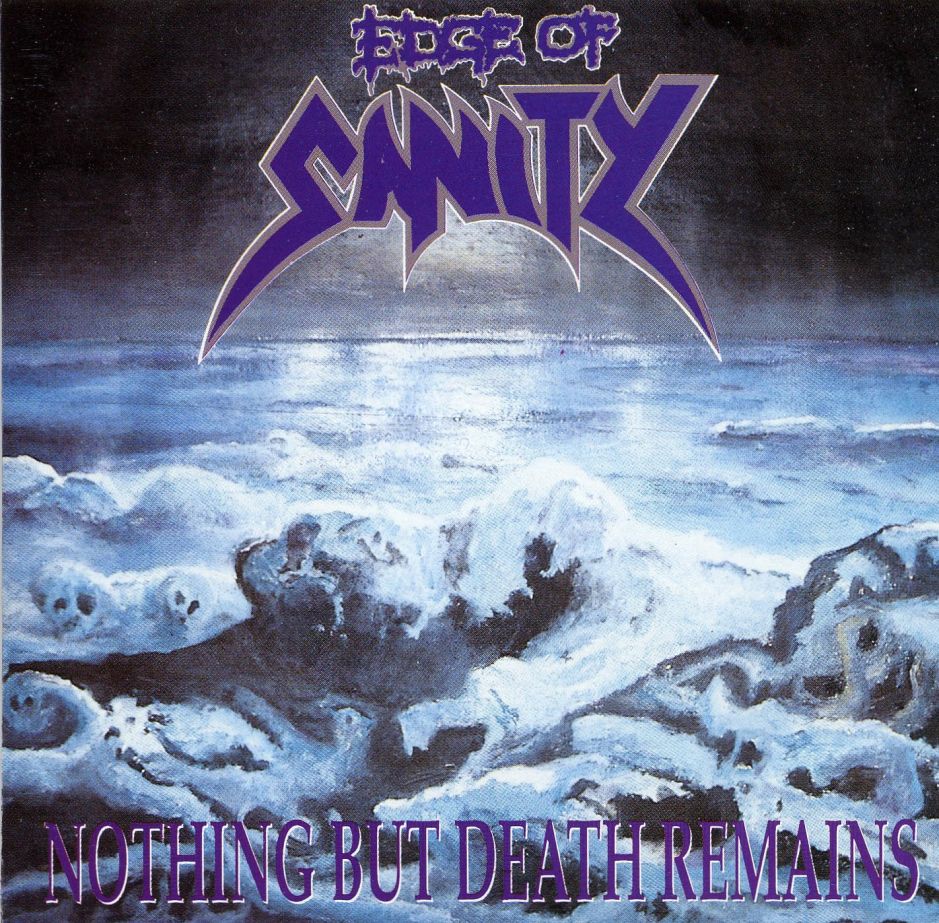
The overlooked Edge of Sanity album, simply because it predates the (so called) progressive direction they would later become known for. But that’s precisely the reason behind giving ‘Nothing but Death Remains’ another look. Like Opeth, Edge of Sanity took a soft touch approach to progressive music, eschewing the pomp, theatre, and indeed wry comedy of prog at its best in favour of a slick, sterile sentimentality. But here we encounter early Scandinavian death metal at its freest and best. Diverse, ambitious, magical in quite a literal sense of the word, something that compensates for any sloppy takes and indeed the rough production that forces the snare to directly compete with the guitars at the centre of the mix.
Entombed: Clandestine (Sweden, 1991)
Category: Core Text
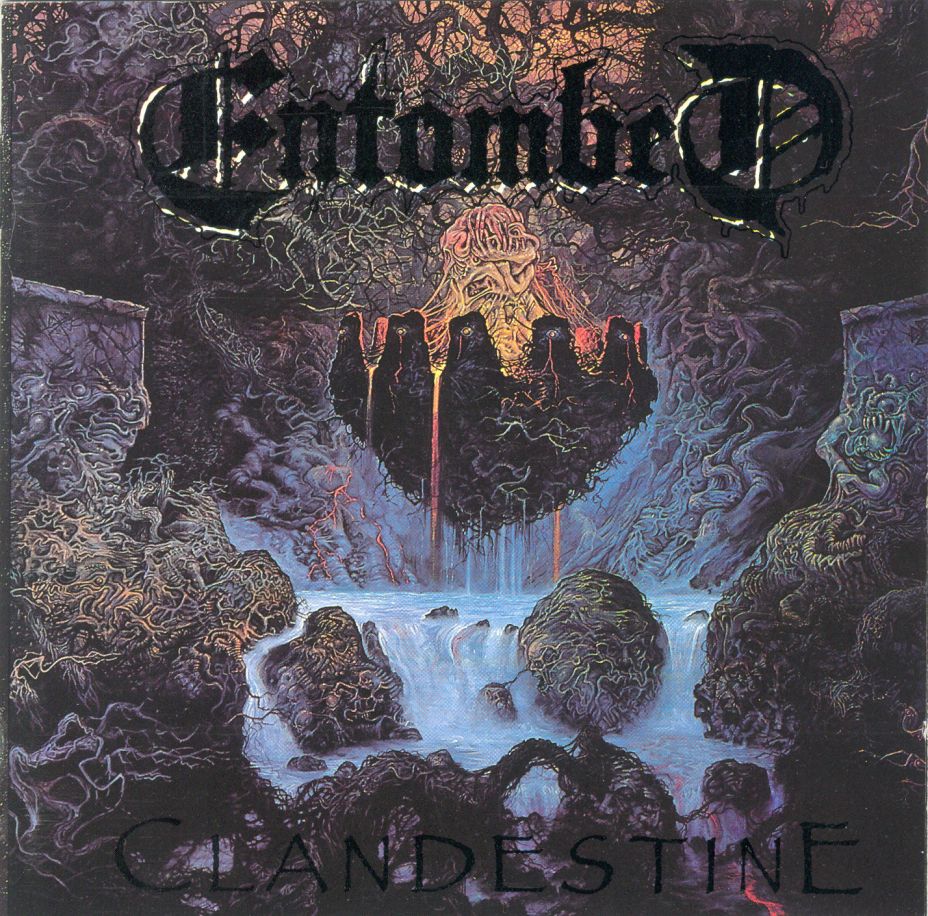
Aside from Death themselves, Entombed are…just the most overrated thing in death metal. But even as the status of these early frontrunners far exceeds any actual achievement, two for two is no mean feat. Whilst ‘Left Hand Path’ receives all the plaudits (and it is a fine album), by this point one gets the feeling people are spotlighting it out of habit. An evangelising that has long since run away from any connection with the actual source material (again, similar to death metal revisionists who limit their study of the early genre to ‘Scream Bloody Gore’). But Entombed really came together on ‘Clandestine’. A more consistent, horrific, varied, and generally compelling statement of ferocious death metal, and – no disrespect to the late L-G Petrov – aided and abetted by an unhinged vocal performance from drummer Nicke Anderson who stepped into the role for this album.
Funebre: Children of Scorn (Finland, 1991)
Category: Notable Footnote
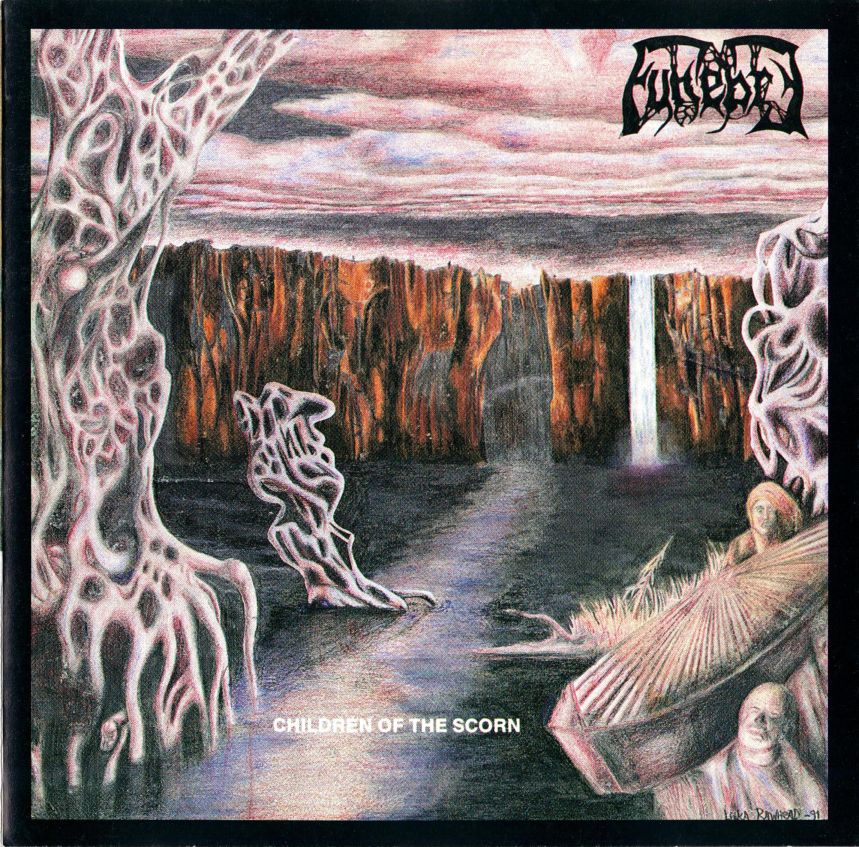
Proving that being the first can sometimes be a detriment, for all its virtues this album lacks the sheer magic of Abhorrence. Finland was still finding its voice at this point, and although Funebre offer glimmers of the haunting otherworldliness their peers would conjure, even for the time this is by the numbers. A strong Entombed influence lingers, as do some obvious Black Sabbath quotations. It remains worthy of study for its solidity spiced with flashes of brilliance, and in some ways anticipates the Amorphis material that would soon follow.
Pungent Stench: Been Caught Buttering (Austria, 1991)
Category: Further Reading
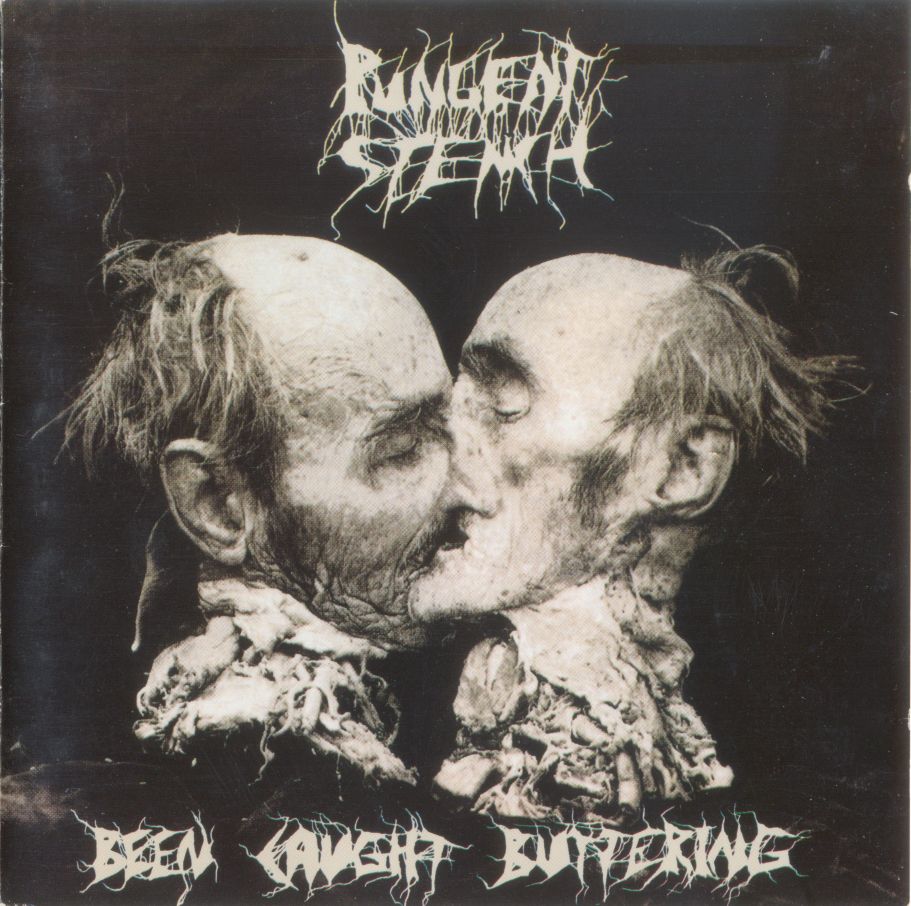
From cover art to lyrics to concept, Pungent Stench seemed to be waiting for meme era. Much like their countrymen Disharmonic Orchestra or Disastrous Murmur, this is a foundational document in the evolution of droll extreme metal, it permeates the music itself as rather basic death metal riffing receives an upgrade from blues, sludge, and of course Black Sabbath at their most weed enhanced. But ‘Been Caught Buttering’ represents more than a novelty entry. Indeed, the dynamic playfulness across this album is a neat counterweight to the growing melancholy exhibited by their cousins in the North, and evidence that diversifying in death metal did not necessarily equate to ambitious musical flair alone.
Sororicide: The Entity (Iceland, 1991)
Category: Notable Footnote
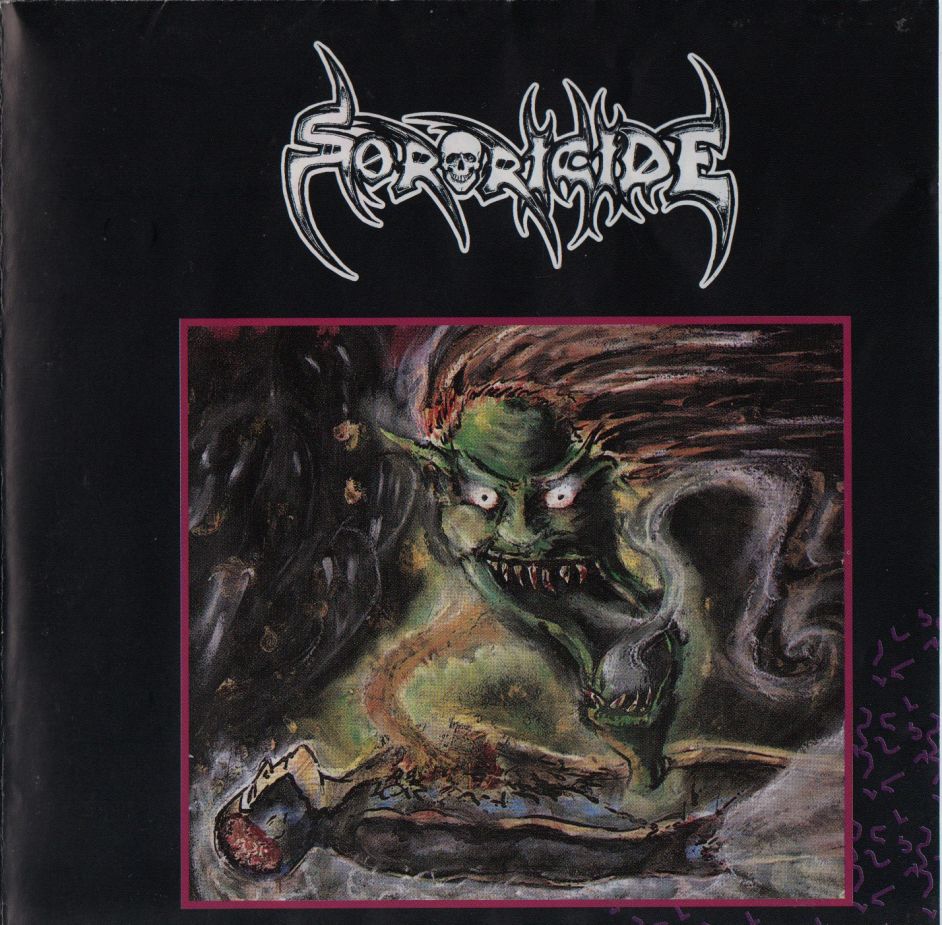
Notable as an elaboration on the imposing death/doom Asphyx had developed on ‘The Rack’ earlier that year. But where Asphyx always came across as stirring and militaristic despite their slower sequences, Sororicide lean into the weird and the eerie by echoing their Finnish peers and to some extent ‘Soulside Journey’. A welcome riposte to any claims that death metal was becoming too bright and clinical by this time, this Icelandic outlier offers a brooding descent into eldritch gloom, made all the more compelling by the characterfully rudimentary mix and a musical audacity that can only come from less technically adept musicians.
Therion: Of Darkness…. (Sweden, 1991)
Category: Core Text
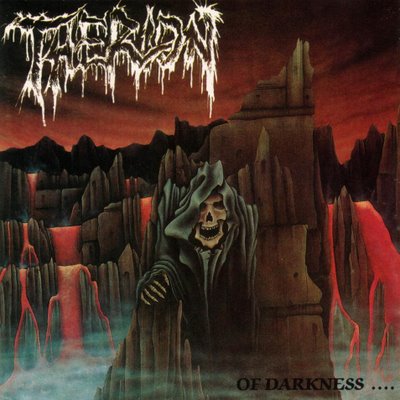
I’ll just say it, the follow up to this in ‘Beyond Sanctorum’ is one of the best death metal albums ever recorded. A fact that has for too long led me to overlook its no thrills predecessor. But even here on Therion’s debut we see a striking example of just how far Swedish death metal extends beyond a handful of HM-2 powered juggernauts, and shows another side to Tomas Skogsberg’s technical ministrations. Where bands like Abhorrence or Tiamat exuded downbeat gloom, Therion brought majesty and opera to the table (in a manner far more compelling than the literal operatics they later became known for). This was death metal with a sense of occasion. An immersive, atmospheric world emanating from a very different place to the sweeping majesty of black metal that burst onto the scene just a few years after this release.
Death metal and the roads less travelled | Part II – Spiritually Uncontrolled Art, 1992
Death metal and the roads less travelled | Part III – Transcendence into the Peripheral, 1993-94
Death metal and the roads less travelled | Part IV – Deathcult for Eternity: The Triumph, 1995-2001


Very interesting post / project, thank you! The statement early on about “ the more well documented story of the genre’s decline into irrelevance” is, of course, provocative. But yes, isn’t it true that anything originating in “the land of king dollar” (Bruce Springsteen) is bound to either remain obscure or be absorbed into the mainstream, thus rendering itself pointless? Next to DM I would include Thrash Metal, New Metal, Grunge and, in fact, Rock’n’Roll in that list.
But, well, show me the thing greed will not corrupt…
Thanks again; greetings from the north,
Jörn
Ystävällisesti tervehtien / Freundlich grüßend
Jörn Severidt +358 50 339 8381
“We are healthy only to the extent that our ideas are humane.” (Kurt Vonnegut)
LikeLike
I anticipate the inevitable highlighting of more classics from the Finnish scene: Slumber of Sullen Eyes, Nespithe, and Psychostasia in particular.
LikeLike
As an old school afficando who struggles to enjoy modern metal, I do love these historical reviews. Lots of great albums featured here. I will.assume Asphyx The Rack, Napalm Death’s Harmony Corruption and Carcass’ Symphonies of Sickness are in part II?
LikeLike