A hundred death metal albums not from the USA
Where were you in 92? Well, I was being shepherded between various preschool childcare arrangements, blissfully unaware of the exploding death metal scene.
Part I took us from the late 80s to 1991, and naturally Sweden dominated when you remove death metal’s other centre of gravity across the pond from the picture. By 1992, we get a more even spread geographically. Given the sheer density of material chucked out in this single year, I decided it needed its own part. After a few years of gestation, death metal had reached its prime by this point. From all corners its flag bearers were throwing out material, culminating into what could well be considered the genre’s finest hour. Just as hordes of newer acts were joining their ranks. And this in turn presented a problem. Creative peaks can also herald the beginning of the end.
Whilst some newcomers did find angles from which to move death metal into new spaces, many were simply capitalising on stolen valour. Something that was very much noted at the time. Surveying contemporary interviews and firsthand accounts reveals a repeated refrain of grumbling at the volume of bands within the scene. Alongside misgivings about where the genre could go even as far back as 1991, many believing the limits of extremity and technicality had well and truly been reached. But none of this changes what happened in 1992. Death metal soared onto the global stage, found its way onto the lips of mainstream media (usually through a predictable moral panic), and metal at large (and indeed rock in general) has never quite been the same since.
Cemetary: An Evil Shade of Grey (Sweden, 1992)
Category: Further Reading
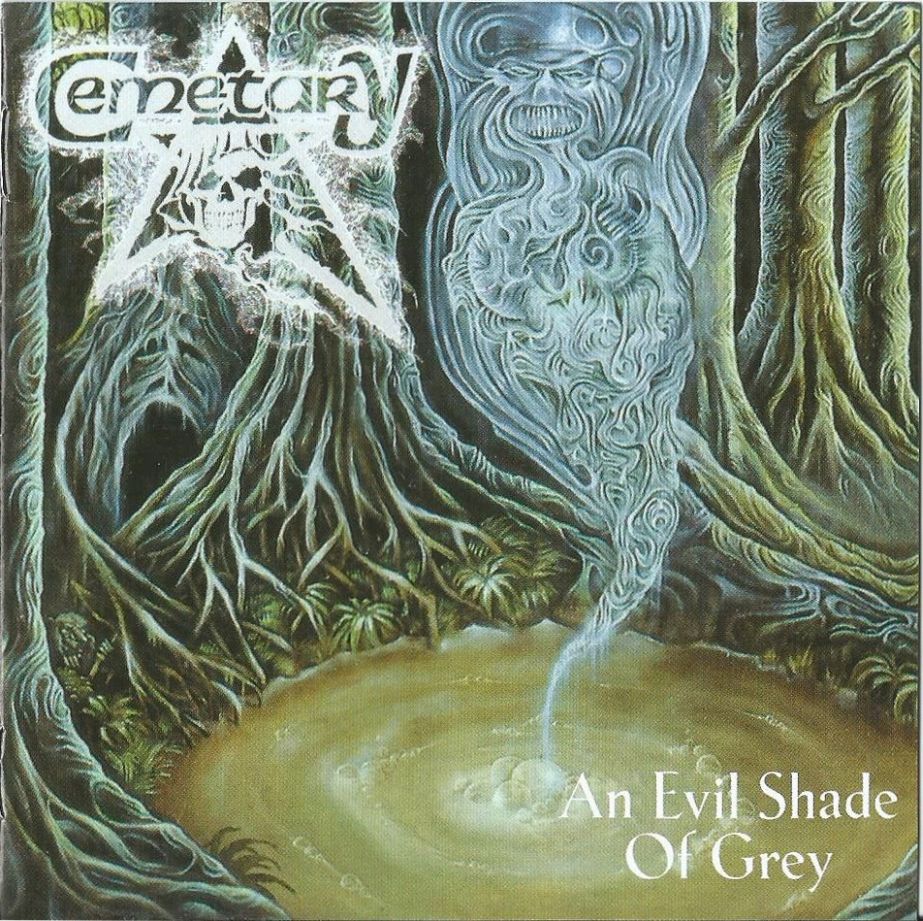
Producer Tomas Skogsberg had really hit his stride by 1992, his identity firmly stamped onto Northern European metal of this time, helping to fashion its regional identity. Cemetary’s debut is a quintessential example of this. Over and above the distinctively Swedish character of this album, it is a thoroughly unique experience. Its most obvious companion being Amorphis’s debut. But here we see a denser prospect, replete with creepy gothic undertones, aided and abetted by liberal use of keyboards to underscore the unapologetically thrilly material. Dark, brooding, and not afraid of a little finery adding a dash of colour to the otherwise bludgeoning violence.
Cenotaph: The Gloomy Reflections of our Hidden Sorrows (Mexico, 1992)
Category: Core Text
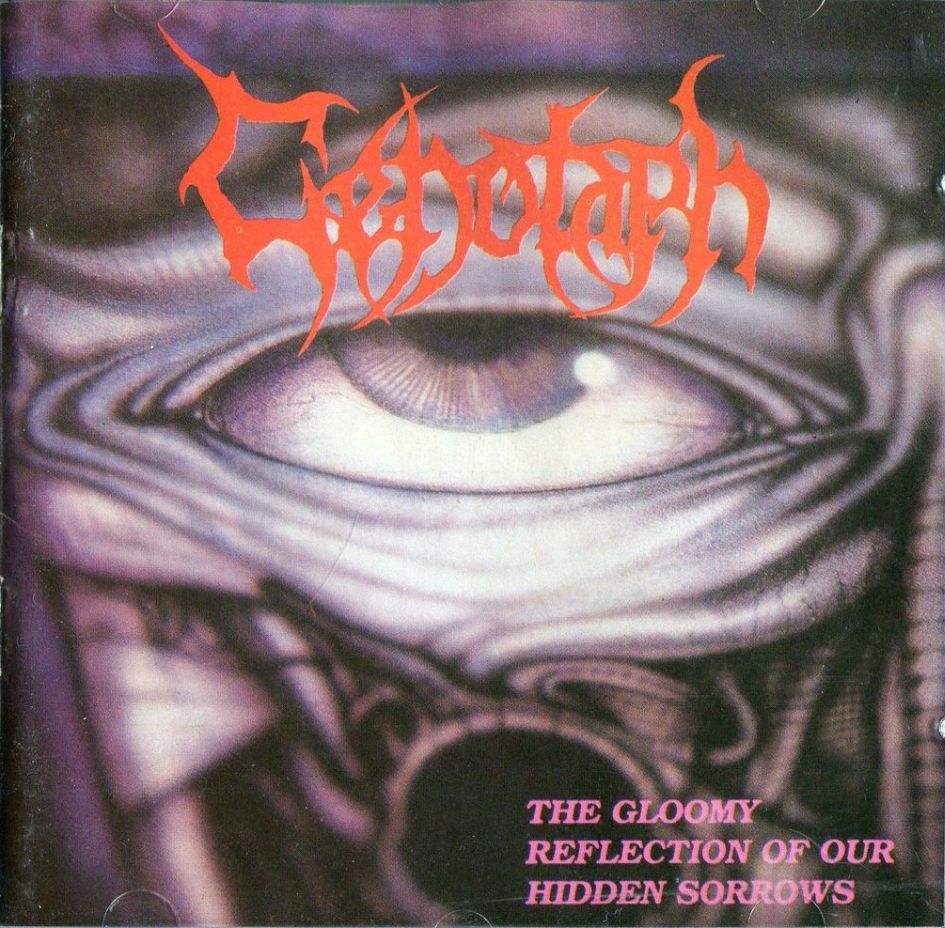
Another album that probably should be considered as a one hit wonder given that half the lineup departed after this release, including vocalist/bassist Daniel Corchado who would go on to form The Chasm (more on that later), seeing Cenotaph themselves move toward a more melodic direction. But on this debut we see a brilliant, swirling miasma of haunting death metal. Mexican death metal is an eclectic beast, but it always exudes a suffocating, cloying atmosphere all its own. It bears comparison to its Nordic counterparts, the ponderous gait mirrors ‘Soulside Journey’, the atmosphere every bit as brooding and eerie as Finland’s offerings. But the result is a far more sprawling horror, closer to Seattle’s Infester for the sheer trial it puts its listeners through. An unwieldy, lurching descent into nightmares that more than lives up to its unforgettable title.
Liers in Wait: Spiritually Uncontrolled Art (Sweden, 1992)
Category: Useful Footnote
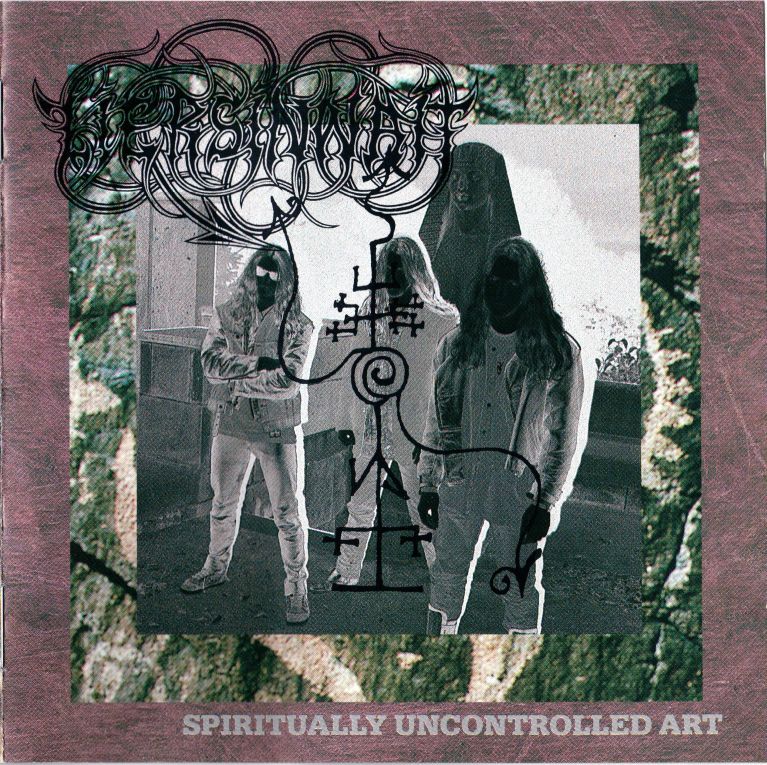
Named after a lyric from Morbid Angel’s ‘Abominations’, this Swedish entity committed only one EP to posterity before throwing in the towel. And true to their biggest influence, Morbid Angel is all over this material, but melted together with the oddball grandeur of Therion and Carbonized, this is ‘Altars of Madness’ reoriented in a specifically Swedish way. Denser, slightly less coherent, but creates space for oddly regal melodic inflections despite the density and brevity of the material, whilst the constant churn and anomic pacing in some ways anticipates the more chaotic philosophy of Angelcorpse.
Purtenance: Member of Immortal Damnation (Finland, 1992)
Category: Further Reading
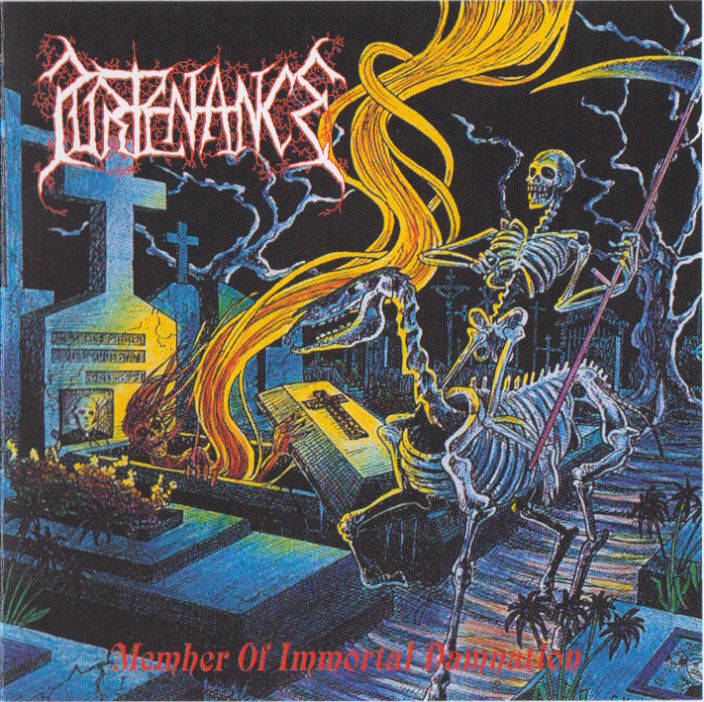
92 was the year Finnish death metal firmly threw its hat in the ring. Typifying although perhaps not exemplifying the style comes Purtenance’s debut. All the components are there. Meaty Bolt Thrower derived riffing at both the slow and the chaotically blasting end. Seasoned with a glum, defeatist melodic language adopting the contours of horror, in that it feels both familiar yet uncanny. The fact that it connects a generalised death metal language with a specifically Finnish Weird and Eerie means that there is a strong case to be made for this album being the go-to primer one should recommend to any newcomer before directing them toward Demigod or Demilich.
Miasma: Changes (Austria, 1992)
Category: Useful Footnote
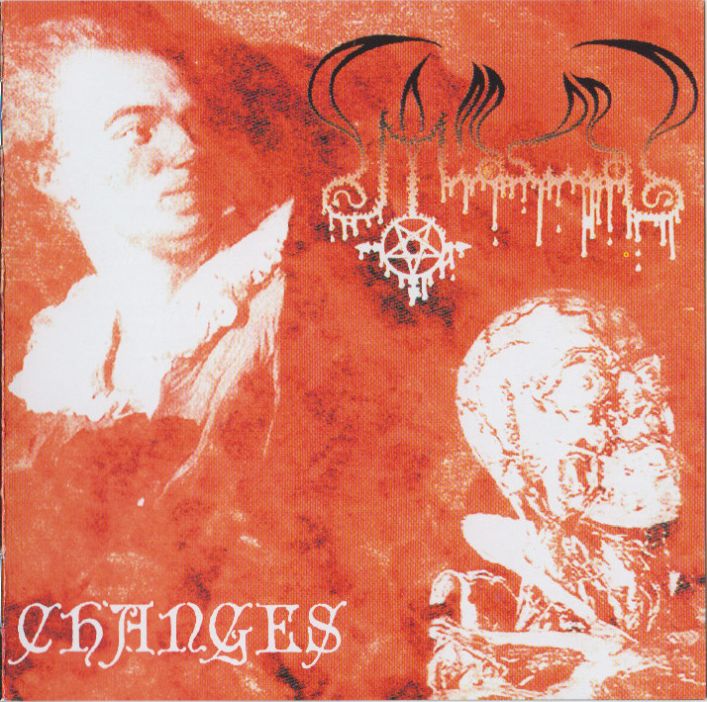
As alluded to in part one, what Austria lacked in big names or identifiable style, it made up for in some oddball interjections. Miasma’s one and only album may be the most typical of these, but it still packs a significant punch of eccentricity. Prima facie, this is primitive, longform deathgrind. A series of simple vignettes strung together in barely coherent patchworks. But on repeated listens an underlying charm reveals itself. Whilst this lacks any intentionality or premeditation in comparison to the well oiled machines of Miasma’s peer group, it’s stuffed with playful riffs and leftfield choices that, in context, add a dash of clarity to an otherwise blunt object. Beyond that, an undeniable enthusiasm behind the performances on the level of Deicide more than gets this album over the line. For a brief moment in the early 90s, these guys really meant it, and it shows.
Sadism: Tribulated Bells (Chile, 1992)
Category: Further Reading
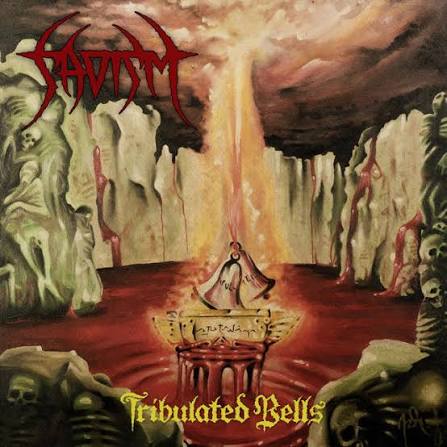
Along with Torturer and Pentagram, Sadism were one of the first in Chile to take the leap from thrash and heavy metal into extreme territory, and offered perhaps the most convincing statement of death metal in the region at this time with ‘Tribulated Bells’. There’s a lot of Tampa worship going on, a concoction of Obituary and Morbid Angel knitted together with thrash riffs. Despite this obvious emulation, listening to this material reveals an artist with a profound interest in the deeper philosophy of the riff. The six minute opening instrumental is indicative of a set of musicians with an almost obsessive need to explore riffs as a relational exercise, how their context and orientation toward one another changes our perception of them. In part, this is true of all metal and particularly death metal, but for those looking to unpack this without the arguably flashy regalia of more well known albums, ‘Tribulated Bells’ comes highly recommended.
Thanatos: Realm of Ecstacy (Netherlands, 1992)
Category: Useful Footnote
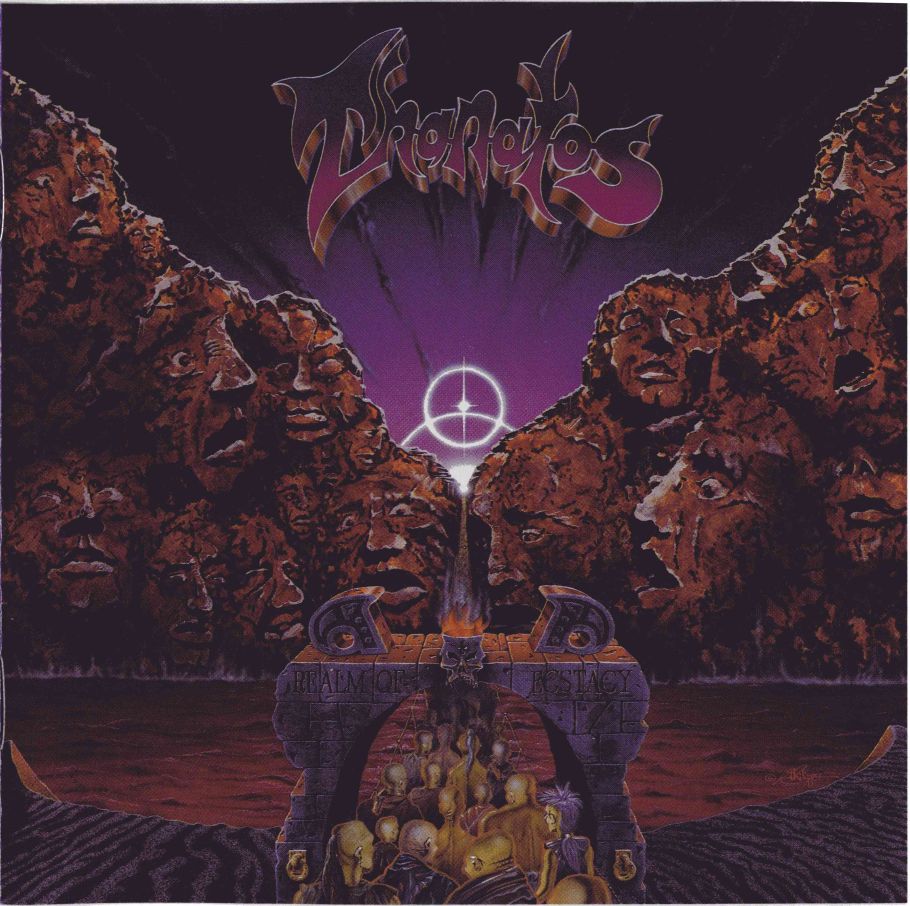
Much like Pestilence, Thanatos cut their teeth as a thrash outfit in the 80s, before making a late pivot to death metal following their debut ‘Emerging from the Netherworlds’ in 1990. It’s a move that paid off, at least in terms of the quality of the material. Although ‘Realm of Ecstacy’ was hardly a game changer for the genre, it’s a worthy meat ‘n’ veg all-rounder entry. The fact that Thanatos force themselves to slow down, allowing some of the riffs to breathe, which in turn afforded them to chance to pivot on contrasts between tempos and intensity, making for a dynamic album even before one considers the sprawling guitar leads. More complex than Sinister, more approachable than Pestilence, and more energetic than Asphyx, here Thanatos gifted us the perfect rainy day album, only to split not long after its release. Upon their reformation in 1999 they continued this habit, emerging as an unexpected beast of consistency in those dark years for death metal in the early 21st Century.
Torchure: Beyond the Veil (Germany, 1992)
Category: Further Reading
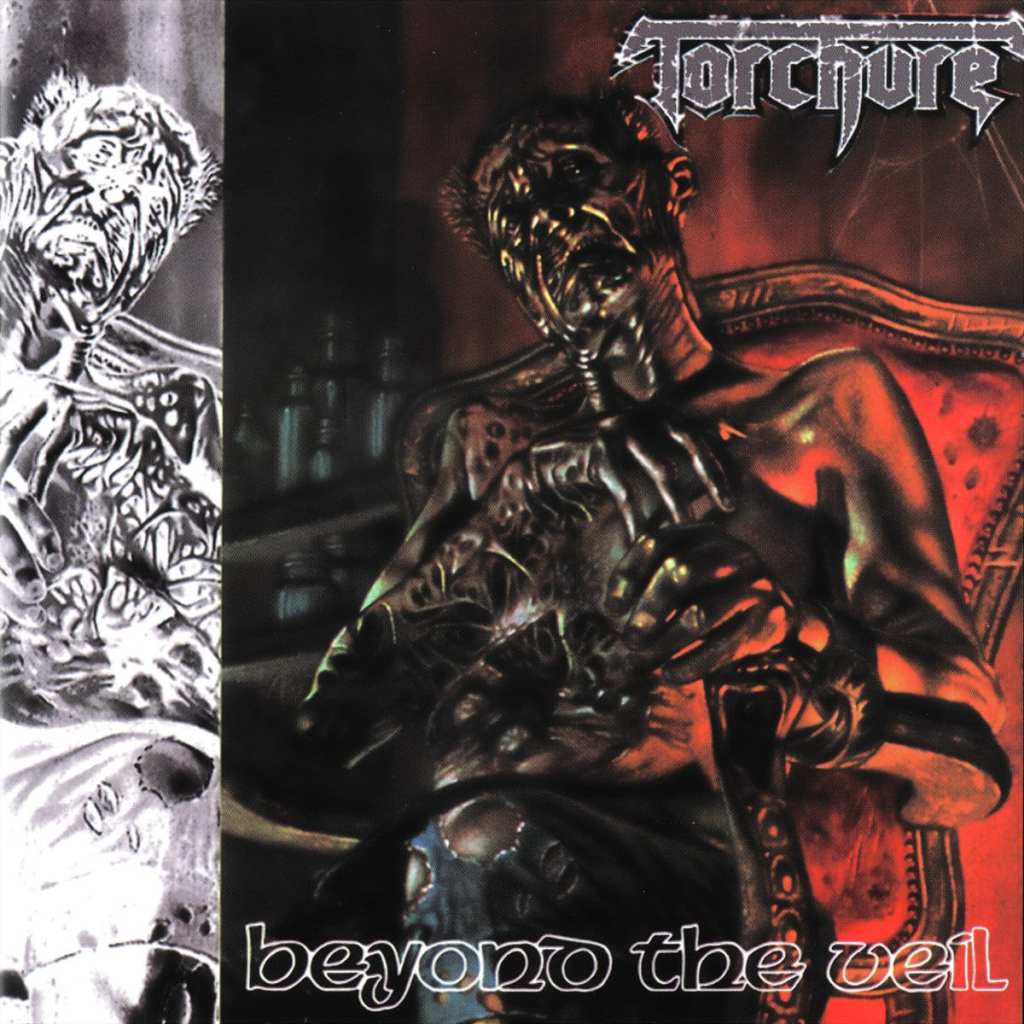
Torchure were a brief shining anomaly in the firmament of German death metal. This was the first of two albums before a car accident tragically killed two of its members and cut the project short. Here we find an entity circling between the flamboyant melodic intentions of Cemetary and a much gloomier, doom laden approach. Sprinkled with some welcome keyboards – not sullied by the clear vintage of the tones used – is a whole host of melodic and harmonic interplay somewhat unique within death metal. Listening to it in such close proximity to Sadism’s ‘Tribulated Bells’ makes plain the distinction between two competing impulses within death metal. One the sparse architect intent on building a composition through the neat tessellation of self contained musical units (riffs), the other drawing from a perhaps more traditional musical instinct, the possibility of developing melodic language within an otherwise highly extreme sonic environment.
Torturer: Oppressed by Force (Chile, 1992)
Category: Useful Footnote
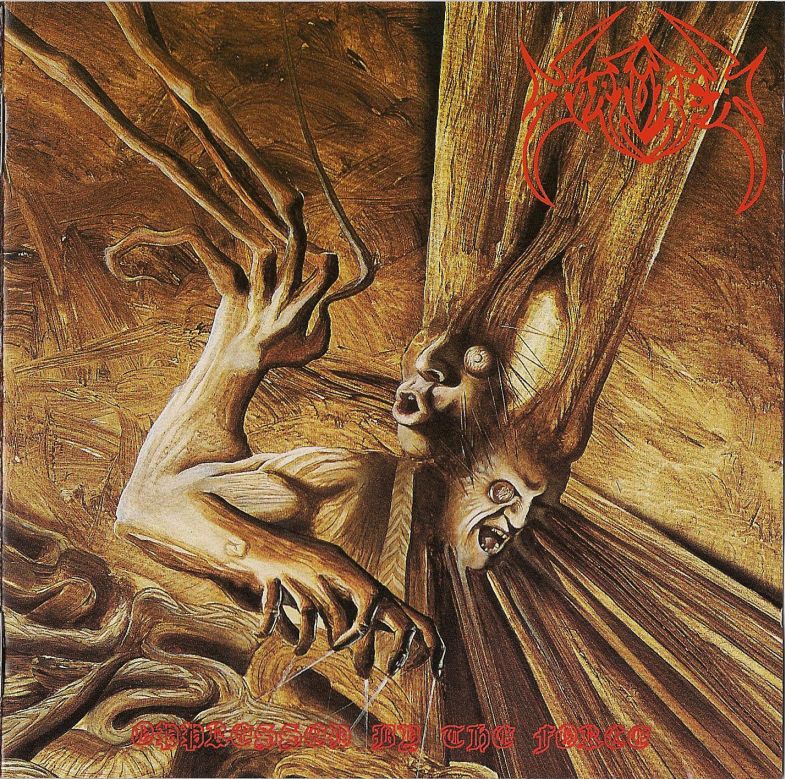
As well as being another pillar of Chilean death metal, this album is a demonstration of how enamoured Chilean thrash is with Destruction. ‘Eternal Devastation’ era riffs litter this album, mixed into a cocktail of proto labyrinthine Morbid Angel stylings echoing Vader of the same era. Although undeniably more on the thrash side when compared to Sadism, there is a similar, almost obsessive churn of riffs across this album alongside a playful punk bounce.
Sinister: Cross the Styx (Netherlands, 1992)
Category: Core Text
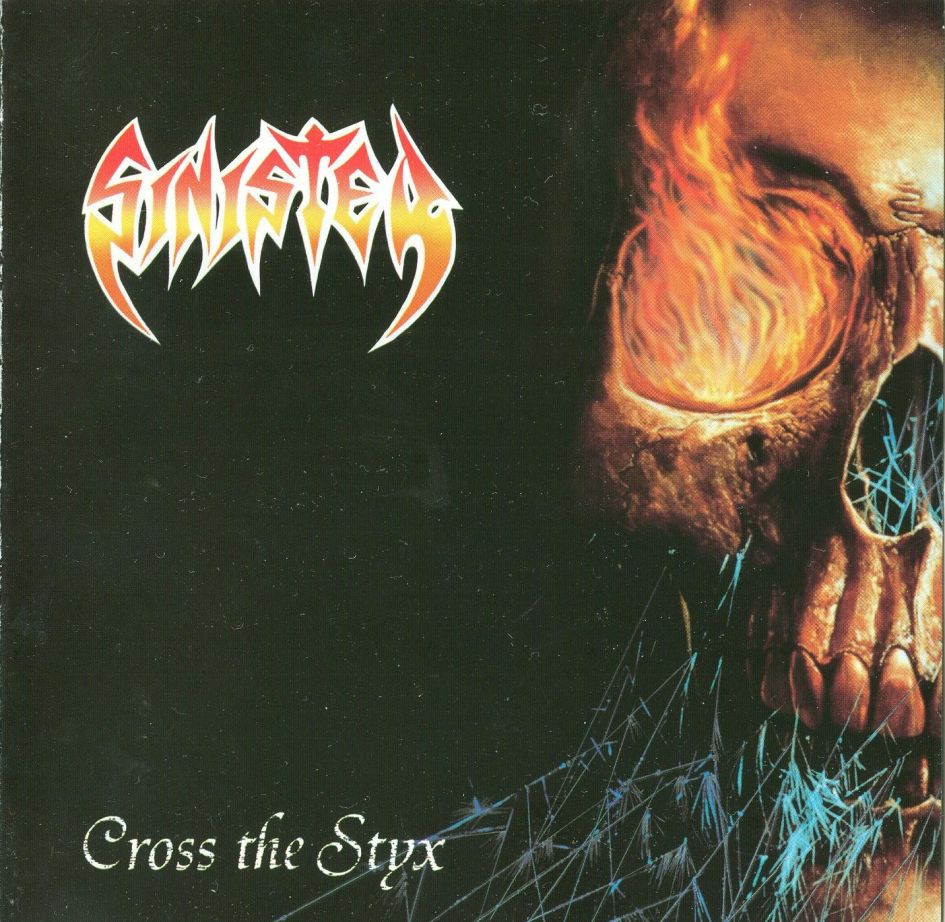
Another giant of Dutch death metal, and perhaps the most straightforward stylistically. But this and the two albums that followed demonstrate the extent to which death metal had become a melting pot by this point. Elements of Possessed and Slayer are digested through Deicide, alongside more European influences from German thrash. All are bound together by a subtle application of gothic melody, which works as a kind of background administrator to the choppy, chaotic foreground. In this sense it slots neatly into the family tree of Northern European death metal, but weaves its charm through subtler means than some of its Swedish counterparts.
Disharmonic Orchestra: Not to be Undimensional Conscious (Austria, 1992)
Category: Further Reading
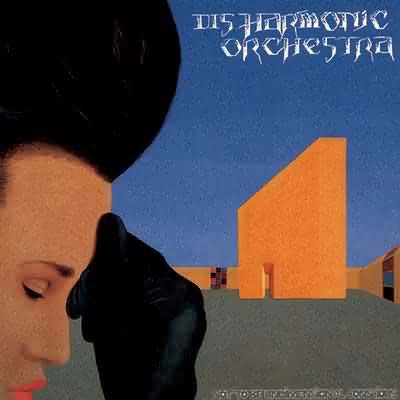
Disharmonic Orchestra are the most striking example of the sheer audacity of Austrian acts from this time. This is essentially a fusion album. The HM-2 tone is put in service of psychedelia, funk, and hip hop alongside some more garden variety thrash riffs, accompanied by a rhythm section rooted more in jazz than metal DNA. But for all the genre hopping, the album carries a spell binding, almost dreamlike aura in keeping with the surrealism of the cover art that somehow overpowers the still latent aggression undergirding the music.
Grave: You’ll Never See… (Sweden, 1992)
Category: Useful Footnote
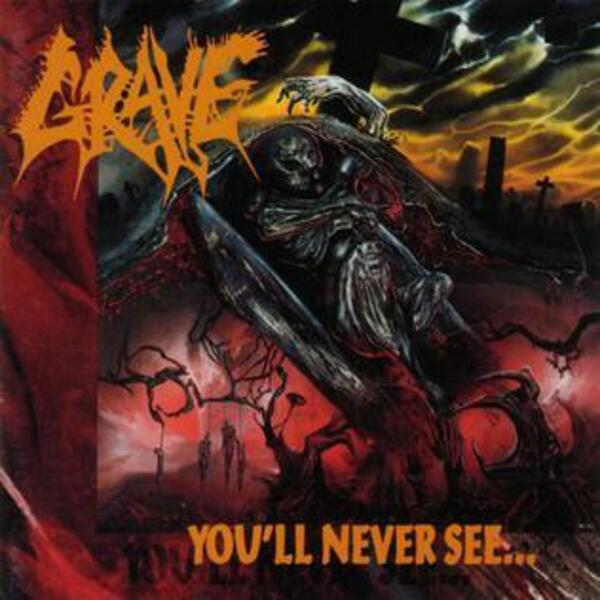
In the so called big four of Swedish death metal, Grave are definitely the Anthrax (although a strong case could be made for Unleashed filling this position). Solid, recognisable, but they have no business being uttered in the same breath as Dismember or Entombed. I usually reach for their celebrated debut ‘Into the Grave’ released in 1991, but this is to overlook the more dynamic follow up. Whilst the debut is an undeniably fun album, translating the dark HM-2 swagger of their contemporaries into a stripped back, almost party metal zone, ‘You’ll Never See…’ continues this trend, but with a livelier riff palette and a modicum of effort in the song writing department. For all their modest virtues however, Grave’s status always felt like it was riding on the coattails of the scene around them.
Unleashed: Shadows in the Deep (Sweden, 1992)
Category: Further Reading
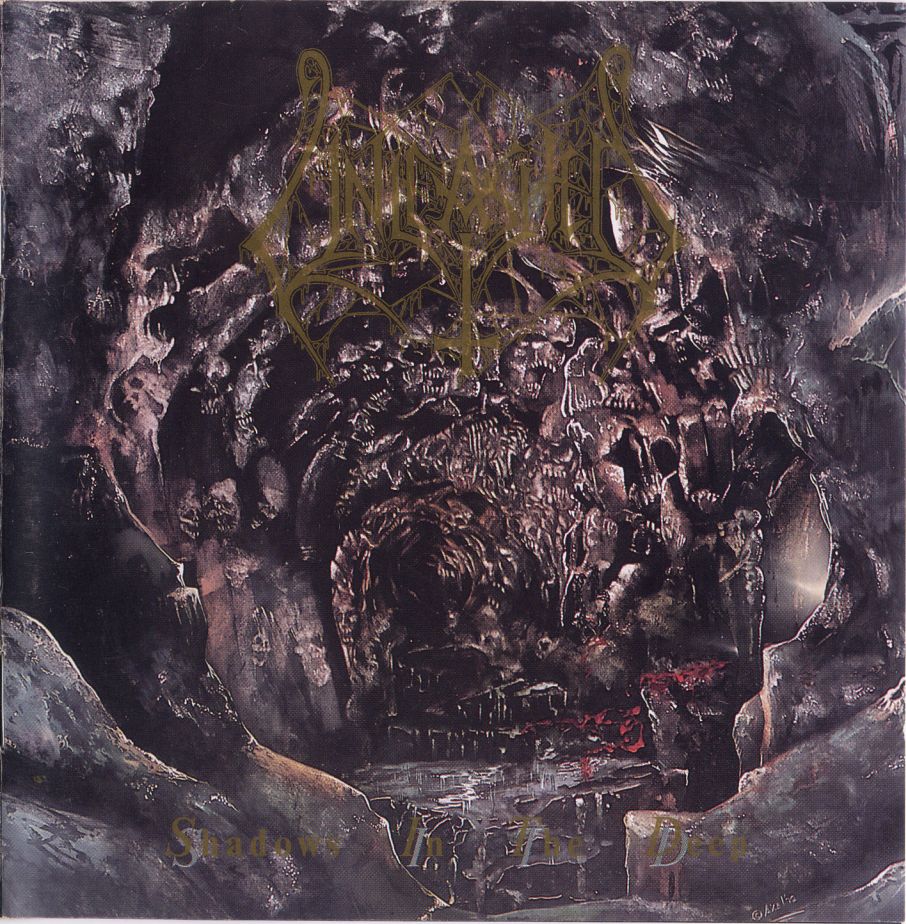
The other Nihilist offspring alongside Entombed, anything said about Grave could easily apply to these guys. But there is something more audacious about Unleashed, at least in the early 90s, that keeps me coming back. This is death metal stripped down to its most basic components, there is both a clarity and character to the delivery that somehow brings it to life. A refreshing respite from the technical overtures of their peers, yet also active and life affirming despite the one dimensional approach. If anything, ‘Shadows in the Deep’ is even more rudimentary than the celebrated debut, seasoning these colour-by-numbers Celtic Frost riffs with their now vaunted Viking lyrical themes. A cover of ‘Countess Bathory’ midway through the album only solidifies the notion that death metal can be austere, flattened off, yet also somehow fun.
My Dying Bride: As the Flower Withers (UK, 1992)
Category: Further Reading
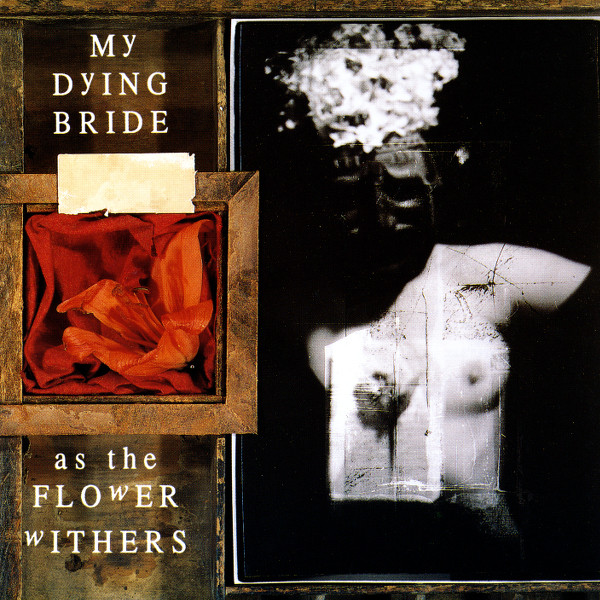
Whilst UK death metal at this time will forever be synonymous with Earache, in the North the so called Peaceville three – Paradise Lost, Anathema, and one My Poorly Misses – were developing a slower, more introspective style. Of the three, My Dying Bride stuck the closest to their roots, but arguably by their revered second album ‘Turn Loose the Swans’ had aged out of death metal somewhat. It’s the debut that offers the most complete example of what UK death/doom could have been if its founding artists weren’t so stylistically flighty. Gloomy, melodic, downbeat, yet heavy, aggressive, and dynamic at the same time. A diverse beast that worked more on the articulation of longer melodic sequences built from traditional minor keys as opposed to the rampant atonality deployed by the majority of death metal acts at the time.
Fleshcrawl: Descend into the Absurd (Germany, 1992)
Category: Further Reading
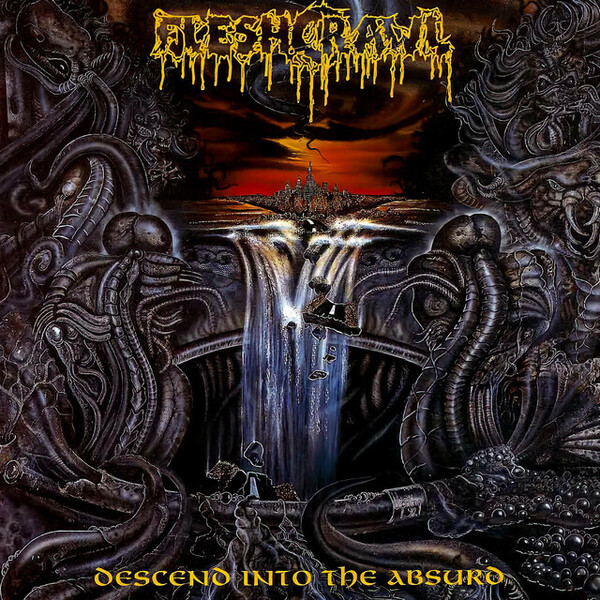
True to their namesake, here Fleshcrawl landed on an approximation of haunted Autopsy. A striking, muscular iteration of death/doom that injected the remnants of Black Sabbath’s genetic code with a dark romanticism. More melodic than Incantation, to the extent that melodic contours seem to define the ebb and flow of each track, as mini crescendos rise and fall, which in turn dictate the orientation of the drums. Faster passages pivot on choppier melodies as opposed to extended tremolo runs made up of a handful of notes, thus creating a sense of clutter and urgency in stark contrast to the expansive doom segments that seem to torture their way out of the speakers. This album would solidify Fleshcrawl as a pillar of German death metal for years to come.
Napalm Death: Utopia Banished (UK, 1992)
Category: Further Reading
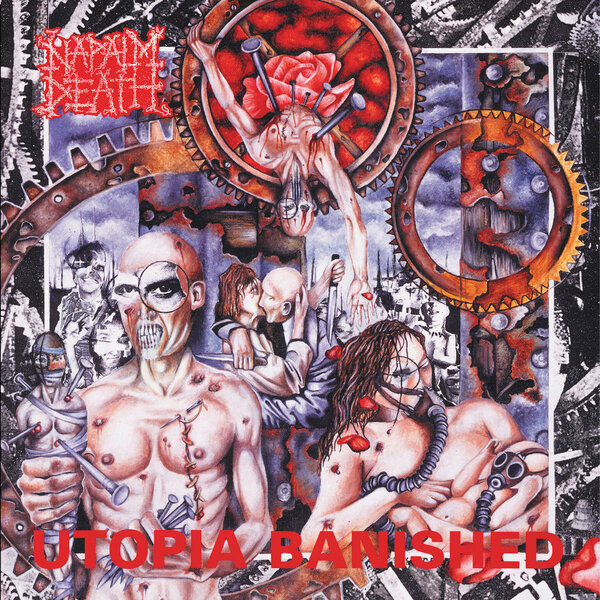
These guys were bound to turn up at some point. Much like Carcass, by the 90s Napalm Death wanted to get in on the action by pivoting away from grindcore and toward Floridian death metal. But Napalm Death would go further than their label mates, recruiting two guitarists to replace Mr Steer, and flying over to Florida to consult the oracle of death metal, Scott Burns. The results of their somewhat tense stint at Morrisound in ‘Harmony Corruption’ may be celebrated today, but to my mind the album is a complete misfire, one that saw the departure of drummer Mick Harris following some heated exchanges with Scott Burns over his performance. And indeed Harris’s demand for the ‘Left Hand Path’ snare sound, something Burns apparently refused him as it would have meant using drum pads. And so the last remaining member of the ‘Scum’ era departed, and the ND brand effectively passed to an entirely new set of musicians. To my mind, Napalm Death’s death metal selves was still too enamoured with grindcore to be tamed by the caring ministrations of Scott Burns, and ‘Harmony Corruption’, whilst not without charm, is a fuzzy, confused mess as a result. The result of the collision between the loose, informality of ND’s roots and the relative professionalism required to work at Morrisound, despite Burns being an avid punk fan. As a result, it’s the follow up, ‘Utopia Banished’, produced under the watchful eye of Earache staple Colin Richardson, which provides the clearer vision of Napalm Death in their full death metal pomp. The colder, more mechanical production furnishes us with a more authentic presentation, a distinctly bleak outlook that can only come from British outfits (despite the fact that both guitarists on this album were yanks). This is ND at their deathgrind best, and possibly the last worthwhile thing the band ever did.
Asphyx: Last One on Earth (Netherlands, 1992)
Category: Core Text
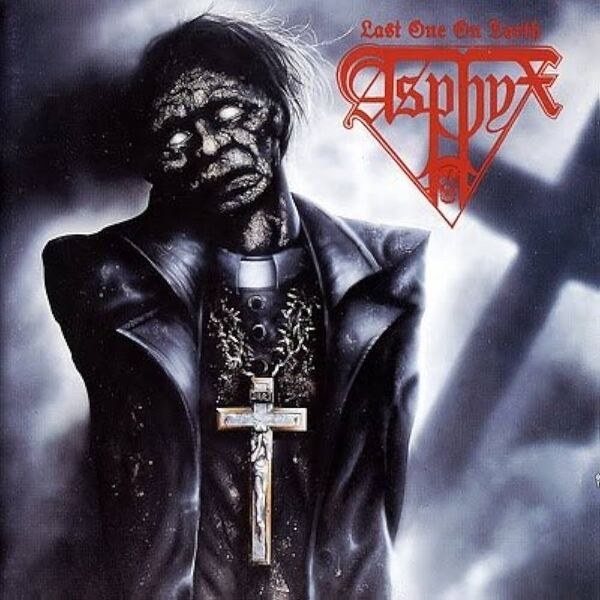
Asphyx’s early lineup churn may have thwarted them in reaching the acclaim they deserved, but for a brief window, Martin van Drunen left Pestilence to join Asphyx and they put out two albums that all but laid the template for death/doom. The debut ‘The Rack’ may be the more iconic, but it’s here that we see Asphyx hit their stride, more effectively marrying faster elements with the brooding, expansive atmospheres they later became synonymous with, in part thanks to one of the more successful comebacks of the 21st Century. As with the debut, they keep most of their powder dry for the title track, but stitched in between are raw, undiluted punches of basic death metal, essentially upgrading the Unleashed formula with a greater emphasis on minimalism and conviction in the delivery.
Cadaver: …in Pains (Norway, 1992)
Category: Core Text
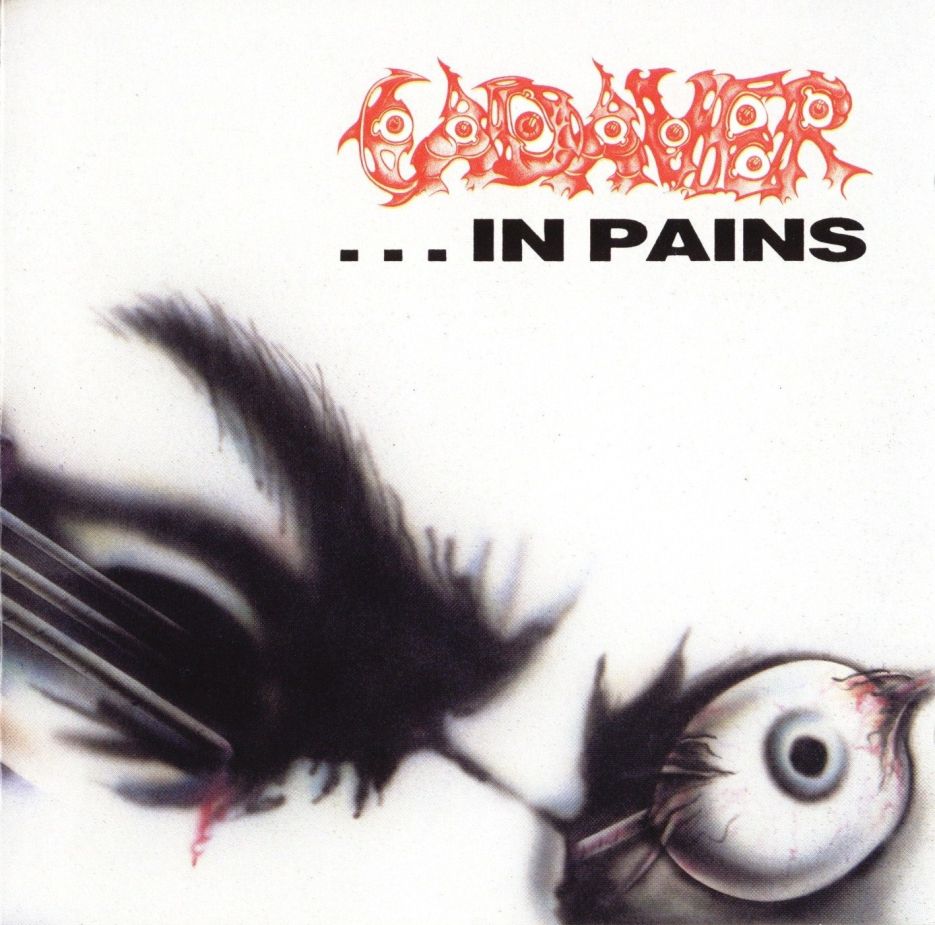
Cadaver, the black swan event. The Norwegian death metal band that never jumped over the wall into black metal. The result was albums like this. Similar to Carbonized or Disharmonic Orchestra, or even Die Kreuzen for that matter, this album fuses progressive and jazz impulses into death metal, resulting in a work that could be studied alongside ‘Unquestionable Presence’. Melodies are forced to navigate an undulating, labyrinthine rhythmic flow, as vocal interjections function almost as liturgies to anxiety, upsetting the momentum in their attempt to wrest control. Dissonance, odd contouring, and an unusually freeform arrangement make this a compelling statement of progressive death metal, sadly overlooked by Schuldiner pilled guitar nerds fired up by the pageantry of Decibel’s escalating Death propaganda campaign.
Dark Millenium: Ashore the Celestial Burden (Germany, 1992)
Category: Useful Footnote
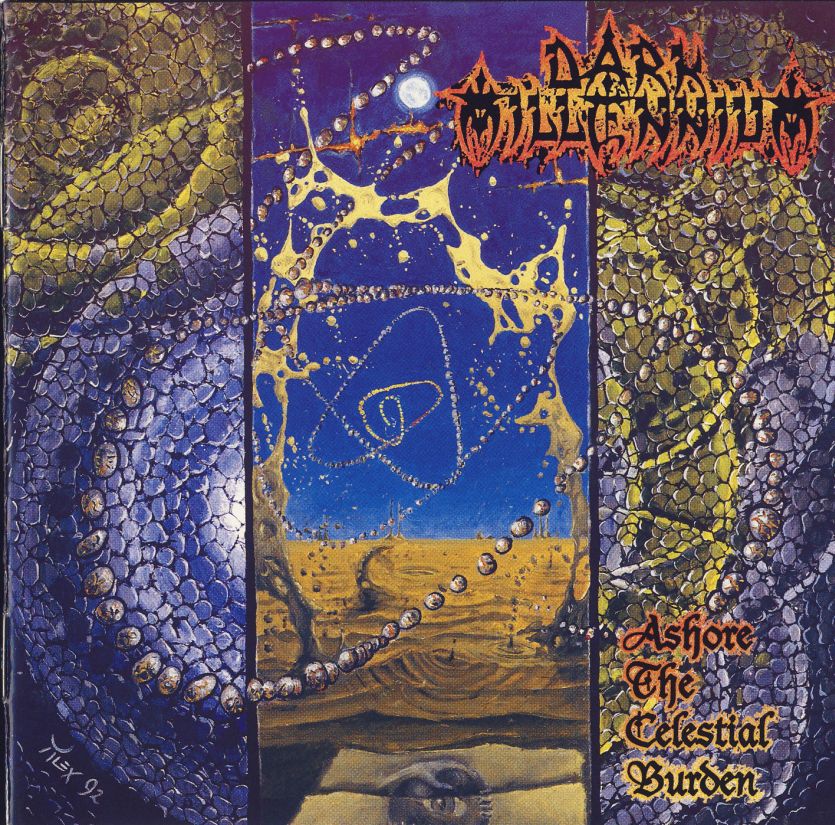
This ambitious debut is in some ways a very European answer to prog era Death. More romanticist in spirit and melodic content. More fraught with emotion. And undeniably more surreal. In ways it melds melodic doom with the glum austerity of European death metal, as guitar leads extend out over several passages, functioning more as a dual lead instrument alongside the sometimes overwrought vocals. At times it falls foul of hysterically German outbursts, something that also mars early Bethlehem to my mind. But this does not dampen an otherwise gem of an album that once again demonstrates just how expansive and ambitious death metal had become by 1992.
Gorefest: False (Netherlands, 1992)
Category: Further Reading
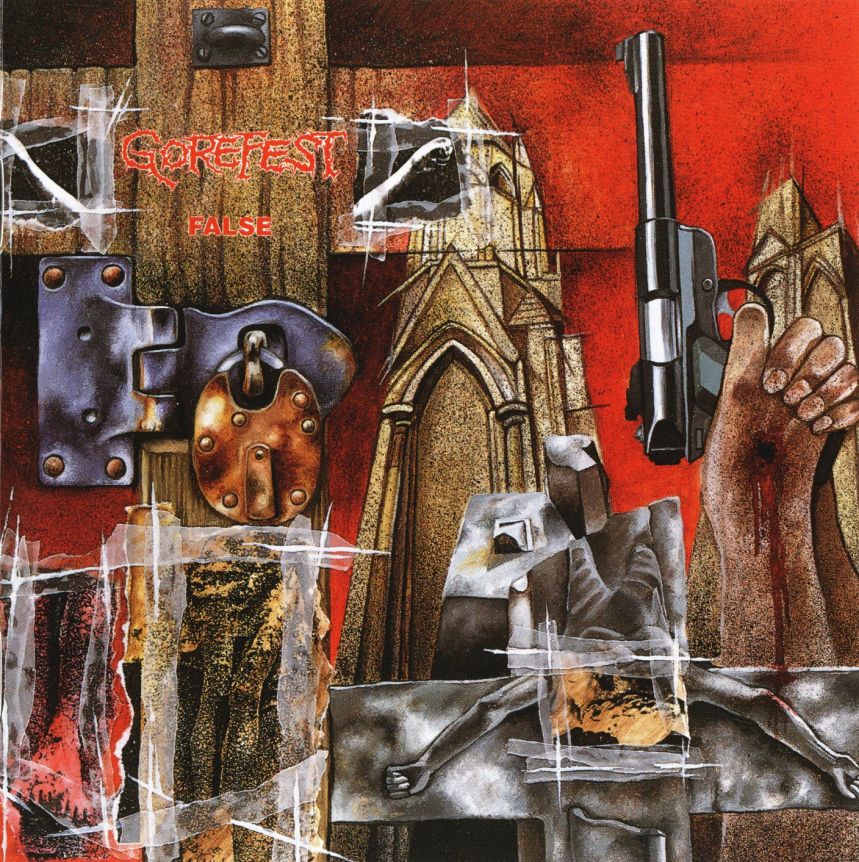
In some ways a Dutch answer to Entombed. Despite their first two albums offering some of the most solid, hard hitting death metal you will find anywhere, their meandering pivot to death ‘n’ roll via their odd third album ‘Erase’ has solidified their status as divisive. And, much like Entombed, their second album in every respect feels like an upgrade to the debut. ‘False’ may be a little populist. There are plenty of grooves, catchy melodies, and the overall structure a little “rockist”. But it all comes together thanks to the idiosyncratic character of the players. Surrealism lurks as a background theme, alongside an impulse toward choppy, disorientating rhythmic deviations that elevate the material above simple “party metal” fodder.
Hypocrisy: Penetralia (Sweden, 1992)
Category: Further Reading
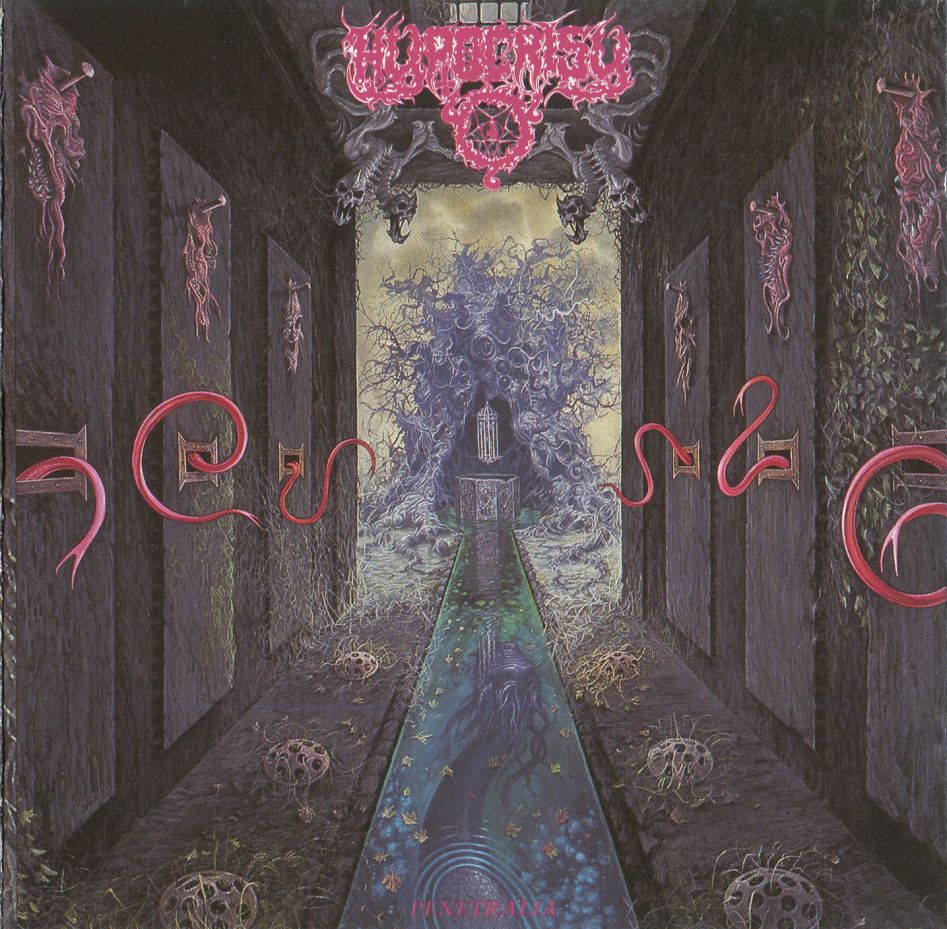
Speaking of divisive, remember when Hypocrisy were good? At this point they looked like Sweden’s answer to Malevolent Creation. Fast, choppy, and largely built from thrash riffs. But taken to a much darker place – at the expense of sheer aggression – through a more refined melodic palette. Link passages are defined by Slayer derived speed runs, which in turn give way to the ambient flow of tremolo picked runs that articulate the feeling of descent, with drums sticking closer to continuous blast-beats or galloping double bass rhythms as if to maintain the momentum, creating a proto symphonic effect that only adds to the regalia of this style. In some sense anomalous within Swedish death metal of the time, yet one can clearly see the blueprint of what would become melodic death metal.
Amorphis: The Karelian Isthmus (Finland, 1992)
Category: Core Text
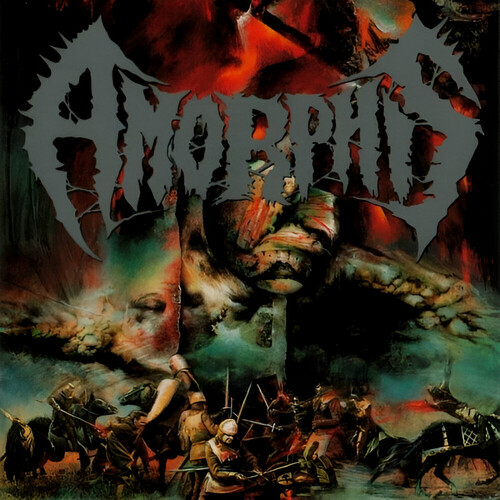
Before becoming Nickleback, Amorphis showed us a different side to Finnish death metal. Away from the haunted stoicism of their peers, this album twists the blunt violence of Bolt Thrower into a more heroic direction, crafting vast, sprawling epics from profoundly basic components, every bit the offspring of heavy metal from the previous decade. The result is narrative music par excellence. Fireside death metal, these odes gradually weave and unfurl their way teleologically toward grand, sweeping conclusions, the tension of triumph and the blunt nihilism of destruction palpable throughout. A brief EP emphasising the latter element would follow this album, before Amorphis wandered into stadium rock territory.
Atrocity: Todessehnsucht (Germany, 1992)
Category: Core Text
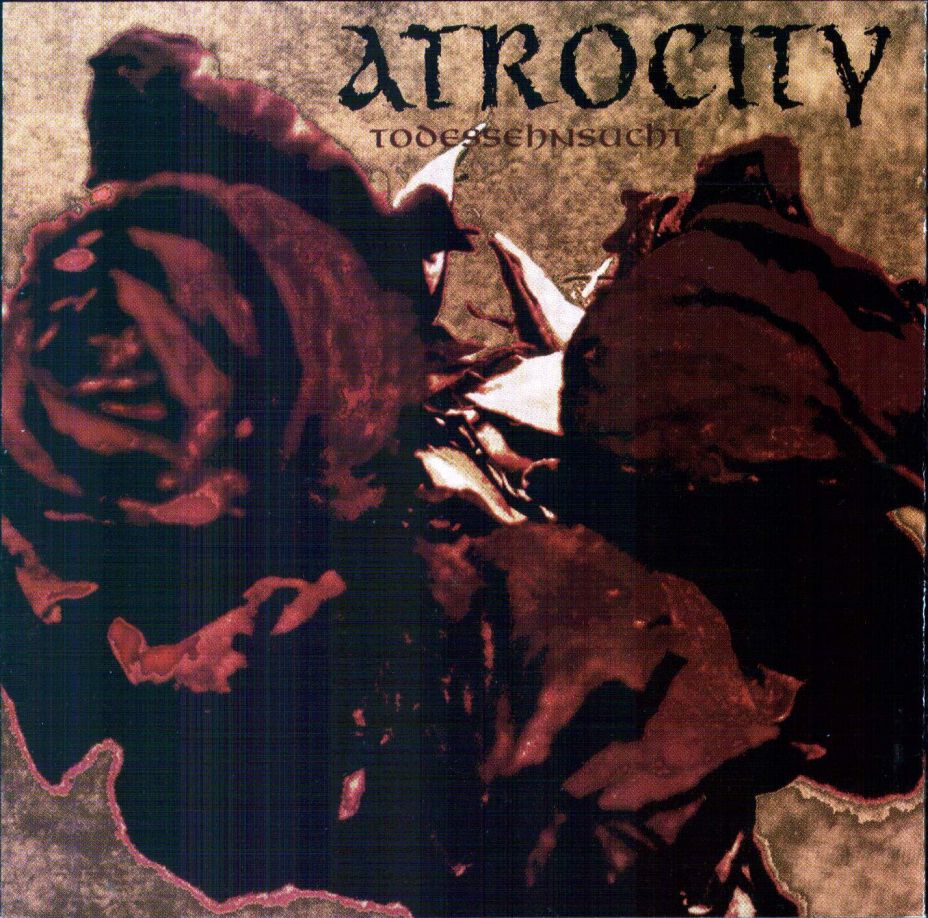
This is a disorientating album. One could read it as a rebuttal to the relatively bright fusion of Disharmonic Orchestra. Every bit as mindful of the avant-garde, and every bit as willing to upset the listener through its confusing, non-linear motions. But Atrocity express a near unbearable degree of anomie and despair across this significant album. An undeniably progressive statement shrouded in suicidal Romanticism. Lead melodies, which are often deployed to insert a brief catharsis from the atonality, here seek to heighten the sense of discord, gouging open greater depths of tension as they blast through the undulating rhythm section with reckless abandon. Staccato, hardcore derived vocals seek to navigate their way through this morass, functioning if not as an insert character for the listener, then at least a guiding voice through an otherwise musically and spiritually dense undertaking.
Demigod: Slumber of Sullen Eyes (Finland, 1992)
Category: Core Text
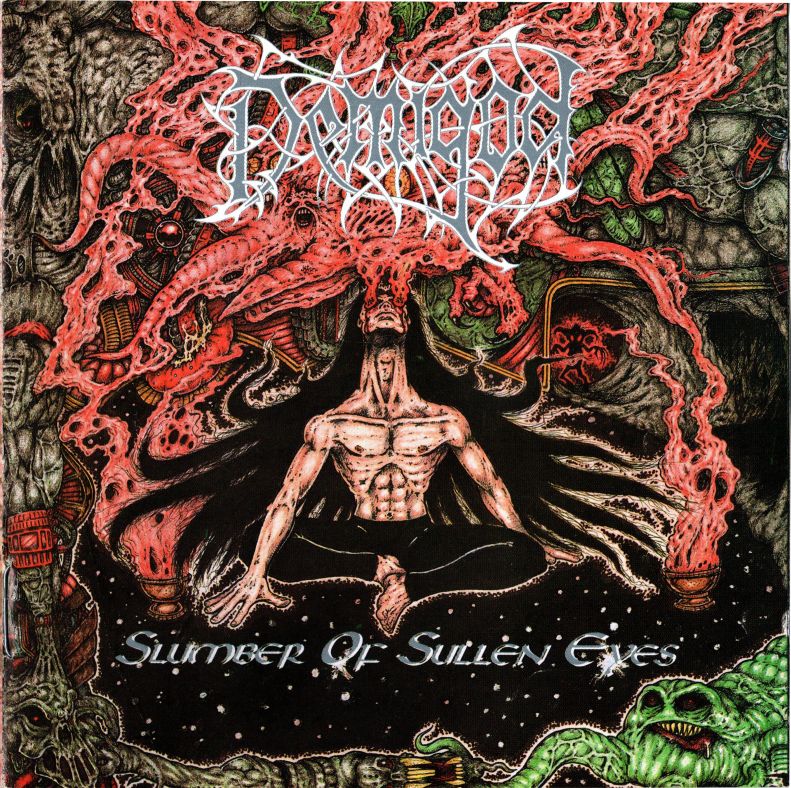
And of course, we can’t talk about 1992 without referencing the flowering of classical Finnish death metal in the form of ‘Slumber of Sullen Eyes’. A strong contender for one of the best one hit wonders of death metal, this album all but defined the Finnish style in the eyes of many. Moving beyond the simple crush of Bolt Thrower, Demigod weaved in surrealist melodic expressions that hang like cobwebs over the music, liminal, disturbing, leaving the skin crawling as discomfort oozes from every pore. Haunted in quite a literal sense, the bread and butter of Northern European death metal, namely the ambience derived from basic, chugging rhythms, reaches its fruition here, as a miasma of ghostly atmosphere washes over the listener, decorated with idiosyncratic melodic inflections, the eerie fragility and temporality of which stands in defiance of the blunt violence at play within the rhythm section.
Epitaph: Seeming Salvation (Sweden, 1992)
Category: Useful Footnote
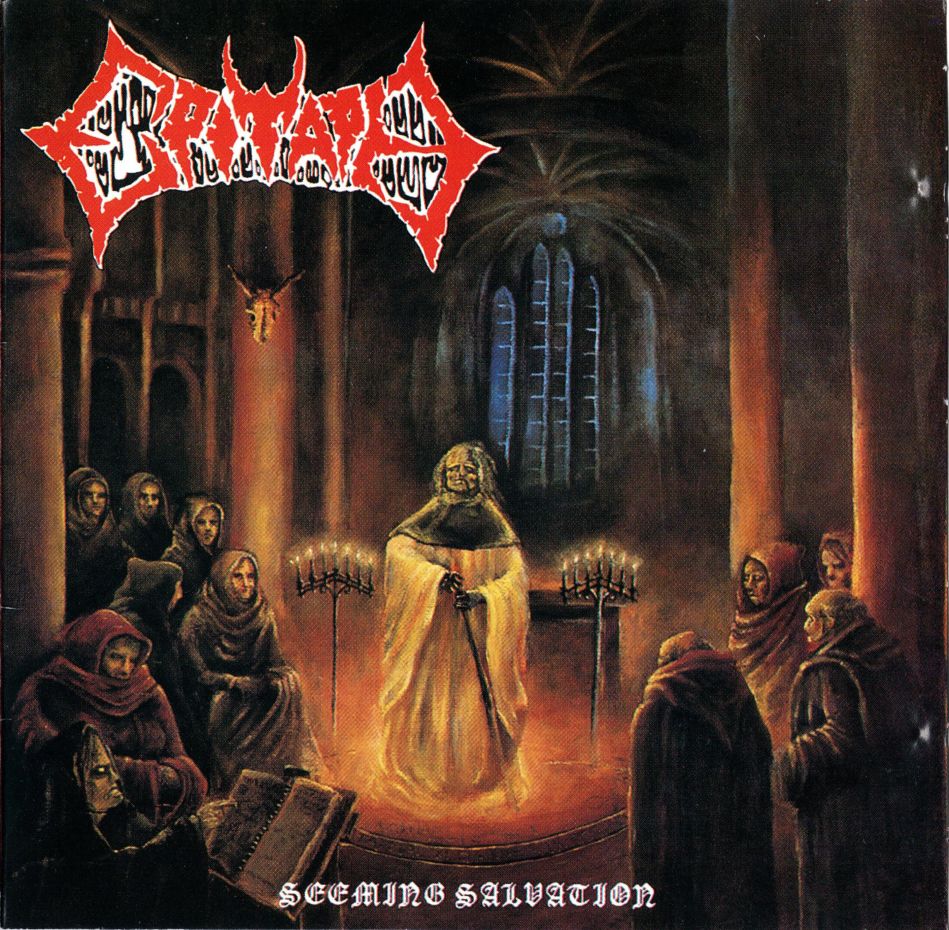
Quite literally a footnote in the sense that this came at the tail end of the busiest year for death metal, in one of its busiest nations, and fails to offer much beyond caveats to the material discussed above. An album that sits somewhere between the mix of heavy metal and punk, the basic yet effective formula for Entombed and Dismember, and the dreamier end of the spectrum in Cemetary or Edge of Sanity. For scholars of vintage Scandinavian death metal this album holds much charm. The riffs may be a little too rudimentary and derivative for their own good, but what Epitaph lacked architecturally they partially make up for with their melodic character, as lead work ranges from the euphoric through to the funereal, with a modest emotive flair salvaging an otherwise also-ran album.
Death metal and the roads less travelled | Part I – The Awakening, 1986-1991
Death metal and the roads less travelled | Part III – Transcendence into the Peripheral, 1993-94
Death metal and the roads less travelled | Part IV – Deathcult for Eternity: The Triumph, 1995-2001


Another very inspiring post, thank you.
I’d like to add some crucial albums for the death metal roads less travelled in 1992 to your selection:
Incubator – McGillroy The Housefly & Traumatic Voyage – Traumatic. Psychedelic dm which still is pretty unmatched.
Babylon Sad – Kyrie & The Gathering – Always. Gothic Death/Doom in a very different manner from the mostly associated uk variety.
Seance – Fornever laid to rest & At The Gates – The red in the sky & Pan Thy Monium – Dawn of Dreams. Sweden offered such vivid dm outputs, to be be solely reduced to hm-2 sunlight.
Assorted Heap – Mind Waves & Mercyless – Abject Offerings & Vader – The Ultimate Incantation. Death-Thrash had some absolute european highlights in 1992, that are completely par with the US dmtm outputs
LikeLike
Surprised there’s no mention of Beyond Sanctorum, given that you cited it as one of the best death metal albums on the last post.
Having never paid attention to this band before (only known about them as a lamer version of the much superior Haggard), I decided to listen to it. I enjoyed the album, but it felt very unfocused, like the band was throwing shit at the wall and it often didn’t stick.
Until I got to the track “The Way”. Holy shit that song blew me away. It’s like a precursor to Lykathea Aflame, I love it. Been re-listening to that song a lot in the last few days.
LikeLike
Absolutely love Beyond Sanctorum but it is disjointed, the production is noticeably different on different tracks for one thing and it seems to have a split personality between ol’ school DM and that adventurous overt melodicism that brings to mind later stuff like Intestine Baalism (or sure Appalling Spawn/Lykathea). Still though, the heights are very high.
I’m guessing AtG – The Red was too obvious but a lot of these albums are still pretty obvious in my book so it seems a strange omission, especially considering it’s probably the best of the bunch.
LikeLike
An interesting article, thank you Shelley. I remember in ’92 a pushback against the ubiquitous Morrisound sound. Whilst that studio produced some great albums that have stood the test of time, I think that the scene was ready for something new. I loved ‘Soulside Journey’ but I was blown away by ‘Blaze…’ which offered that rawness combined with a nascent potentiality at where BM would go next.
LikeLike
The comment about Grave being the Anthrax of Swe-DM made me chuckle – spot on. I wouldn’t put Unleashed anywhere near that category though.
This was a good read and a good format for this type of article. Made me want to go back and spin some of the records mentioned.
LikeLike