What does the metalhead do on their day off and why is it ambient? I listened to all the “black ambient” releases from the 90s to find out.
If you were to press me on a pithy definition of metal, I would say it’s music written through the organisation of riffs. This means it can choose to bypass the traditional verse/chorus structure, but doesn’t always do so. This focus on the riff makes it distinct from equivalent genres that eschew the traditional song format such as jazz, which does so through extensive improvisation, or ambient/electronica through elaborate experiments in tone and texture. There you go. Over fifty years of music discourse disposed of in a few sentences no I won’t elaborate.
This makes black metal as conceived in the early 90s so curious. It was, in some respects, metal’s first attempt at moving beyond the riff. An attempt that never reached fruition precisely because very few people were alive to this potential at the time. Namely, in taking the leap from sequencing riffs to developing themes that move through several evolutions over more extensive musical sentences. For all the surprising innovations of black metal throughout the 90s it was apparent by the end of the decade that it would never fully unshackle from the confines of the riff and its close reliance on a rhythm section still deeply wedded to the backbeat (even the most liquid of blast-beats still, to my mind, implies a backbeat).
It’s dubious whether any musicians were conscious of or desirous to pursue this course. Even Varg’s stated intention of moving away from guitar based music – framed in typically inflammatory racial terms – resulted in Burzum doubling down on minimalism as opposed to the compositional maximalism implied by black metal. But there was a population of musicians attached to black metal, too large to be called a fluke, who were clearly intrigued by the possibility of moving beyond the riff. Metal had been here before, it is littered with ambient detritus alongside a storied history in renting out material from instrumental music from film scores to early electronic music. But no other subgenre has produced quite so much ambient byproduct as black metal. Beneath the fanfare and dark pageantry sits a subconscious desire to seek out alternative raw materials outside the usual blocks of distorted chords. Although metal’s fondness for ambient isn’t exclusive to black metal, once it arrived the wider relationship started to make sense. To my mind, there are two obvious readings of this. One is that opposites attract. A maximalist, proactive, unsubtle, loud, energetic form of music paradoxically expressed through a timbral monoculture of distorted guitar tones was bound to foster a craving for the inverse, a static, sparse, arhythmic austerity whose textural diversity is almost limitless. The second comes back to that need to go beyond the riff hinted at by black metal.
In surveying this material it’s clear that ambience was not the only thing on these musicians’ mind. Music as ritual, performance, theatre, exploration, enquiry, all are prevalent, as is a liminal sense that rock music was coming full circle, rejecting its most high flung pinnacles of excess in the 70s and 80s in favour of frugal folk music and the humble tradition of song from which it originally arose.
Although the modern listener may be tempted to view this story through dungeon synth shaped glasses, the music later understood as such was but one tangent metal musicians were taking at this time, alongside pure ambient, industrial, neofolk, and noise. Further, whatever diamonds in the rough of the later dungeon synth revival, it neither attempts nor succeeds at being metal’s final unshackling from the tyranny of the riff.
The truth is, if you go beyond the ambient projects immediately associated with black metal’s aristocracy, you step into a lawless borderland, a place where metal meets the avant-garde, a world of sound art and deranged theatre, the edge of reason, a land as comedic as it is unsettling. A time of freedom that today seems almost impossible, arising from the material and technical limitations of the era. Just as chess creates a world of possibility through the very limitations it imposes on each piece, the modern musician is free to work without limits, but the results are so often akin to a chess game where each pawn moves like a queen, creating a fleeting, incoherent chaos.
The selection process for this list is simple and not at all arbitrary. Releases must be connected to black metal in some way, but must not itself be black metal. Not all these releases are ambient in the strictest sense, some even contain distorted guitars, but I have determined through careful study that they generally do not follow a traditional metallic riff sequence, and so to greater or lesser degrees support my thesis (some neofolk is included). Other than that, I’ve limited the list to one release per artist despite some overlap between projects, with the same characters cropping up under different monikers, and for ease, I’ve broken them down by region or country depending on the number of releases I could actually track down. So strap in, and let’s see how far I can get without mentioning the DS word again.
Central Europe
Taking in Austria, which naturally orbits around the so called Black Syndicate, the Austrian equivalent to the Norwegian black circle, which once named Protector, Silenius, and Pazuzu amongst its ranks, all artists who cultivated curious habits outside of black metal, but this also covers a good chunk of early winter/dungeon synth* in the likes of Paysage d’Hiver and the many plates spun by one Black Son of Darkness in Germany throughout the 90s.
*Not very far apparently
Mordor: Odes (Switzerland, 1990)
black funeral doom
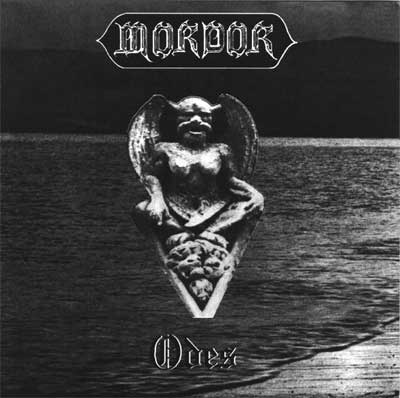
Sitting somewhere between drone, martial ambient, doom, and industrial, this demo would later be described as a funeral doom black metal hybrid. Despite the challenges in labelling this extraordinarily prescient artist, Mordor were a truly unique entity, a liminal, haunting, spectre of half-formed noises, haunting atmosphere, and uncanny musical impressions that weaves together many future elements across the black metal and black ambient spectrum. All concocted from minimal synth lines, achingly basic drum programming, harsh guitar tones, and ghoulish vocals.
Die Verbannten Kinder Evas: Die Verbannten Kinder Evas (1995)
ambient/neofolk/darkwave
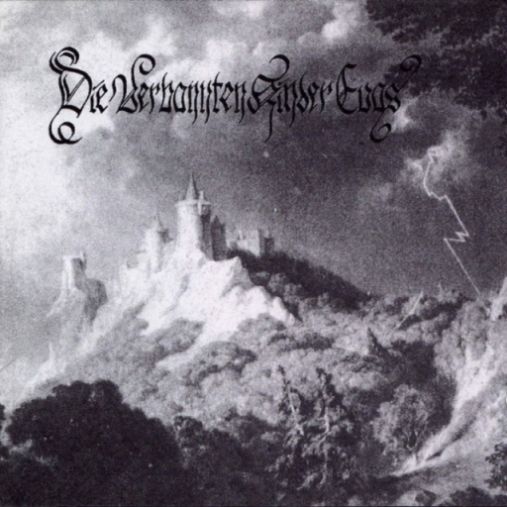
One of the many pies Protector of Summoning fame had his finger in, along with his EBM/industrial vehicle Ice Ages. Although Die Verbannten Kinder Evas would later move into a much more explicitly darkwave direction, here we see him and longtime collaborator Silenius repurpose their gear from the ‘Minus Morgul’ sessions for an oddly bloated and unfocused offering, along with vocals from Protector’s sister Julia Lederer. Part Summoning stripped of any black metal, part darkwave, and part pure ambient, it feels like a transitional album despite it being the first full statement from this outfit other than a demo the previous year. Despite this, as a crossover work between these styles it should not be ignored in favour of the more accomplished darkwave music that followed.
Opferdolch: Ritenkult (Germany, 1996)
ambient
Andreas Bettinger, aka B.S.o.D (Black Son of Darkness), was a prolific solo artist working under many monikers on the peripheries of the black metal scene throughout the 90s. Under this project we find a delicate demo of dreamy ambient, punctuated by a charming cover of Summoning’s ‘Passing of the Grey Company’ sandwiched in the middle. Although brief and light on chewable content, it is required reading for anyone interesting in first wave dungeon synth. Its absorbing atmosphere brings one out of the immediate present, if only for a moment.
Pazuzu: Awaken the Dragon (Austria, 1997)
neofolk/ambient
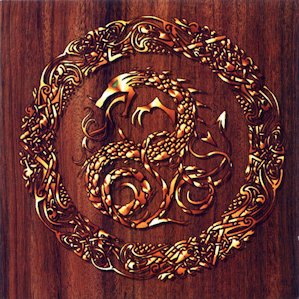
Another chapter in the Summoning expanded universe, at one time this project contained not only Silenius and Protector, but even original Summoning drummer Trifixion, who all joined for the playfully creepy neofolk debut ‘And all was Silent…’. All had departed by the time of ‘Awaken the Dragon’, leaving Pazuzu himself in the drivers’ seat, but the results make for a wonderful companion piece to Tolkien metal regardless. Like much dungeon synth it feels designed as an RPG soundtrack, albeit more explicitly folkist in orientation. The universe is much more curated than open ended ambient, with spoken word narration and plenty of sampling to make it clear, for example, that on the track ‘In a Tavern’, we are indeed in a tavern. A clunky but satisfyingly musical entry in the context of this list.
Walpurgisnacht: Die Biomechanische Kriegsmaschine (Germany, 1997)
ambient/electronica
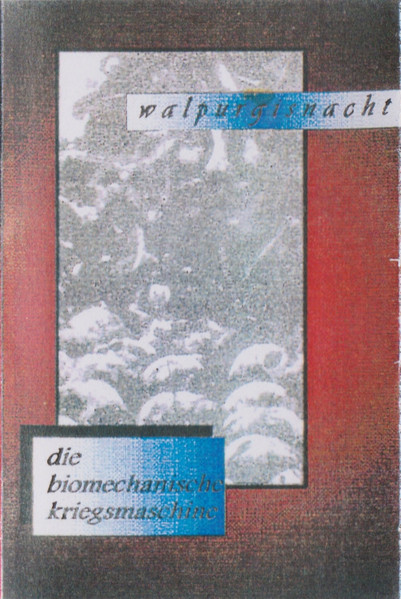
Despite the boldly futurist title, this demo tends to shift between minimalist electronica and more typical fantasy ambient. Stylistic qualms aside it’s a wonderfully realised work that, if you weren’t aware of the vintage, feels more like a product of the dungeon synth revival. The playing is tight and these musicians clearly knew how to handle their gear; there being none of the twee clunk rife across the rest of this list.
Forest Silence: The Third Winter (Hungary, 1997)
dark ambient
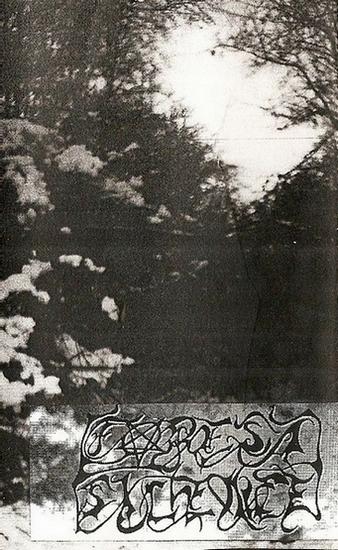
A dark ambient project in black metal clothing that eventually pivoted to metal proper after this demo. This is a game of two halves. The first is suspenseful winter synth that manages to bring more substance to the table than equivalent works from the likes of Paysage d‘Hiver, with an odd rattling sound clearly designed to mimic the haunting calls of animals within a vast forest, gradually coalescing into a more orchestral affair. The second half goes in a more abstract direction, pivoting on minimal noise/industrial before decaying into black ambient complete with some arguably superfluous vocals.
Dargaard: Eternity Rites (Austria, 1998)
darkwave
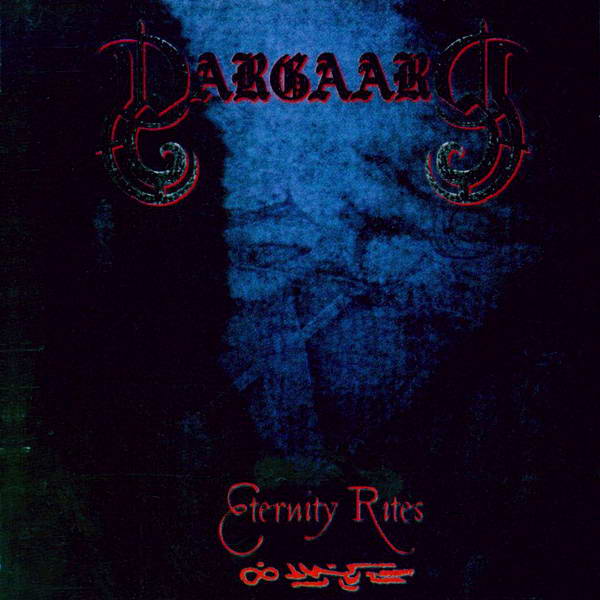
Another loose orbiter of the Austrian black metal scene, this gem of a darkwave project would eventually go in a more orchestral direction but still heavily informed by traditional song. On their debut we find a much darker entity, opening with pulsing, minimal industrial and spoken word poetry told through distorted black metal vocals. But the album quickly opens out into elegant folk episodes both instrumental and lyrical, all bound together in a strikingly mystical atmosphere, the perfect soundtrack to the fantasy literature from which this band drew their name.
Paysage d’Hiver: Die Festung (Switzerland, 1998)
winter synth
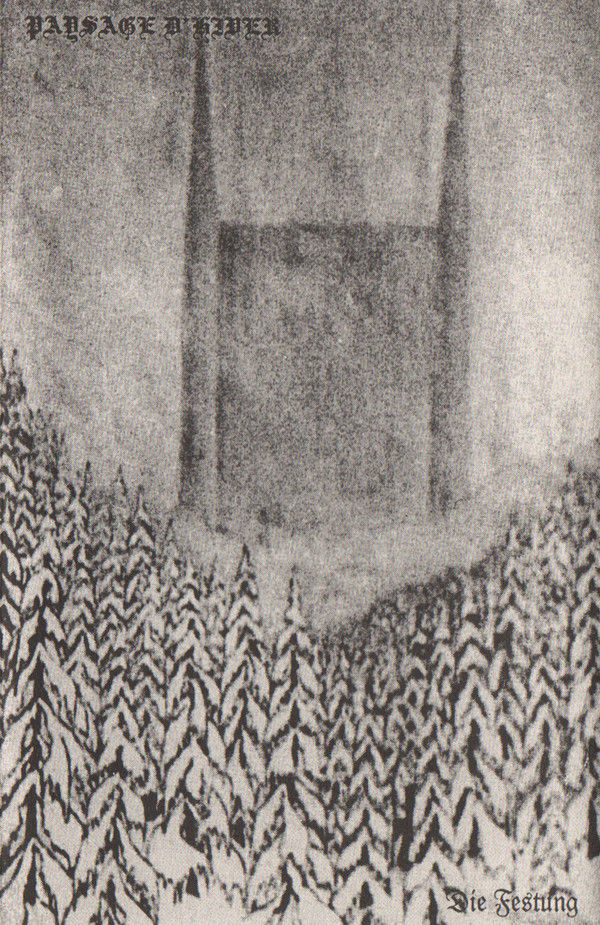
I’ll just say it, Wintherr’s strongest medium is black metal. Although his projects clearly sit on the ambient side, whenever he pivots into ambient proper the results, although undeniably atmospheric, fall a little short of what we know the genre to be capable of. As an arranger and developer of ambient black metal monoliths, especially under the Paysage d’Hiver banner, he remains an intriguing prospect, able to conjure longform odes to winter that capture a sense of overwhelming solitude far more effectively than most. Here we see an elegant slab of winter synth, but one that fails to distinguish itself without the walls of distorted guitar noise this project is better known for.
Anger of Gods: Barbarian Whorship (Germany, 1999)
medieval/fantasy ambient
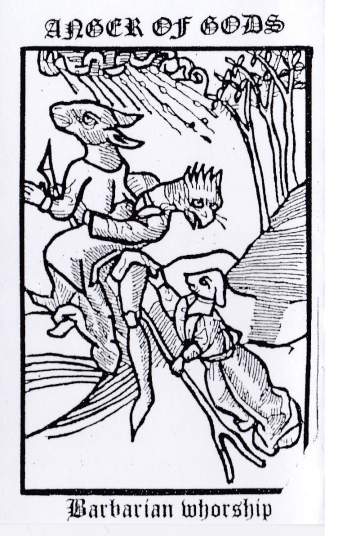
Another B.S.o.D vehicle, showing his more bombastic side, as orchestral keyboard lines work through pieces clearly emulating the epic scope of film scores. Aided by the rough quality of the recording, giving it a submerged, ancient feel. True to form across many B.S.o.D projects, not least his flagship endeavour Grausemkeit, it veers quite happily between black metal gestures and pure ambient, with programmed drums and distorted vocals working in neat contrast to the symphonic regalia.
Trollheim: Im Heidenwal Elfgaards (Germany, 1999)
ambient
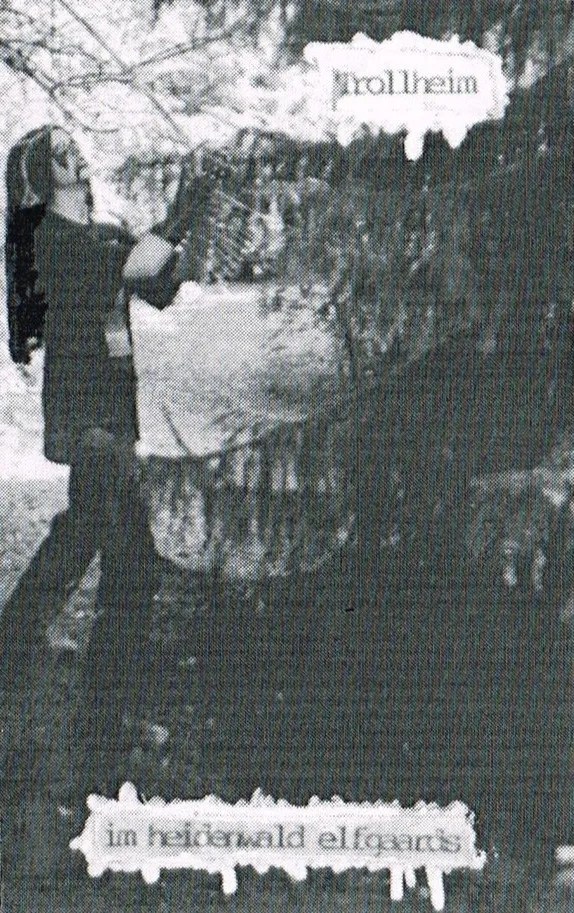
The final B.S.o.D. entry on this list, and perhaps to modern ears the most typically dungeon synth offering. Rather than the tightly arranged Anger of Gods and the looser ambient of Opferdolch, here we get solitary keyboard lines apparently recorded in one take, pivoting most obviously on a harp tone working through hypnotically repetitive minimalist folk, this offers a neat mirror image to Burzum’s ‘Hliðskjálf’. Refreshingly (to modern ears at least), the use of silence creates a sense of tension despite the meditative posture of the music as a whole.
Kreuzweg Ost: Iron Avantgarde (Austria, 2000)
martial ambient/industrial
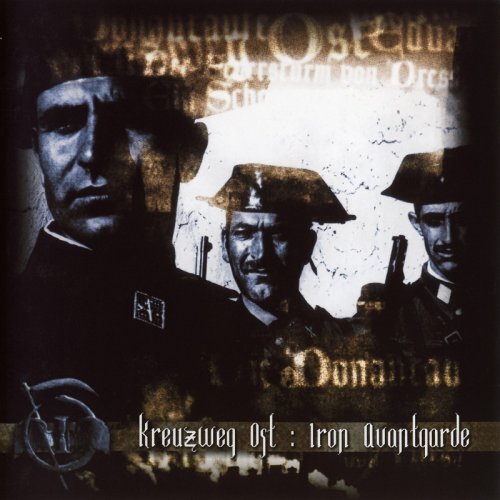
Far from the obvious extension to the Summoning world represented by Die Verbannten Kinder Evas, this Silenius side project will be a troubling prospect for anyone expecting more of the same. For this debut he collaborated with none other than Martin Schirenc of Pungent Stench fame. Derived from martial ambient, the music is constructed almost entirely from wartime samples, including the musical loops themselves, resulting in a listening experience defined by anachronistic whiplash. It’s been some years since I’ve spent time with this project, and although subsequent albums are more listenable, this remains a bizarre monument of sound archaeology, a work of pure experimentation that stops at nothing to tease out its findings with no regard for musical etiquette.
Eastern Europe and Russia
Given the sparse, longform approach adopted by many Ukrainian and Russian black metal artists, it’s hardly surprising that many took the plunge into pure ambient. But a few of these releases deviate more into a folk synth direction that would now be understood as dungeon synth, articulated perhaps most profoundly by members of Nokturnal Mortum. That, along with some additional oddball edge cases makes this is a small but curious pocket of experimental not-metal.
Rajfajh: Спонтанность/Spontaneity (Russia, 1995)
ambient/industrial
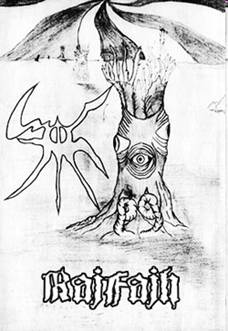
It’s debatable whether this release aligns with my thesis, but across this expansive industrial cum ambient improvisation there is much crossover with acts like Mordor and indeed some of the works later associated with dungeon synth. Patches of conversational guitar improvisations do eventually step aside for lengthy electronica passages, creating space for minimalist keyboard lines to weave their way atop synthetic drum patterns, creating an eerily ancient atmosphere despite the oddly futurist raw materials.
Cthulhu: Ph’nglui Mglw’nafh Cthulhu R’lyeh Wgah’nagl Fhtagn (Russia, 1996)
dark ambient
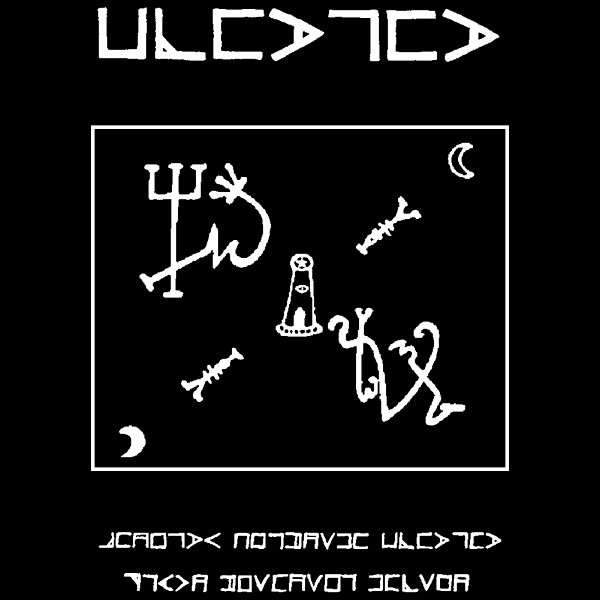
We may balk at the rather cliché concept material, but this Lustmordian dark ambient project from members of Blackdeath is far more evocative of ancient beings beyond our comprehension than the majority of “Lovecraftian death metal” sloshing about the scene these days. A lurking, arcane weight sits behind this expert display of textural manipulation, one that maybe anticipates more recent dark ambient projects like the Cryo Chamber collaboration ‘Dagon’.
Mistigo Varggoth Darkestra: Midnight Fullmoon (Ukraine, 1997)
ambient
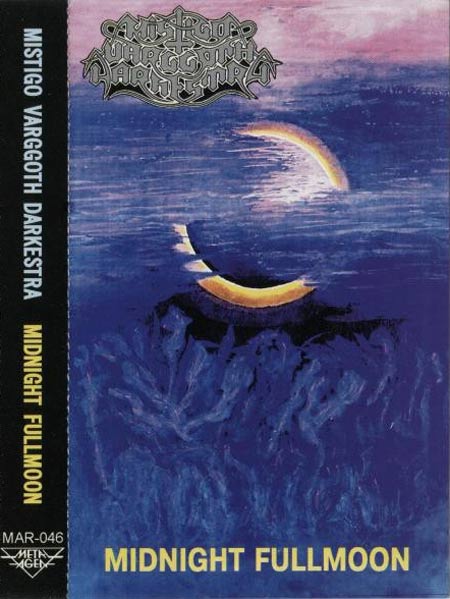
Side project of one Knjaz Varggoth of Nokturnal Mortum fame, I’ll just come out and say that his debut demo ‘Paganism’, for all its modesty, is one of the most transportive pieces of pre-revival dungeon synth going. But this full length outing from the following year carries through a similar spirit. Somehow achieving a degree of primal mysticism, a sense of opulent occasion lacking in other more static works of nostalgic melancholy. The synth patches may be a little dated, but they manage to bridge the intimacy of folk instrumentation with the captivating ambient textures articulated across this material. Music that artistically reaches well beyond its means.
Munruthel: Явь, Навь и Правь (Ukraine, 1997)
ambient/neofolk
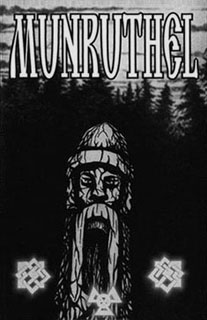
Former drummer of Nokturnal Mortum who apparently left due to personal clashes with Varggoth. This is a chunky album to contend with, consisting of two sides exploring summer and winter. Munruthel was chiefly concerned with localism, our relationship to the land, ancestry, and to the extent that this is still a synthesised work this comes across. The demeanour of this music is very much attached to the environment. He was also a student of melody, an interest that is fully articulated in this material. The scene is well landscaped with rich ambient textures, onto which are painted delicate melodic lines, some meandering and panoramic, some intimate and fleeting.
Bachus: Orgy (Belarus, 1998)
ambient
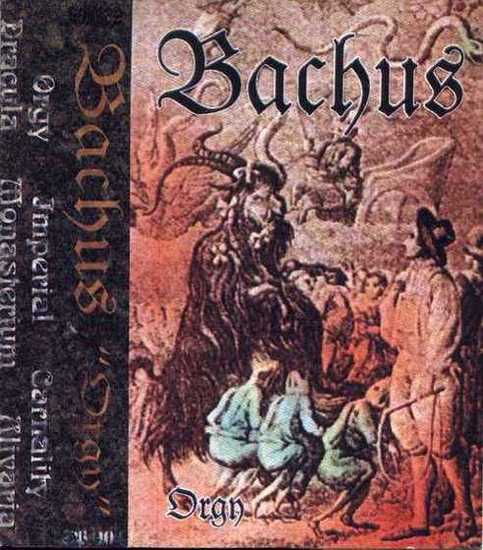
Dreamy ritual ambient in the mould of Summoning. This brief demo definitely belongs in the story of pre-revival dungeon synth, at least for the moods it evokes if not the techniques deployed, which are best described as drum machine driven black metal without the guitars. Clunky, rough and ready, the oddly out of tune synths buried in static are reminiscent of Yamatu, and only elevate the delivery of this material as another half realised dispatch from a fantastical land out of time and substance.
Black Harmony: Star Blizzard (Ukraine, 1999)
ambient/post punk
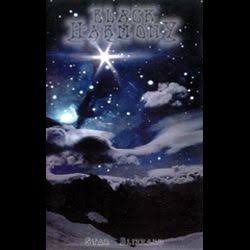
This bizarre project from members of Knell offers a concoction somewhere between post punk and black ambient. Unlike much of the material on this list, it’s a highly polished release, to the extent that it feels sterile, with programmed drums coming across as almost deliberately mechanical. Shaky, out of tune vocals stand in stark contrast to the delicate perfection of the melodic synth lines. The result falls flat more often than not, but as an odd outlier in this ecosystem it is definitely worth spending time with.
Udumbal: Ahi Budhnya (Belarus, 2000)
ritual ambient

Unlike a lot of black ambient that simply extends the intro/interlude window dressing of black metal albums into extended pieces, this curious album attempts to strip the riffs out of black metal whilst retaining the atmosphere. Although guitars do crop up eventually, the mechanistic delivery leads one to suspect that this is one of the few artists to be directly influenced by Ildjarn at this time. The result bridges the gap between Beherit’s uncanny accord between the arcane and the futurist, and the haunting occultism of Black Funeral. A challenging work but one that any black metal fan worth their salt should be at least academically curious about.
Hate Forest: Ritual (Ukraine, 2001)
ambient
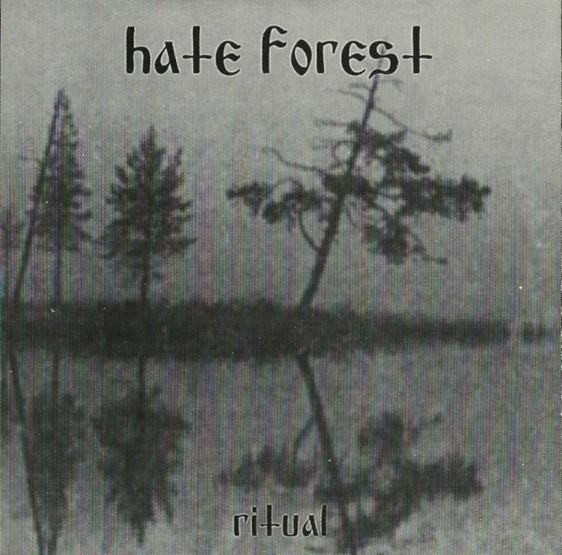
It was debatable whether to include this since it falls out of scope, but Hate Forest are such a towering figure in third wave black metal that their brief lapses into pure ambience deserves a footnote. Hate Forest’s reputation for atmosphere is renowned, and despite the fact that this short demo is maybe not their most immersive work, the tension created by a slow timpani hit over sparse sound effects followed by a sprawling, simple guitar line is open ended enough to grab the attention, and perhaps comes from a more nuanced place than the bombastic full lengths that followed.
France
Ah France…so often the disruptor within extreme metal subgenres, in keeping with a centuries long tradition of artistic flamboyance. Naturally this list is dominated by the infamous Les Légions Noires group, a kind of “level two” for fledging black metal fans who have completed Scandinavia. Although the set is quite well known today, they were notoriously obscure and secretive during their years of activity, Mutiilation being the only one to graduate into full length terrain, the rest limited to demos circulated to a select few. I’d speculate, due to the reckless abrasiveness of the music, that the majority of commentators namechecking this network today are more enamoured by the idea of what Les Légions Noires were capable of more than their actual output. As a scene intent on musical and aesthetic extremity gradations beyond their Norwegian counterparts, once you move beyond the relatively slick Mutiilation, the material is borderline impenetrable. Even more so if we veer into the black ambient borderlands explored below.
Puritas Virginum: Esprit Impur (1992)
dark ambient/noise
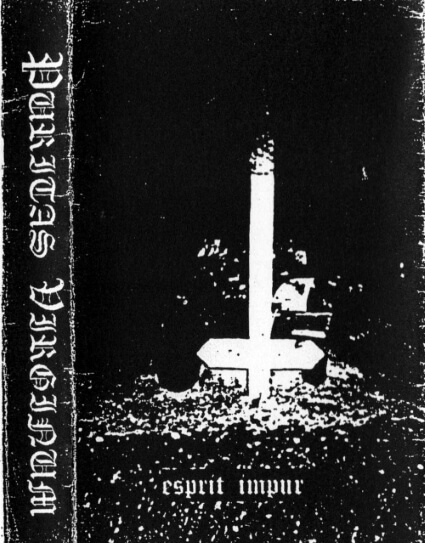
Somewhat predating releases from the Les Legion Noires, this early intervention of black drone feels like an act of deconstruction before the process of construction itself. Random threads of guitar noise, some oddly bright synth passages, and raw black metal pieces so submerged in static that they might as well be treated as noise tracks, this menagerie of the obscure feels very ahead of its time.
Moëvöt: Abgzvoryathre (1993)
dark ambient
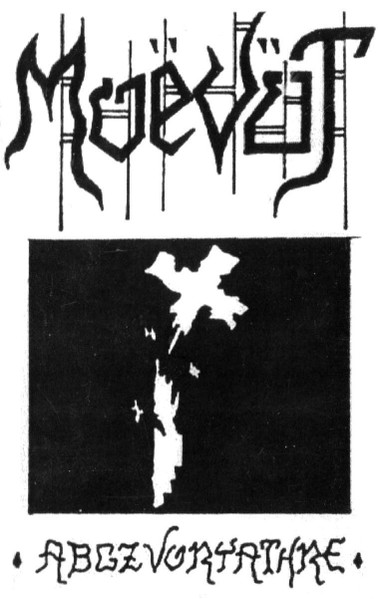
The first of many projects from Vordb Dréagvor Uèzréèvb, a pillar of the LLN circle perhaps best known for Belkètre. As with many peripheral releases from this already rather peripheral scene, it probes at the essence of black metal whilst eschewing a broadly metallic approach. Sure guitars, bass, and vocals all arrive as expected, but none are delivered with the focus and rigour of a metal track, and all are free of drums. The result is an oddly empty and penetrating release that addresses the listener with a deeply disconcerting directness. And, as with a lot of material from this scene, it makes for the perfect soundtrack to silent horror films, as if emanating through a shroud opening up to a parallel reality vailed in shadow, from the deep past, or an alternative history.
Satanicum Tenebrae: Seul (1995)
dark ambient/drone
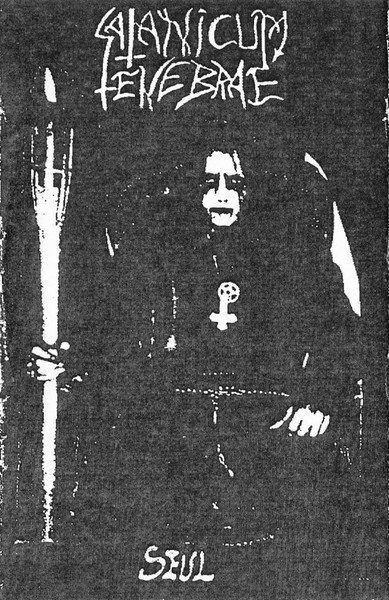
Mutiilation may have been the flagship project of Les Legions Noires (and its most accessible if that counts for anything in this context), but like a lot of this scene, Meyhna’ch started creating other projects that took him just beyond the remit of metal. Here we find a brief collage of depressive defeatism, one that really leans into the romantic spirit of emotional ecstasy alongside a rabid fascination with the occult. Vocal theatre forms as much a backbone as the haunting drone of the guitar melodies.
Dvnaebkre: Dvnaebkre Zuerki Mogoutre (1995)
noise
Another VDU vehicle, this one taking us entirely off the ambient rails into sound art. We essentially get a series of muffled sound effects, as if we are submerged in water or subject to distant reverberations emanating from across a valley. Animalistic, but oddly calculating.
Isildur’ Bane: The Long Moonless Winter (1995)
fantasy ambient
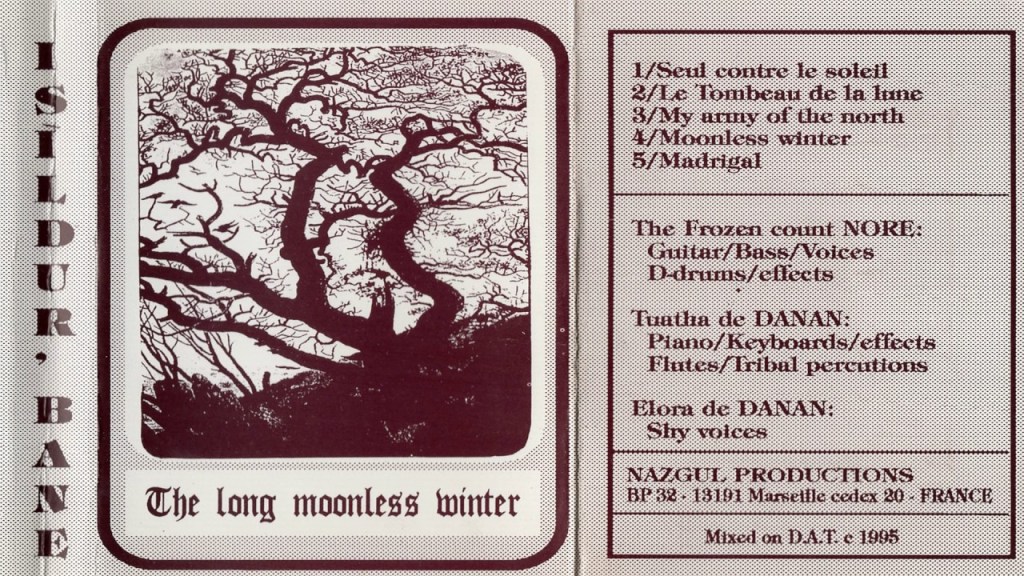
The one YouTube version of this I could find claims to be a cassette rip from a copy purchased from the original band members themselves, for a hefty price. Beyond that not much information is available. Despite the obscurity, this demo proves much more palatable than anything linked to LLN. This would essentially be understood as dungeon synth (or more accurately fantasy ambient) in this day and age, with a black metal interlude segmenting the first half of the release, but this is raw and incoherent enough to be considered an extension of the adventurous ambient qualities as opposed to an example of pure black metal.
Vzaéurvbtre: Aux confins de l’errance (1995)
experimental noise
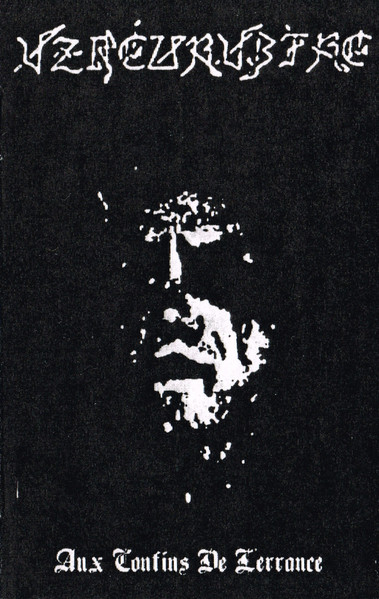
Absolutely mad stuff from LLN. Here VDU teams up with one Wlad Drakkstein (of Black Murder fame) to create seventeen minutes of musical decay. I try to shy away from hyperbole, but I think I did hit a wall with this one. Even the hardiest raw black metal connoisseur may struggle to get through this brief demo intact. Distorted vocal experimentation is accompanied by what sounds like the detritus of song forms (sea shanties, nursery rhymes) pulled apart and reconfigured into ruined forms of life begging for the end.
Aäkon Këëtrëh: Dans la forêt… (1996)
ambient
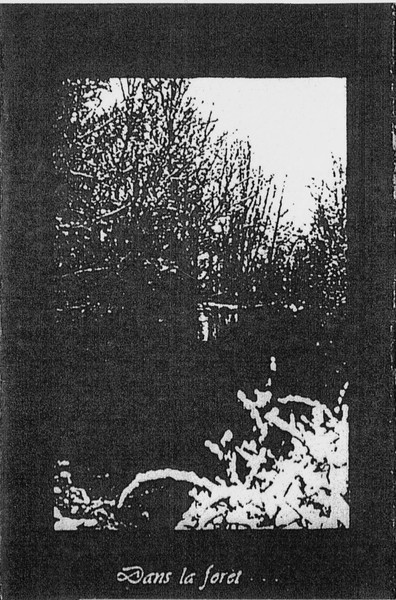
The other half of Belkètre, this more explicitly ambient project is perhaps the closest LLN got to classical dungeon synth. This well loved demo of untitled tracks consists of synth drones and minimal guitar melodies, evoking a dreamlike habitat through which to wander. Despite the obvious melancholy, it is not militantly tragedian, reaching for an odd sense of catharsis in places, especially within the context of what Aäkon Këëtrëh’s contemporaries were up to at the time.
Torture: Torture (1996)
ambient/noise
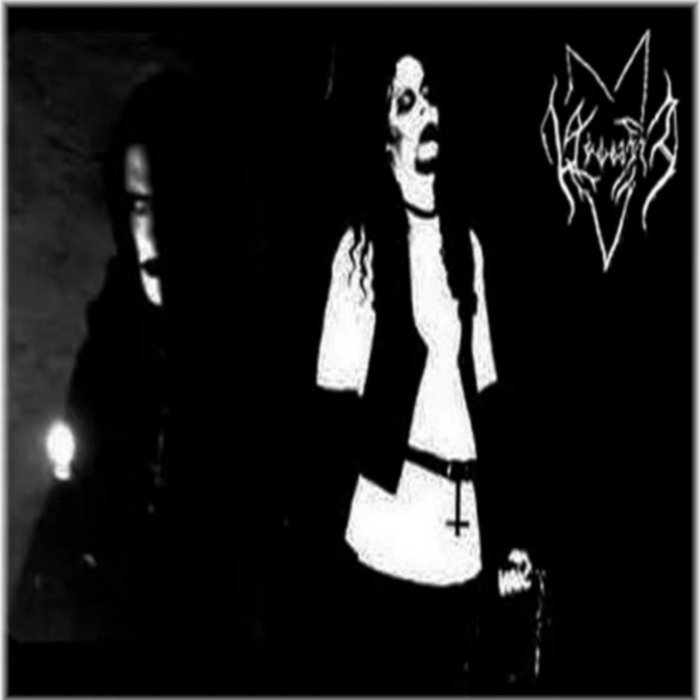
The jury’s out on this pre-internet meme of a demo. Part minimal dungeon synth, the lilting tone of which is not without merits, the rest is a fake recording of someone being tortured, with various grunts and moans punctured by the scraping of metal and the turning of cogs. Whether this was a sign of LLN running of gas in the sincerity tank, or a genuine piece of experimental theatre will all depend on how you wish to receive it. I for one appreciate it as an outlier of black ambient noise art, one that has every right to be included in any conversation on black metal’s hinterlands. If you’ve come far enough to encounter this demo you would presumably be on a mission to “seek out new life” as it were, well, per Picard, “there it sits…waiting”.
Amaka Hahina: Demetria (2001)
dark ambient
From the mind of Lord Beleth’Rim, another stalwart of LLN and one of the minds behind the Torture demo as well as Torgeist, this solo enterprise only began putting out material after the circle disbanded. This first demo offers minimal dark ambient with supressed spoken word narration in the black metal style. The delivery is understated, which only enhances the minimalist quality of this material, like a lurking dread that goes unacknowledged due to its liminal nature until it’s too late, and menacing darkness takes hold.
Latin America
This part of world is perhaps most associated with blackened thrash, having all but invented the genre in the 80s. Alongside a dirtier variant of black metal through bands like Xaibalba and Mystifier and much material still heavily informed by classic metal trappings, it’s hardly surprising that any connection to ambient would be somewhat weaker. That being said, where French artists sought to plummet the depths of horror, there is a degree of lawless theatre stretching across the vocalisations, noise experiments, and apparently improvised material that marks these disparate releases out from anything else in this list.
Abaddon: Glorifier of Satanas – Denier of Adonai (Brazil, 1994)
dark ambient/drone
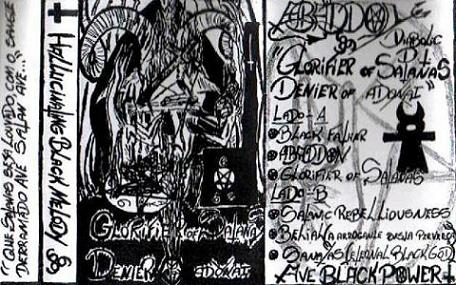
This demo stretches to almost an hour in length, in this, and the tortured vocals, one could make comparisons to early Abruptum. But the metallic DNA behind this music draws more from speed metal still going strong in much South American black metal. But this is supplemented by lengthy spacious sequences of black doom, eventually aided by rudimentary percussion and some droning synth lines. In this it makes for a neat answer to equivalent releases from France, but I doubt the LLN set would have been interested in curating such a wealth of material into a single dump, instead favouring tantalisingly brief glimmers across myriad demos and projects.
The Unknown…: Sainceixty Noise (Mexico, 1995)
noise/drone
The raw materials of black metal – drums, guitars, vocals, keyboards – repurposed into a piece of noise art. There are moments one could characterise as discernibly musical, as if coming into being from the primordial soup only to disintegrate back into nonsense. But for the most part this demo is half an hour of improvised experiments around fragmented ideas, at times compelling, at others probably more intriguing to perform than to listen to. This makes for a neat companion piece to Abruptum’s more infamous tomes of black noise regardless.
Mjölner: Doomicus Trip (Chile, 1996)
ambient/folk
The debut album from this Chilean solo outfit is an edge case. Essentially an ambient black metal album sans percussion. It draws on the ambient theatre of Lustre, but with a greater sense of adventure and jeopardy. It tends to oscillate between ritual, narrative, and more direct singalong moments (including a cover of ‘Song to Hall Up High’). In its attempt to knit extended guitar melodies into distant synth lines it is undeniably in keeping with the thesis of this list, even if it wanders more widely in style and ethos.
Funereal Moon: Beneath the Cursed Light of a Spectral Moon (Mexico, 1996)
ambient/performance art
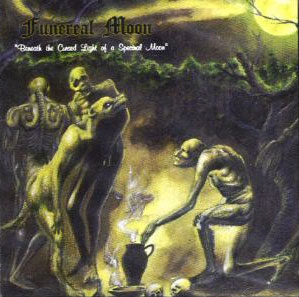
Here’s a good example of materially minimal but performatively maximal ambient. Musically, aside from some synth tones there is not much to sink the teeth into. But furnished with such an eccentric vocal performance, and liberal sound effects that bookend each phrase, we get this piece of opulent, ritualistic theatre that really makes us feel like we are witnessing an event of great significance. Despite the obvious ambient qualities, it is not a piece suited to throwing on in the background, demanding of the listener that they follow its various peeks and troughs as it creeps through myriad episodes of dark drama.
Northern Europe (exc. Norway)
Abruptum: Obscuritatem Advoco Amplectère Me (Sweden, 1993)
noise/drone
The first Abruptum experiment has certainly earnt its place in this history, if for no other reason than opening the door that many others walked through. Where once I found the excessive length of this material somewhat showy, now it forms part of the artistic statement itself. Enduring nearly an hour of random drum ejaculations, odd vocal flexes, and droning guitar/synth noise may not sound like a great feat in the context of this list of musical oddities, but the sheer crush of the runtime should give one pause before deciding to throw it on. Back in 2018 I compared it to Painkiller’s ‘Buried Secrets’, an equivalence I heartily stand by despite the dodgy wording of my review at the time.
Beherit: Electric Doom Synthesis (Finland, 1996)
dark ambient/electronica

The second entry in the famous dark ambient period from this pillar of Finnish black metal. The first, 1994’s ‘H418ov21.C’ is a pet love of mine despite the ire it tends to draw, but there’s no denying that Marko Laiho really stepped up his game here. More than any other black metal artist he found a way to incorporate a fully realised statement of electronica, but one that carries through the spirit and atmosphere of his black metal self. It’s maybe for this reason that a lot of metalheads don’t engage with these albums in the same way they do other ambient sojourns from his contemporaries, it challenges the listener to address a textural and timbral journey outside of their usual wheelhouse. But in stepping back from the specifics, a world every bit as uncanny, incongruous, and lived-in begins to emerge, a fundamental expansion on the statements made across ‘Drawing Down the Moon’ despite the superficially leftfield choices in style and instrumentation.
Valar: The Arrival of the Dragonlord (Finland, 1998)
fantasy ambient
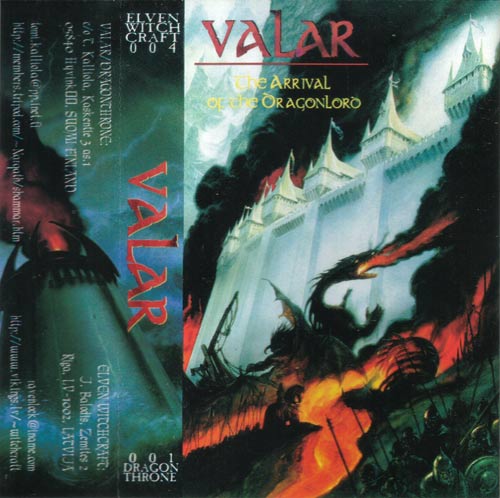
Although now incorporated into the history of dungeon synth, this music looks more like a product of the film score tradition, attempting a pre-Peter Jackson soundtracking of Tolkien’s world, one complementary to, but highly distinct from, what Summoning were doing at the time. This is hyperactive synth driven music, derived from folk and orchestral music as much as black metal. In its totality raising far more talking points than ninety percent of “post revival” material.
Fjelltrone: Skogens ande (Sweden, 1999)
ambient/folk
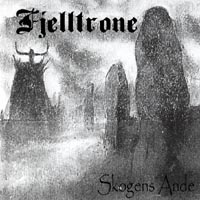
Comparable to Burzum and perhaps Mortiis of the same era, the debut from this solo Swedish outfit ties together many of the more common elements now expected of dungeon synth, but ranges over a broader musical terrain across its runtime. From more orchestrated synths to the percussion led ‘Vintermånens land’, it’s clear this artist had a handle on the nuances of composition and arrangement as well as the technical ability to piece it together. The result may be modest by today’s standards, but looking back to contemporary releases this is a remarkably polished accomplishment, one that sadly failed to make the same impact as albums tied to the bigger names within the black metal scene.
Pimentola: Hämärän seppele (2000, Finland)
symphonic ambient
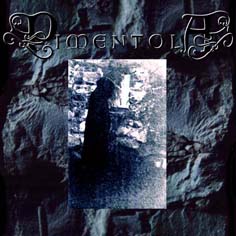
Essentially a piece of instrumental symphonic/folky black metal, this one gets a pass simply because the guitars are almost incidental to the keyboard led music, adding muscle where required but never dominating the music. The bouncy, flamboyant style is adjacent to some of the cheesier iterations of symphonic metal, but taking the time to flesh out the melodies via intricate keyboard work focuses the attention, the lack of vocals lending all a degree of intangible sincerity that one can’t help but be charmed by.


Leave a Reply