What does the metalhead do on their day off and why is it ambient? I listened to all the “black ambient” releases from the 90s to find out.
In Part I we ranged through Central Europe, taking in the Austrian syndicate, on to the bonkers peripheries of France’s already bonkers Les Légions Noires, and pockets of life in the surrounding Fauna of Northern European and South American black metal. For Part II we take on perhaps the biggest names in black metal adjacent ambient in Norway and the US, but also some of the most obscure, hiding in tiny alcoves across Southern Europe and Poland.
Barring some anomalies, in stepping so far outside of metal, it’s remarkable that regional differences are still very discernible here. With Norway favouring more bombastic and melodic statements, Poland and Southern Europe oscillating between folk and pre-revival dungeon synth, and the US diving headfirst into experimental ambient/noise and darkwave. As with the material in Part I, the lasting impression this leaves is one of unfinished business. This was a clear attempt to interrogate how far black metal could take us beyond metal itself by removing the metal entirely and carrying on into the woods, but in most cases, either through pressure or genuine desire these artists were pulled back to creating metal again, leaving nothing but these tantalising statements of avant-gardist intent in their wake.
(As a quick health warning, here be Nazis. Not ambiguous dog whistle Nazis or out of touch musicians doubling down on social media, but old school goose steppers. Engaging with their music may cross many people’s personal moral boundaries, but their work forms an important part of this history that would be disingenuous to ignore.)
Norway
Although retrospectively tied up in the story of dungeon synth, the ambient alter ego of the Norwegian black metal scene looks more like after hours fun for these guys. With the exception of Håvard Ellefsen’s many projects alongside the Mortiis flagship, and of course Varg turning to keyboards in prison, whether it’s Fenriz’s love letters to the Berlin school or Ihsahn repurposing the pre-Emperor Thou Shalt Suffer project as a neoclassical drawing board, these musicians just seemed to be taking joy in exercising their musical brains in a different context. Dungeon synth owes a lot to this material, and although the genre is clearly split between its pre and post revival forms, a similar case could be made for Nordic folk pre and post its modern popularisation via Wardruna et al., with some of these artists offering wonderful glimpses into its relationship to black metal.
Mortiis: The Song of a Long Forgotten Ghost (1993)
ambient
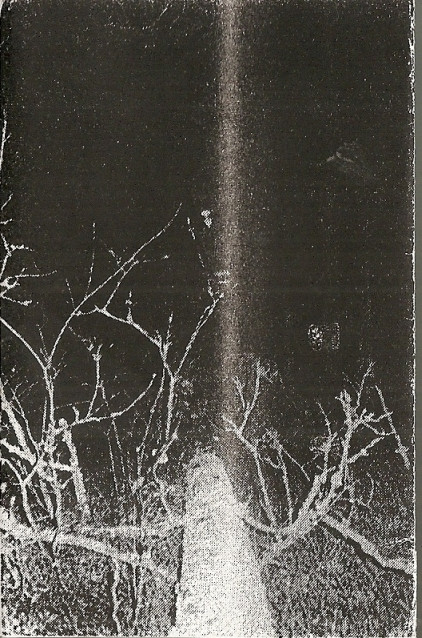
In many ways summing up what ambient represented to these musicians in the 90s. Namely a way to live beyond one’s means as an artist. The dated synth patches, the dodgy musicianship and the overall sparsity of the presentation, none of it matters if the listener is willing to suspend their disbelief and paint between these cracks. A flimsy product no doubt, but the inherent value behind Mortiis’s leftfield trajectory after leaving Emperor has since been properly contextualised.
Neptune Towers: Caravans to Empire Algol (1994)
ambient
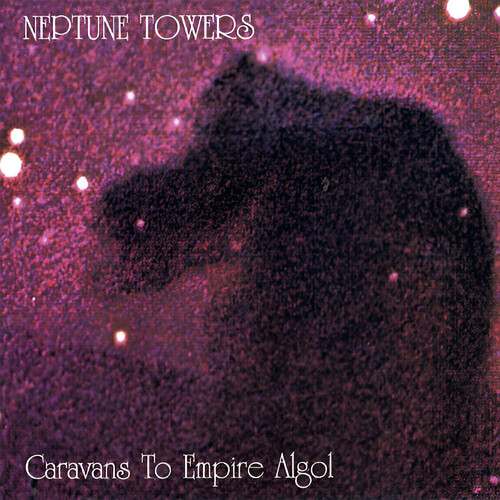
Fenriz may be a basic metal daddy these days, but in the mid-90s he was actually a rather eclectic character. Driving Darkthrone from the heady death metal of their debut to the trance metal experiments of ‘Transylvanian Hunger’, to his now disavowed folk metal project Isengard, and this piece of fan service to Berlin School ambient. The sleave notes in Peaceville’s 2012 reissue also offer a curious glimpse into his love of 70s cosmic ambient.
Fata Morgana: Fata Morgana (1995)
ambient
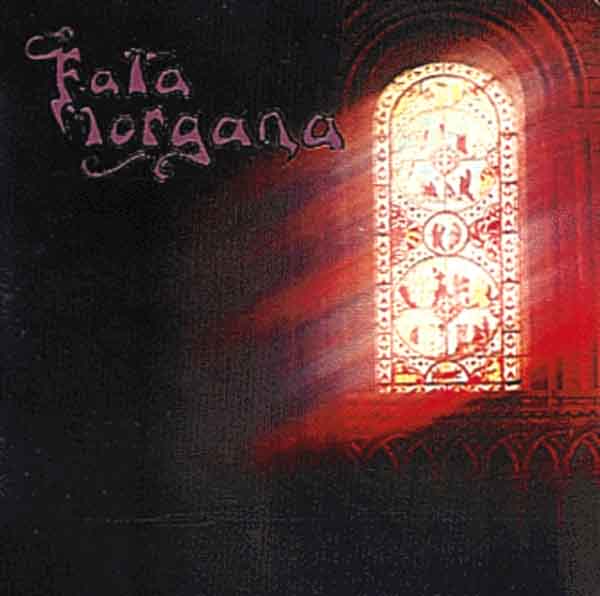
Another Mortiis vehicle, these tracks were released under a different moniker simply because they were deemed too light and shortform for the direction Ellefsen was taking the Mortiis project at the time. Listening back that much is clear. A dreamy, wistful medievalism remains, but the touch is fairylike, the rhythms delicate, the mood yearning rather than questing. What shines through most clearly however is Ellefsen’s development as a musician and arranger since the earlier Mortiis material, as gradations of complexity creep in when compared to ‘The Song of a Long Forgotten Ghost’.
Wongraven: Fjelltronen (1995)
ambient/folk
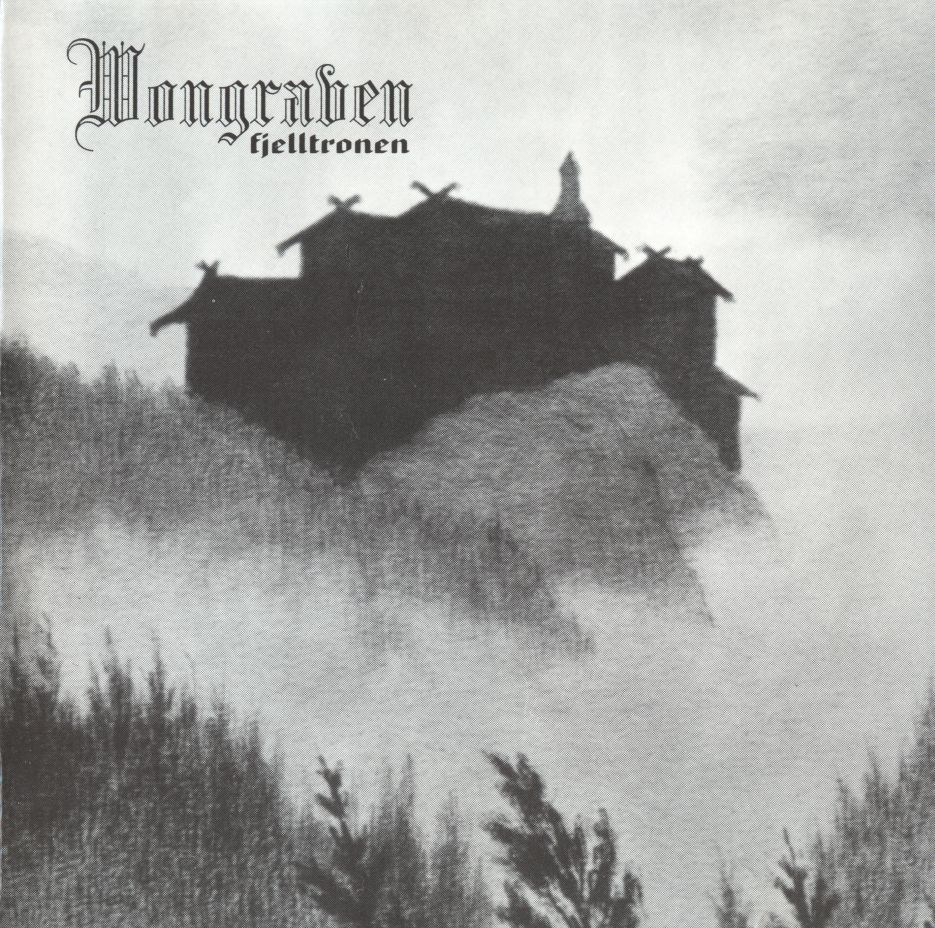
Written in conjunction with Satyricon’s first two albums, and recorded at Waterfall Studios shortly after ‘The Shadowthrone’, ‘Fjelltronen’ works best as a kind of expansion pack to this material. More active and musical than a lot of modern dungeon synth, Satyr is able to convey a sense of wonder, adventure, and theatre with relatively modest means, aided by his not inconsiderable talents as a clean vocalist.
Ulver: Kveldssanger (1996)
folk
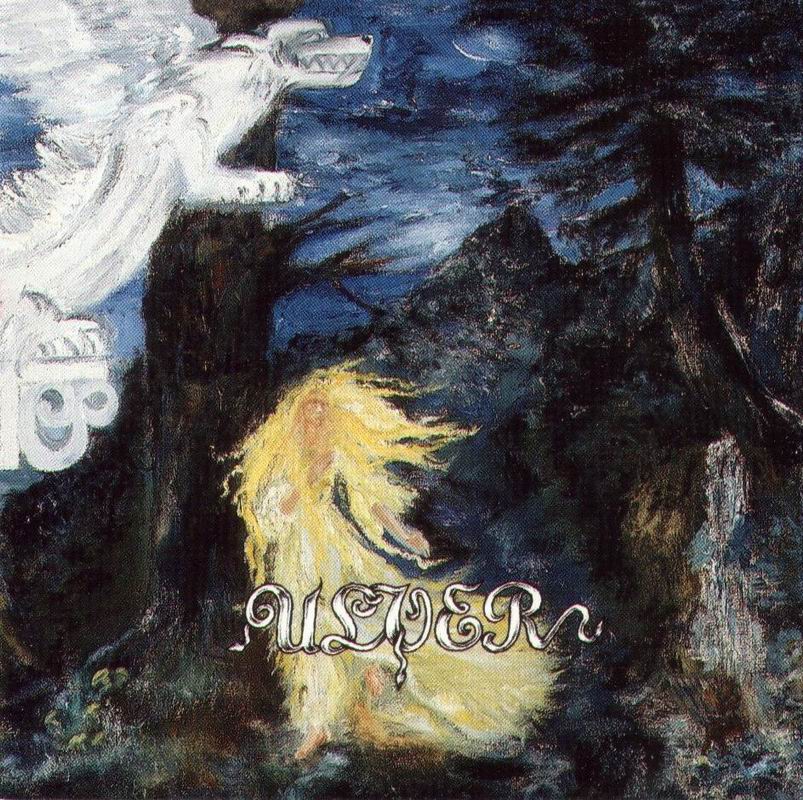
It would be wrong not to include this elegant folk album on this list, not least because albums like this (and Tenhi’s discography) offered a decent counterweight to ambient, prior to the Nordic folk boom brought on by Wardruna and later Heilung. Atmospherically aligned to black metal, but reflective and static by comparison, the simple setup of acoustic guitars and clean vocals offers the metal musician the opportunity to exercise a degree of delicacy and restraint they would otherwise not be afforded in the maximalist world of metal proper.
Ildjarn: Landscapes (1996)
ambient
Ildjarn is my secret favourite of the Norwegian set (hardly surprising given the name of this blog). But he is most certainly not for everyone. His approach to music is not so much purist as obsessive. Aggressively minimalist, harsh, repetitive, almost robotic. His ambient work – without his collaborator Nidhogg at least – follows a similar theoretical mould despite the superficial contrasts. A vast, sprawling, relentless drone, evocative of the euphoric boredom that comes with traversing wide open spaces in nature. For nearly a decade I held the dubious honour of being the only user to review this on Metal Archives, my oddly centrist take is now overshadowed by the usual polarising of opinions when it comes to this unique musical mind.
Vond: The Dark Rivier (1996)
ambient/electronica
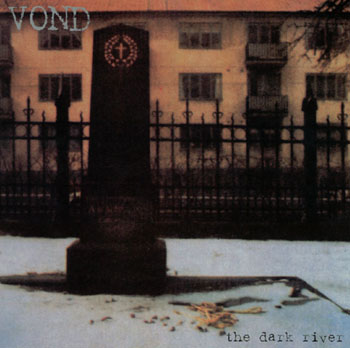
Another Ellefsen vehicle, whilst 1994’s ‘Selvmond’ was a dark ambient exploration of suicide, again deemed ill-fitting under the fantastical Mortiis brand, the follow up ‘The Dark River’ is a more active piece of electronica in the mould of 80s era Tangerine Dream or even John Carpenter. Technical glitches abound however, with programmed drums failing to line up with the synth sequencers, and choppy piano accents delivered with oddly awkward timing. But all par for the course for Ellefsen’s work at this time, and none of it dulls the lavish brushwork of this hyperactively creative individual.
Cîntecele Diavolui: The Devil’s Songs (1996)
ambient/darkwave
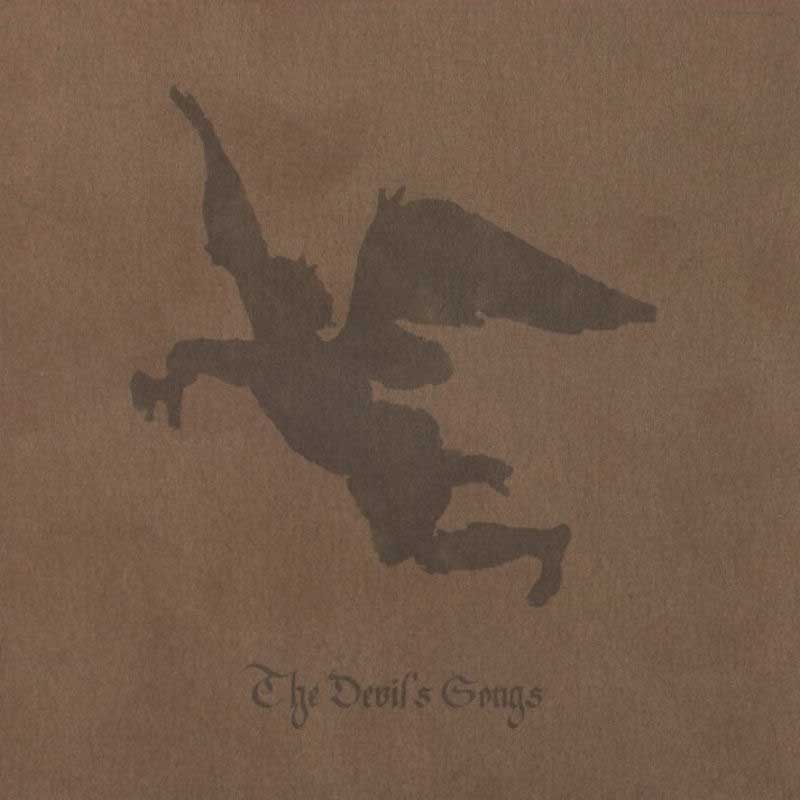
Ellefsen at his most experimental, this brief project was created as a kind of offcut dump for ideas not suited to his many other projects. The concept being a vampiric narrative homage to Hammer Horror music. Today it comes across more as retro videogame music, but again, delivered with a degree of authenticity and bold creative panache that appears refreshing to modern ears.
Burzum: Dauði Baldrs (1997)
ambient
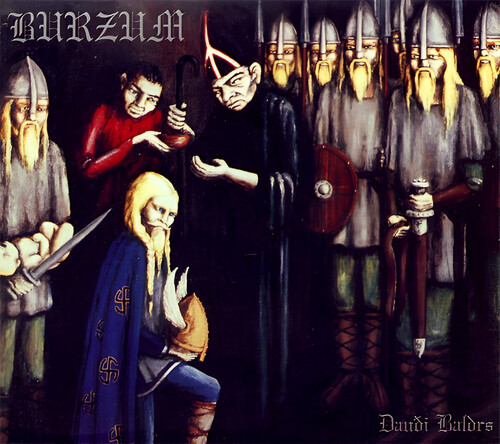
I picked this album over its polished follow up ‘Hliðskjálf’ simply because ‘Dauði Baldrs’ continues to make people very angry and I think that’s interesting. Regardless of the politics, Burzum is not only unignorable in any history of black metal, but also unignorable in the history of dungeon synth for the ambient pieces that litter his early albums, and for this, the first of the prison albums. But unlike his black metal, this is widely regarded to be one of the worst black ambient albums ever made. Cheap equipment, repetitive tracks, ideas that just don’t translate well into this medium, it’s all there even if you ignore the deranged character responsible for this music. But for me, despite the technical shortcomings, this music carries a sui generis quality that can only be found in Burzum even at its lowest ebb. The material shines above the hyperbole, particularly the tracks where Varg strips everything away to reveal his penchant for hypnotic minimalism, specifically ‘Hermoðr á Helferð’, ‘Illa tiðandi’, and ‘Móti Ragnarǫkum’.
Hagalaz’ Runedance: The Winds that Sang of Midgard’s Fate (1998)
folk/darkwave
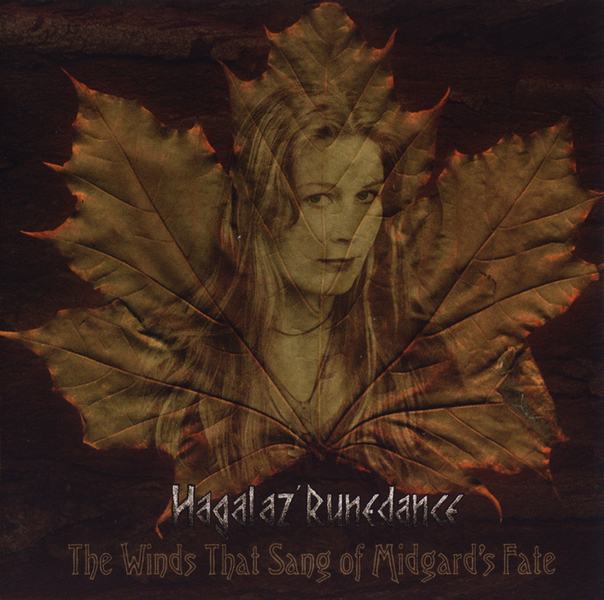
Project of Samoth’s former wife Andrea Meyer, who was tragically murdered in the Kongsberg attack in 2021, this project centres around ethereal folk pieces undergirded by an ensemble of traditional instrumentation supplementing the prevalent keyboards. The album is varied but fluid, oscillating between loose darkwave and tighter vocal led folk songs. Another great addition to the annals of pre-revivalist Nordic folk.
Thou Shalt Suffer: Somnium (2000)
ambient/neoclassical/darkwave
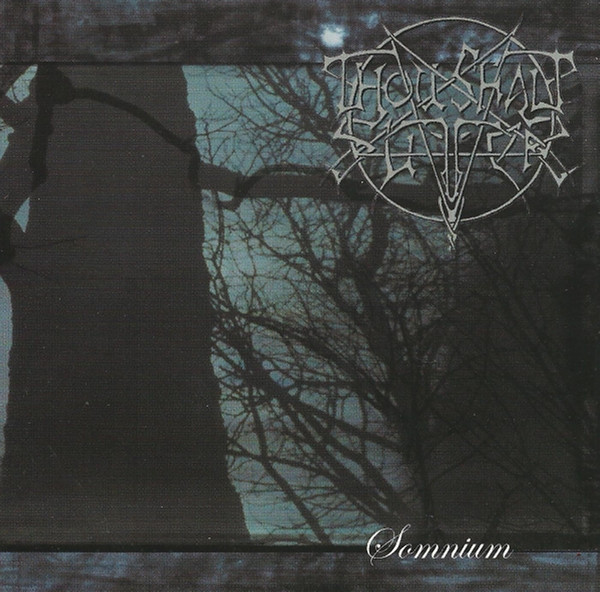
Throughout the 90s Ihsahn decided to repurpose this pre-Emperor death metal project into a kind of keyboard driven sounding board. The culmination of material written over a number of years, released at a time when Emperor were undergoing some dramatic stylistic shifts on ‘IX Equilibrium’ through to ‘Prometheus’. The technical elements are leaps and bounds above the majority of material on this list, as one might expect given the man responsible. The result is an eerie, hyperactive, neoclassical dark ambient oddity that is thoroughly worth exploring for anyone looking for more context around Emperor’s symphonic evolution following their rough and ready beginnings.
Poland
There was something thoroughly captivating about Polish black metal in its pomp. Distinct from the regions surrounding it to the North and South, it married the militaristic swagger of Viking era Bathory with the ethereal, atmospheric brume of Eastern Europe, and of course a fully realised melodic language. These works offer a perfect extension of that universe, some expanding on the neofolkist potential, others giving us a vision of what pre-revival dungeon synth with a Polish twist might look like.
Perunwit: W kręgu dębów (1995)
ambient/neofolk
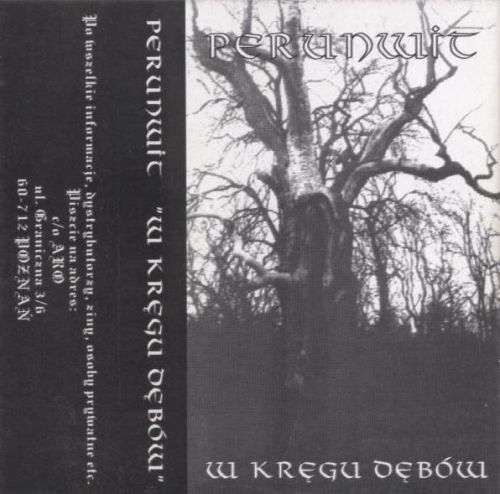
Mixing real instrumentation with synths, this eerie folk album feels like an extended interlude to a black metal album. It exhibits a ghostly, feral energy similar to early Graveland and Veles. The oddly understated delivery, integrating intimate folk melodies with sparse wind samples and echoey, sloganeering vocals, as if calling out across the valleys, makes this a far more atmospheric affair than other explicitly folkist releases on this list.
Lord Wind: Forgotten Songs (1996)
neofolk
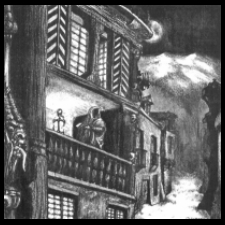
In many ways anticipating Graveland’s shift in direction from ‘Following the Voice of Blood’ onwards, this Darken side project expands on the folky elements of his black metal self. Whilst later works would veer into a more mystical, ethereal direction, here we are treated to an immediate experience, as bouncy, lyrical pieces fit for the beer hall march past the listener. Darken was never interested in ambience to the same extent as his Norwegian counterparts, which is why, despite the inherent atmosphere of this work, the emphasis is always on melody and harmony, and perhaps why this fabricated re-imagining of folk shifted toward a more authentic setup in the late 2010s, with the recruitment of more musicians (Aro of Perunwit being one of them) and a shift away from soundtrack folk to more traditional song. I could speculate on how much this change in direction had to do with the stratospheric popularity of Nordic folk at the time, but I won’t. To my mind, whether by necessity or design, older Lord Wind was very much in keeping with the ethos of neofolk, using modern technology to reimagine what folk music could and should sound like, and ultimately what its role might be in a post industrial context. Even if, no doubt, Darken does not see it that way.
Iuvenes: The Empyrean Call’s of Wolves (1996)
dark/ritual ambient
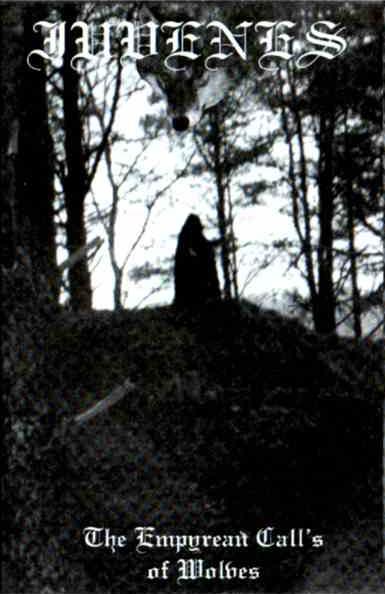
A more warlike version of early winter synth, as tones seem to be selected to deliver a degree of bombastic orchestration. Meaning that even as the music moves like dark ambient, it presents as more active, demanding of the listener a more physical response than simply zoning out to atmosphere. This is furthered by the distant black metal vocalisations, that lend the dark direction of the chord sequences a barbaric flair. In this sense it expands on the unique interludes that furnish an album like ‘Carpathian Wolves’, evoking a hidden menace waiting in the woods and hills.
Wojnar: Jam synem orlim jest na wieki!… (1998)
folk/ambient
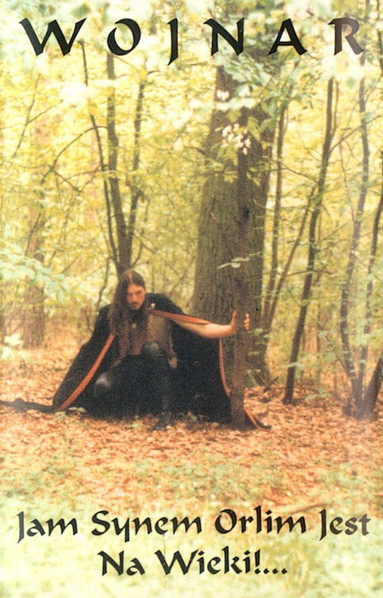
Ambient with gravitas. This album sits on a backdrop of brass driven synth which moves us from one episode to the next, defined by moments of spiking drama as more staccato synth lines announce themselves, delivered literally in the style of a fanfare, with declarative vocals cropping up frequently as if announcing the arrival of dignitaries. In this sense it feels more like a storybook album. The musical ideas, although simple, assert themselves with a degree of confidence that proves immersive, and thus precludes this from being relegated to mere background music.
Blakagir: Nadnarwiańska potęga (1998)
ambient
I would be tempted to call this fantasy ambient (and of course pre-revival DS), but the impression is more reverential, sober, naturalistic than any fantastical implications. Although built entirely from synths (and some programmed percussion), the album moves from film score worthy material to jaunty sing/song numbers, all the while retaining this captivating, dreamlike quality. Some oddly processed spoken word vocals further add to the uncanny qualities of this demo, every bit as a spellbinding as equivalent works from Mistigo Varggoth Darkestra or Wongraven.
Winds of Garden: Demo 1 (1998)
ambient/martial ambient
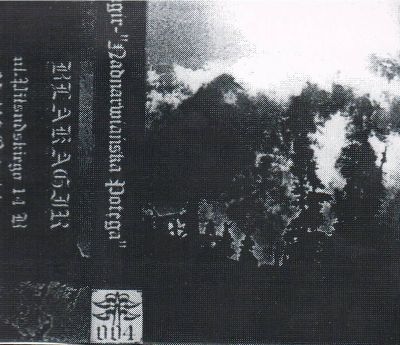
Another project from L.O.N., the same individual behind Blakagir, it’s not clear if this is distinct enough to warrant its own workstream. Maybe more active and percussive than ‘Nadnarwiańska potęga’, but the overarching musical construction is still repetitive, driving synth lines, active and jaunty despite the darkness of the delivery, alongside frequent interjections of chanting vocal eruptions. This again feels like the soundtrack to a story more than it does visual art, a kind of framework for epics handed down in the aural tradition. Or in the modern context it could serve as interlude material for an audio book.
Profanum: Musaeum Esotericum (2001)
neoclassical/darkwave
Profanum were an interesting and sadly overlooked prospect. Initially a synth driven black metal project, they gradually began sidelining the guitars in favour of keyboards deployed as a lead instrument, in a kind of parallel evolution to Summoning. But unlike the Tolkien metallers (at least in their flagship project), Profanum pushed into a more neoclassical, darkwave direction, eventually dispensing with guitars entirely for this turn of the century release. The closest equivalent on this list is Thou Shalt Suffer’s ‘Somnium’ both for the slick presentation and musicality, both outfits showing a clear technical command over the keyboard as an instrument with its own inherent qualities over and above a mere emulator. They use its timbral range to add additional colour to already fully realised melodic scripts. In this sense it lacks the liminal, transportive atmosphere of more amateurish operations, but makes up for this through the sheer novelty and motion of the music itself.
Southern Europe
Greece is one of the few early black metal scenes of great renown to not produce a parallel ambient tradition, perhaps because, for all the atmosphere the key artists were capable of, they, more than other scenes, constructed their music with very clear riff signatures. Despite this, plenty of curiosities abound in the pre-revival dungeon synth and ambient oeuvre, stretching, along with some interesting artefacts from Spain and Italy, from amateur hobbyist projects to more fully realised theatre pieces, and some very slick neoclassical recordings that speak of musicians and technicians very much in control of their tools (a rarity in this ecosystem).
Nashehrhum: Remember the Shining Moons of the Black Autumns (Italy, 1995)
dark ambient
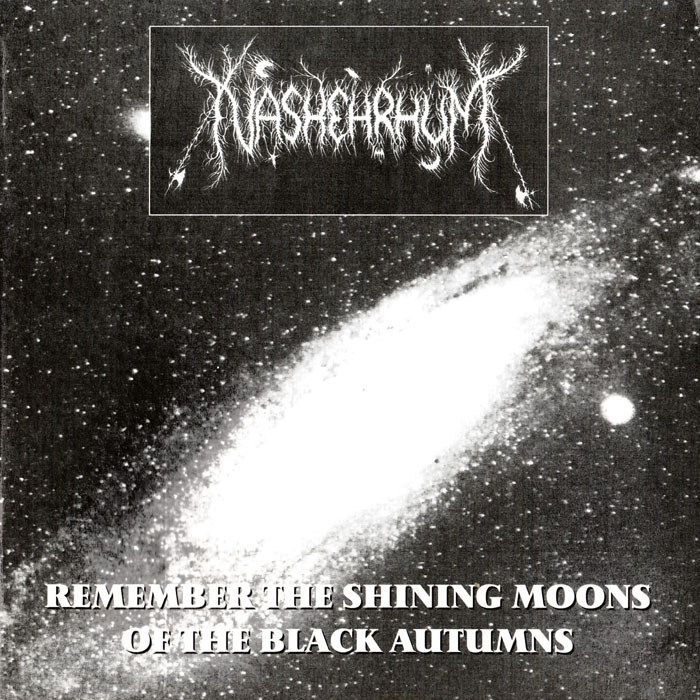
Eerie dark ambient consisting of a single synth line working through tonally ambiguous melodies, alongside extended spoken word narration and some black metal outbursts. One gets the impression they were enamoured with the idea of marrying black metal with a vaguely futurist aesthetic. Despite the stark minimalism of this EP, they were broadly successful in this and, given the vintage, remarkably ahead of the curve. Black metal does set in by the third track ‘Raum the Wind is Blowing from the North’, but keyboards remain the lead instrument, with chaotic, rhythmically lawless drums battering away beneath fuzzy guitar riffs. An oddly sparse, understated work at the material level, but delivered with a rather incongruous melodrama that continues to hold the attention in spite of the jarring technical limitations.
Lord Wolf: The Empire of Blood and Shadows (Greece, 1997)
ambient
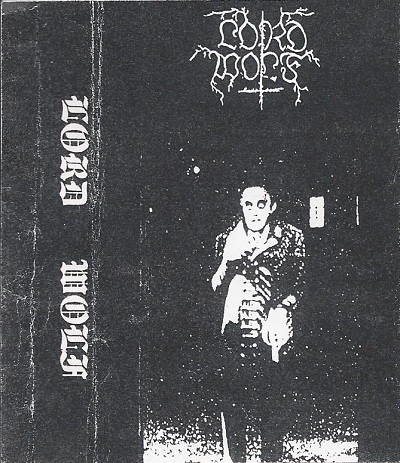
The first demo from this obscure Greek outlier is pretty classic pre-revival dungeon synth fodder. A mix of anachronistic synth lines which, owing to the lack of overdubbing, sound like they were recorded in one take and could even be improvised, at other times bleeding into minimalist piano. The latter of which takes us in the more explicitly gothic horror direction implied by the cover art. A lengthy coda of clean guitar rambling reminiscent of Branikald only extends the ambient philosophy across further timbres. It feels like a thorough expression of what the DS revival (at least initially) was trying to recapture and expand upon, and (outside of Mortiis, Depressive Silence, Secret Stairways and the like) was only ever hinted at in the 90s in parallel to black metal and other deviations into dark ambient, noise, folk, industrial, and various fragments of performance art.
Bacchia Neraida: Dionysos (Greece, 1997)
ambient/folk
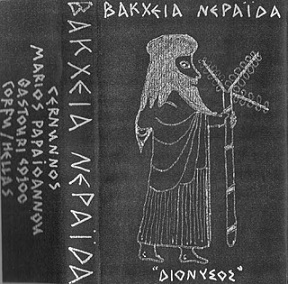
In a way this feels like a piece of contemporary novelty – what if DS but ancient Greek – but at the time of this release dungeon synth wasn’t defined enough to pastiche in this way. The resulting work, lo-fi keyboard lines, what sound like live drums, and a mixture of black metal screeches and haunting spoken work, all feels like a truly unique outcrop of black metal adjacent ambient/neofolk, antiquated for the sheer amateurism of its delivery and of course the subject matter it derives from. The dodgy musicianship and muffled cassette quality are about the only things that give away the vintage of this release. One can speculate why it’s not better known (outside of some attention on the Dungeon Synth Archives YouTube channel), but I suspect the individual behind it may have something to do with it (don’t look him up if you’ve a sensitive disposition).
The Magik Way: Dracula (1797-1997), (Italy, 1997)
darkwave/performance art
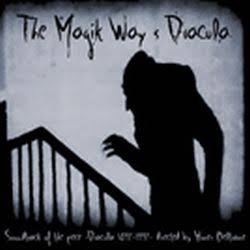
An offshoot of Mortuary Drape, this is a recording of a theatrical performance of Dracula directed by Hermes Beltrane, with The Magik Way playing live alongside the stage show. Remastered from the original four track tape recording in 2022 to mark the 25th Anniversary, you would not notice that the version available on Bandcamp and streaming platforms was taken from a live sound desk mix. The material can be enjoyed in its own right independently of these origins. In the context of this list it works perfectly as an eccentric outlier of experimental, arcane darkwave, crafted from a rather basic guitar, drum, keyboard setup alongside eerie female vocals somewhere between song and fearful lament, and retaining all the eccentricity we’ve come to expect of extreme metal from this region.
Elffor: Into the Dark Forest… (Spain, 1998)
black ambient
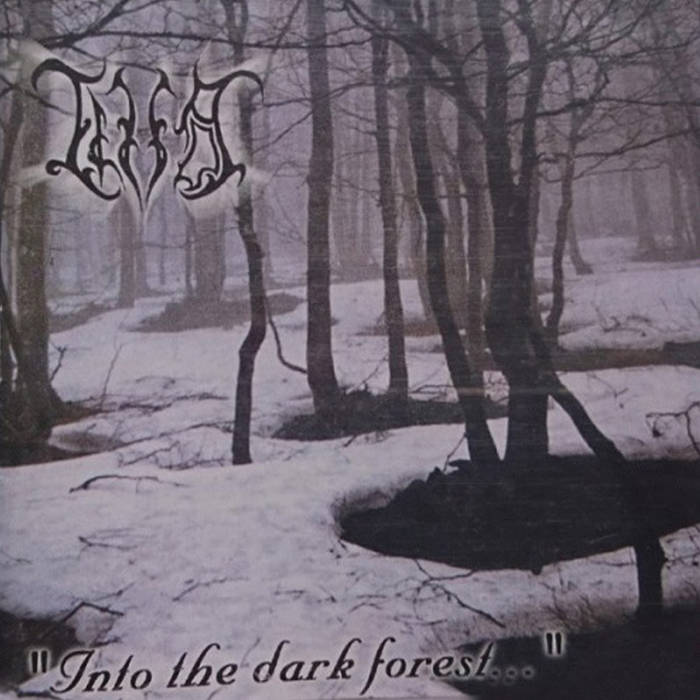
Technically fantasy ambient or medieval ambient, but I’ve included the black tag due to the frequent howling that accompanies the highly orchestrated music, meaning this release looks spiritually more like symphonic black metal sans guitars and drums. The assertive use of brass, horns, and swirling synth lines means this could easily exist in the same universe as Summoning, although Elffor work in a more shortform context. This is the first chapter from an insanely prolific artist with a rather intimidating discography, but even at this point it’s clear they were aiming for a degree of professionalism distinct from their peers. Although created entirely through synthesisers, great pains were apparently taken to properly layer and arrange each sequence to give rise to a fully realised work. It may lack some of the eerie charm of the more lo-fi features on this list, but it more than makes up for this in furnishing us with a fully realised world.
Nexus 6: Four Seconds to Die (Spain, 1998)
neoclassical/darkwave
Another release in keeping with Ihsahn’s maximalist approach to ambient, throwing lavish synth arrangements together, decorated by delicately intricate piano lines, but also underscored by pizzicato strings and some marching band style snare drums to bring it all together. The result reaches for a fully realised orchestral experience, but still leaves room for contemplative ambient segments along the way. Again, given the vintage of this material it exudes a professionalism orders of magnitude above the majority of material on this list. And again, some might be put off by the sterility of the presentation despite the colourful creativity expressed throughout. But there’s no denying Nexus 6 had a clear vision, ability, and means to bring it bear on this outlying debut.
Throne of Splendour: Facing the New Dawn (Greece, 1999)
neofolk/ambient
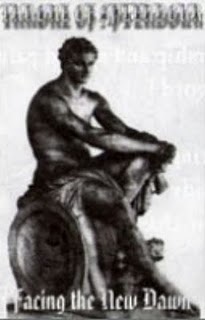
The same people behind Lord Wolf went in a more explicit black metal direction here, offering sparse guitar led pieces again reminiscent of Branikald or Forest, but perhaps delivered with a more folk oriented direction in mind. Although materially it is black metal, it falls more into an ambient character in terms of technique and delivery. The music is repetitive, texture led, non-developmental in the fact that it doesn’t seek to string out a sequence of riffs, instead moving through a series of simple, meditative vignettes ornamented with some distant, haunting vocalisations that only enhance the misty, half-formed atmosphere across this brief demo.
USA
Pre-2000, the US black metal scene only really existed in the minds of a few disparate but very determined individuals. Not everything they did “worked” in the strictest sense, but they were bound by the strength of their unique visions, and seemingly bent on world building through music, in part drawing on the occult and ancient mythologies, partly fabrications of their own minds. This becomes even more apparent in exploring their non-black metal experiments. Very rarely could this be called “musical”, but it certainly belongs in this universe, elaborating on the atmosphere and intent of black metal through various sojourns into what can only be described as sound art, in stark contrast to the often highly melodic material of their European counterparts. It’s also apparent that, despite this material now languishing in obscurity, much of it was very ahead of its time in creating links between black metal and industrial, noise, and the theatrical tradition, well before knowing academics began pointing out the parallels at least.
Profane Grace: The Divination of Souls (1992)
dark ambient
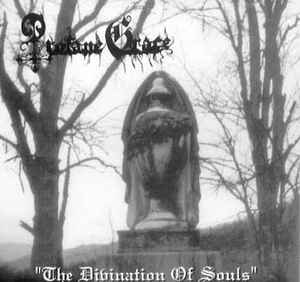
Ixithra of Demoncy fame needs no introduction as a pillar of the early USBM scene. This ambient altar ego offers some of the earliest examples of black metal dispensing with guitars in favour of pure atmosphere. But anyone looking for early dungeon synth gems will be disappointed. This is pure dark ambient, borderline musique concrète. Some synth lines do emerge, but for the most part this is eerie sound effects and vocal experimentation. Ixithra uses his unique, whispery approach to black metal vocals to articulate elongated lines of aural acrobatics, then reprocessing the results until it becomes a kind of textural instrument in its own right. Amusical in the sense that there is very little in the way of tonally discernible material, but as a work of unbridled, haunting ambient drone it remains remarkably prescient.
Equitant: The Circle of Agurak (1993)
dark ambient
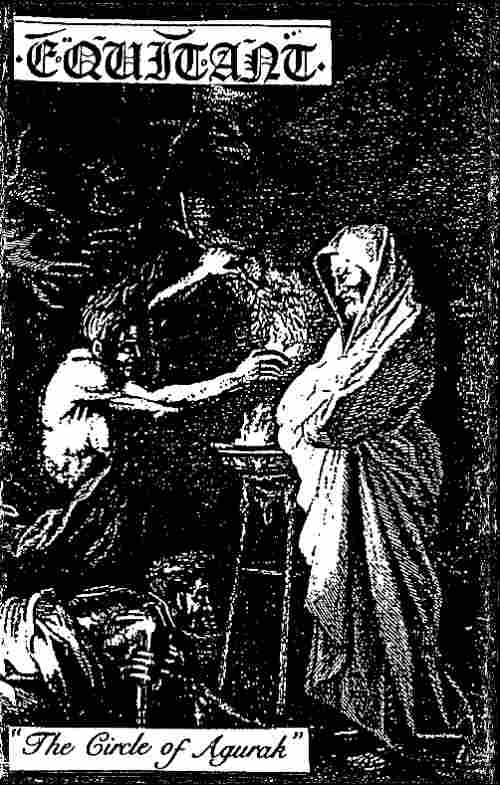
Another outcrop of early USBM, this time from members of Absu helmed by Raymond Dillard Heflin. This project would later move in a more industrial/EBM style, but here we see another sparse miasma of dark ambient. Opening with some spoken word narration over droning synths, the demo slowly moves through several iterations of thematically similar dark ambient explored through different instruments, be it alternative synth tones or droning, black metal guitars. Both this and the Profane Grace project show how exploratory early USBM artists were, seeing very early on the experimental potential latent within black metal. This is perhaps no coincidence, given how isolated US black metal artists were in a world dominated by death metal, their willingness to follow all avenues of possibility would not be blunted by their distance from any like minded individuals far away in Europe. The result is far less musical, but somehow more total in the arcane worlds it evokes.
Equimanthorn: Nindinugga Nimshimshargal Enlillara (1994)
dark/ritual ambient
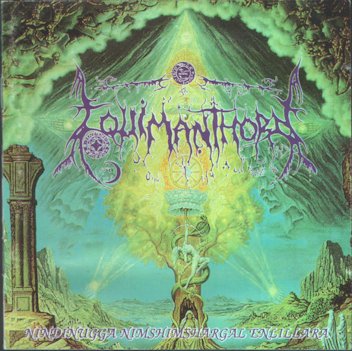
Another vehicle between the members of Absu, this time on a more collaborative basis, as more instrumentation and performative flair is brought to the table. That being said, the results are hardly more musical. The result is a kind of ambient drone of keyboards and guitars, punctuated by repetitive percussion and a whole host of ritualistic vocalisations, sometimes narration, sometimes chanting, sometimes what looks like melodramatic reenactments of Sumerian mythology. Similar to The Magik Way, this feels like it could be the soundtrack for a performance that was not captured on film. And, as with Equitant, is testament to just how far early USBM was pushing at its experimental borders. Only incidentally related to the story of dungeon synth, it may be more appropriate to treat this as a kind of sounding board of folk art left in the wake of the intense central thrust of black metal evolution at this time.
Havohej: Black Perversion (1994)
noise
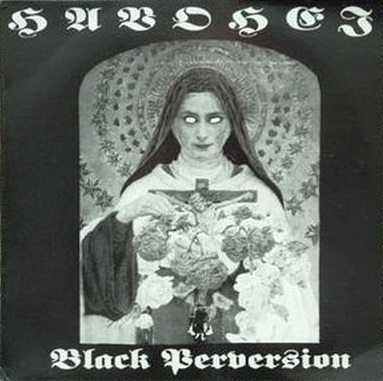
Created after the initial demise of Profanatica, Havohej has an odd history, initially putting out the raw black metal/noise/dark ambient EP ‘Unholy Darkness and Impurity’ that would only hint at things to come, Paul Ledney was then encouraged by Candlelight Records to release some more conventional metal material. This resulted in him teaming up with Profanatica guitarist John Gelso to produce the infamous but not at all representative ‘Dethrone the Son of God’, consisting of reworked Profanatica material. What followed were two EPs of blackened noise, the first of which was this. As a percussionist, all of Ledney’s work is imbued with this physical, primal energy, but in Havohej he overlays this with surrealist slabs of experimentation that belies his defiantly restrictive output and posture in Profanatica. Black metal at a material level, but overlaid with a truly avant-garde quality. A dive into layers of noise, textural experiments colliding with relentless rhythmic persistence. Since these brief early outings Ledney returned to this format with a scatter of EPs in the 2000s, and eventually the unprecedented full length ‘Kembatinan Premaster’ in 2009 and the more recent ‘Table of Uncreation’, the totality of which is some of the most unique material to come out of any black metal scene.
Proscriptor: The Venus of Bellona (1995)
darkwave(?)
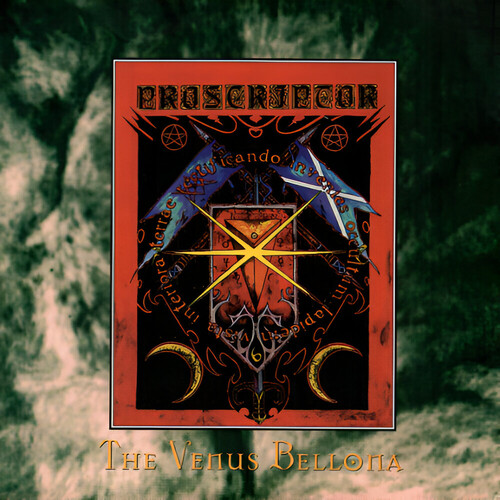
It hardly needs restating but…Proscriptor McGovern is absolutely crackers. For all the control he exercised over the artistic direction of Absu, it continued as a collaborative effort with other individuals. Here he is given free rein to expand on his Celtic and Sumerian obsessions and it shows. A mix of synths and real instrumentation forms a sparse backdrop for what feels like a one person play, with Proscriptor playing different characters (at times in dialogue with each other), replete with poetic vignettes and random outbursts. But this is intercut with surprisingly reflective folk elements, and a cavalcade of instrumentation from bagpipes to flutes and of course some intricate percussive work. It’s a sprawling work, both in terms of mood and the range of musical techniques deployed, stretching between traditional and modern electronic elements. Impressive from a certain angle, completely mental from any other.
Brethren: Summoning Ageless Vengeance (1995)
dark ambient
From one Black Lourde of Crucifixion of Grand Belial’s Key fame, this odd experimental project is essentially a series of bass and guitar arpeggios (both clean and distorted) alongside a spoken word narration delivered in an array of grunts and whispers. The result feels like a neat anticipation of the drabber aspects of ambient black metal that would come to fruition in the US by the end of the 90s.
Near Death Experience: Life is a Near Death Experience (1996)
darkwave
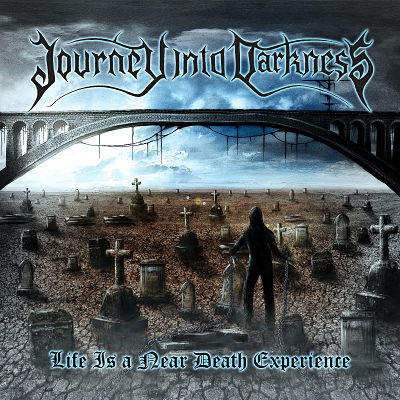
Although originally released under the name Near Death Experience, Brett Clarin, the man behind this project, decided to re-release it in 2019 under his current symphonic black metal project Journey Into Darkness (who are well worth checking out). It’s worth including here because, despite its relative obscurity, it’s remarkable how neatly it fits into the narrative of early dungeon synth. It functions more like a metal album, but one recorded entirely on synths and programmed drums. The stated intention was in keeping with much early dungeon synth, why not extend the intros and interludes of metal albums into full blown music? Here, the highly synthetic presentation alongside the undeniable energy behind the music means it straddles a certain gap between videogame music and a more full blooded variant of darkwave.
Valefor: Death Magick (1996)
ambient/noise
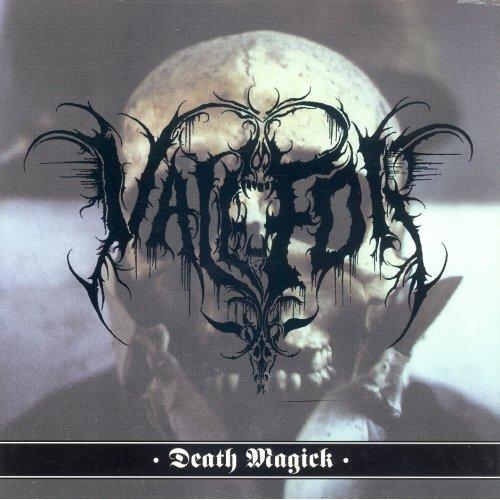
Another pillar of USBM, Michael W. Ford of one Black Funeral was every bit as interested in experimental ambient as his peers. Here we find an album of almost pure noise, with some hints at melodic construction passing by like ghostly creatures in the deep of the ocean. There is no motion across this presentation of sound, merely a gradual evolution from one texture to another. What makes it tick is the implied size beneath the relatively sparse surface layer. Like a lot of quality dark ambient, it thoroughly sets the atmospheric agenda with only the most limited material, only to incrementally unfurl a vast sound world, but one that is never fully revealed, only ever hinted at beneath the softly revolving layers of droning static.
Darkness Enshroud: Unveiled Ghostly Shadows (1996)
dark ambient
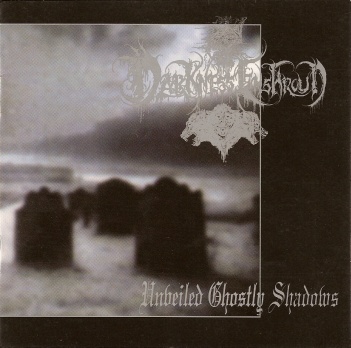
Another Michael W. Ford project, this time taking things in a more ritual ambient direction. Droning synth lines, metronomic programmed drums, and monotone vocal chanting, all give rise to a feeling of drab ritual, provoking a kind of fugue like state within the darkness. It’s interesting to contrast this with some of the more ornate expressions of occultism and ritual across this list. There is a menace and authenticity behind the achingly understated delivery that speaks louder than any lavish instrumentation or melodramatic flair. Ford is (for want of a better phrase) “the real deal” when it comes to his knowledge of the occult, and perhaps this intimacy with the subject matter bleeds through into this genuine artefact of foreboding ritual ambient.
Black Funeral: Moon of Characith (1999)
dark ambient
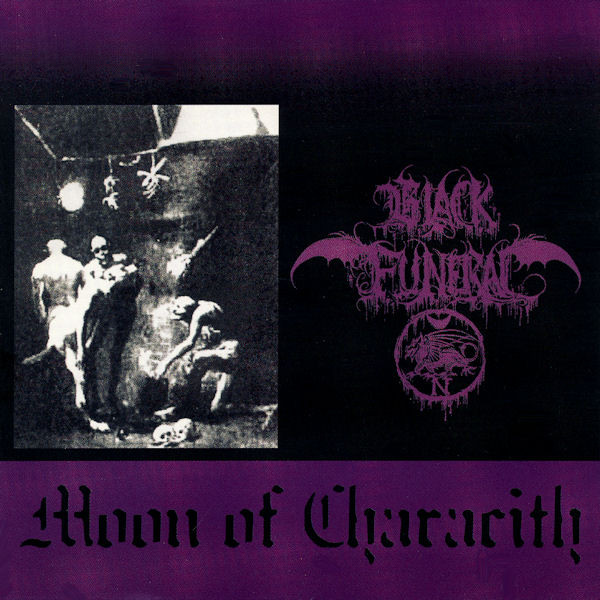
Released at a time when Black Funeral was evolving away from traditional black metal into a more industrial direction, this interim tangent into ambient is in keeping with Ford’s other projects, but is maybe delivered with a greater degree of fanfare. Essentially a piece of ambient drone constructed in part by distant reverb drenched sound effects, perhaps in part crafted from church bells stretched and warped into elongated notes, and ritualistic chanting, along with foregrounded spoken word liturgies in what feels like the perfect inverse of their Catholic counterparts. The result is every bit as immersive as his black metal work.


Maybe Aghast is also of interest, also Andrea Meyer, and an ex of Fenriz.
LikeLike
Don’t even know 20% of the lists combined. Never cared about this until much later. I always enjoyed them as in-betweens, but never cared to listen to a whole ambient album. Thanks!
LikeLike