Atomic Aggressor: The Occult Forces
Out 28th August on Hells Headbangers
With a history stretching back to the mid-80s, Atomic Aggressor are arguably one of the first to enter Chile’s death metal race along with Pentagram. But following their reformation in 2007 this is only their second album, which may partly explain why they haven’t receive the same plaudits as their peers. It’s fair to say that Chilean death metal has grown by leaps and bounds even since Atomic Aggressor’s debut ‘Sights of Suffering’ released in 2014. In an arena of stiff competition dominated by bands two generations their junior, they certainly have their work cut out for them.
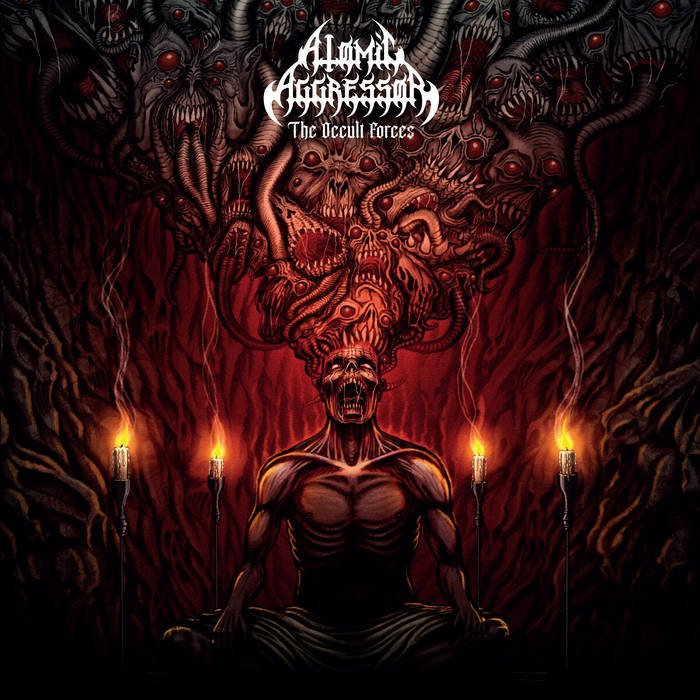
‘The Occult Forces’, whilst not quite leading the pack, does enough to make us take note, and on an international metric easily outdoes the competition. Their vintage is on full display here, as fluid thrash riffs form the backbone of these pieces, defining the shape of the lead work as much as the overall aesthetic. Choppy death metal transitions and brief, minor key melodic inflections bring detail to this picture, adding layers of complexity atop the sturdy framework. True to the title, there is a malevolence to this material, the physical manoeuvres at the substrata painted over with a classically evil revelry, power and muscle combined with a drunken euphoria menacingly celebrating its visceral subject matter.
The production is nothing to write home about. A clear, crisp, factory settings mix places all the levels exactly where they should be. But one is left cold by the sterility and lack of character. Overly compressed, without imagination, reminiscent of the mid to late 2000s homogeneity that OSDM was in part a backlash against. That being said, it does little to tarnish the material, which is at least delivered with conviction over and above the off-the-shelf packaging. At the very least there is space enough for each performance to cut through with ease without overriding its surroundings.
There is a thunderous momentum maintained across these tracks, but Atomic Aggressor continuously refresh the picture, throwing in disruptive barrages of choppy staccato riffing to upset the linear momentum of the faster passages. But the music is not beholden to the minutia of rhythmic sophistry typical of more technically minded outfits. A melodic character shines forth through brief but frequent accents decorating the power chord formed riffs. Equally, any energy accumulated is transferred to slower passages as drums flex their muscles, delivering more elongated patterns to create brief pockets of tension and release, forcing the guitars into more vertical waves of gradually unfolding information. Such elasticity must inevitably be released as the music volts back into up-tempo bursts of high energy speed runs.
For a veteran band, releasing their first album in over a decade into a crowded field of high quality releases, Atomic Aggressor have outdone many acts of a similar vintage. Whilst lacking some of the daring flair of their younger counterparts, this album remains true to the spirit of Chilean death metal, namely a celebration of form, finding new means of expression within tried and tested methods, they thus avoid any accusations of sterility or repetition. A solid hit that sacrifices none of the imagination in the process of creating a please-all slice of thrashing death metal.
Draugaskógur: Stellar Torch of the Magical Depths
Out 31st August on Black Gangrene Productions
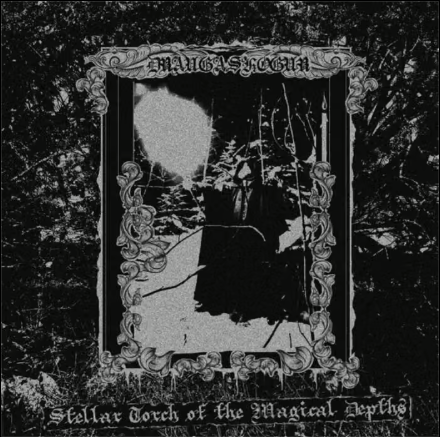
A heartfelt love letter to black metal in that the music flows out of the speakers from moment to moment in transitions and breaks that will feel intuitive to any seasoned fan. Whilst predictability is a double edged sword, by the standards of the meditative, absorbing style Draugaskogur shoot for here it is more of a virtue. In the context of contemporary black metal, this is an incredibly efficient release, with absolutely zero fat in the telling and no wasted space. Despite this, the album feels grand in scope, with vast open spaces and atmosphere to spare. All the more praiseworthy that the landscape is populated with simple yet effective riffs and melodic lines that feel at once developmental yet intrinsically valuable. It’s an experience that has nothing new to offer, and should be treated as little more than fanservice. But when plucked out at random against any stylistically similar release in recent years it’s clear that Draugaskogur are both more competent and perhaps more innocently enamoured by their source material than most, and therefore able to offer an immersive environment of escapist black metal rewarding for its simple joy.
Vulgar Mephitis: From Dust
Out 11th September on Willowtip Records
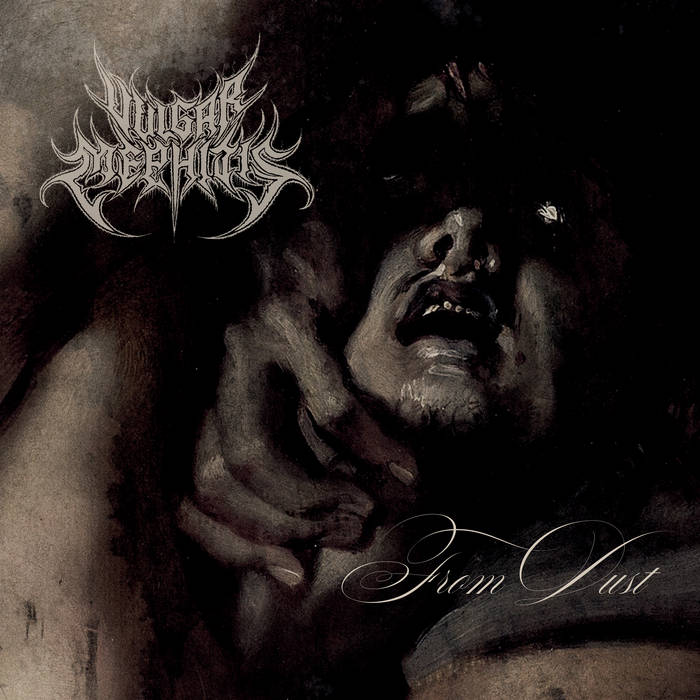
As a halfway house between “typical” brutal death metal and a more dissonant, avant-garde, post hardcore informed flavour of modern metal one could do a lot worse than reading into this album. The aesthetic elements are finely balanced throughout, with Vulgar Mophitis’s headier ambitions being given plenty of license to roam without abandoning a strong percussive grounding informed by some riffs that are just plain fun. There is an undulating flow to these tracks, one that acknowledges the frantic, disruptive nature of the music whilst allowing for energy to be effectively transferred from the dense blasting segments to breakdowns, both motivations are complicated but not incoherent as a result. It wouldn’t be untoward to nominate this as an entry level point for anyone new to brutal death metal. For all its complexity, it avoids the monotony that many find alienating about the genre, and the oddball melodic moments give listeners more accustomed to indie/alternative avant-garde rock a way into a more metallic interpretation of this style.
Filth: Death Exhibition
Out 11th September on Me Saco Un Ojo / Rotted Life
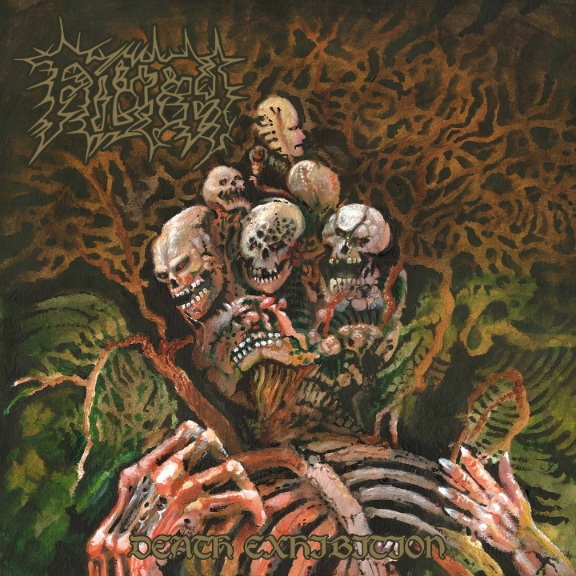
Competent but ultimately superfluous death metal. That names like Autopsy, Incantation, and now even Demilich are so often invoked as influences demonstrates just how limited the gene pool of OSDM has become, in that the vast majority of bands aligning with this ethos overlook ninety percent of material from the old school era. Ignoring the rich legacy of a past they claim allegiance to also limits our perception of how this music unfolded at the time, and the potential still left within it. Filth are far from the worst offenders in this regard. They can competently string riffs together into a coherent sentence, and allow energy to flow neatly between phrases. But beyond these minor check marks one will find little more than idle stenography across these tracks.
Necrocene: Scumocracy
Out 18th September on Personal Records
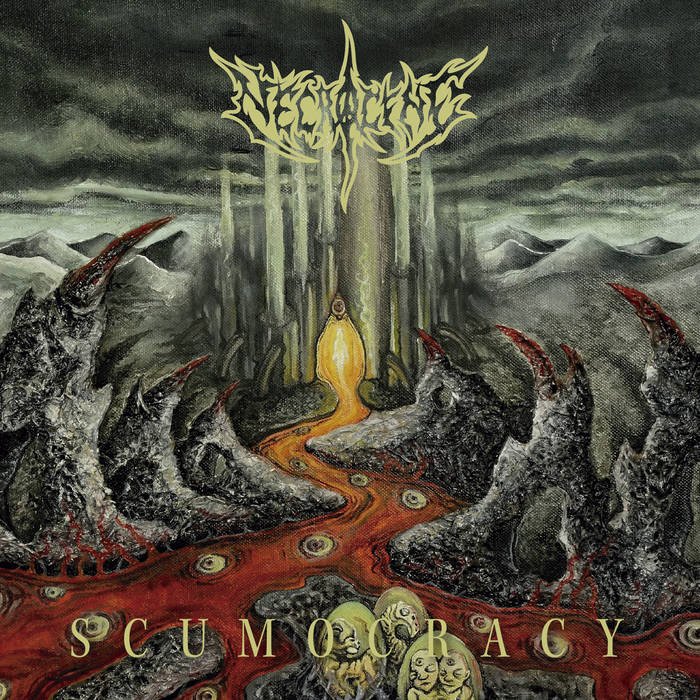
Necrocene offer a debut that could easily have come at the very moment that death metal emerged from the borders of late 80s thrash. This is true in almost every respect. The production, aside from the crisply mixed drums, inhabits a thin veneer, a clunky authenticity that prioritises clarity over any laboured presentation. The riffs themselves, having nowhere to hide within the mix, appear chiefly preoccupied with integrating themselves into a clearly plotted throughline, their journey from start to finish taking the form of articulated paragraphs of sonic information, eschewing any shortcuts or crowd pleasing showstoppers which in turn forces the listener to regard each track in the round rather than waiting for a single moment of payoff. Equally the lyrics seem to explore apocalypticism in a manner that echoes late 80s metal, the coming end times welcomed by an age of acceleration. Vague enough to bridge any political divide, but grounded and real in a manner that places clear blue water between this and the majority of OSDM, which looks for all the world like comic strip metal by comparison.
Suffering Quota: Sisyphean Life
Out 18th September on Tartarus Records / 7 Degrees Records
Extreme metal riffs return home in this loose solution of frantic grindcore very much in keeping with the punk roots of the genre. These short tracks adopt a mischievous, disruptive posture in the accrual and disposal of momentum. As breakneck speeds give way to incongruous pauses and droning interludes of guitar feedback. These sit in clear juxtaposition to more bombastic punk gallops, d-beat passages delivered in up-tempo cavalcades, and a lower, multifaceted death metal gene so placed to disrupt the flow further. But taken as read, not to mention the high end vocals that rarely descend to guttural territory, this is a hardcore band playing grindcore. The flow of these tracks feels conditional and informal. As if frantically gesturing in multiple directions at once with no sign of a resolution in sight. In this regard it succeeds as a nihilistic call to arms of sorts, the intensity of which will resonate with a metal audience even as the structuralism present in deathgrind melts away in this more communal setting.
The Bleeding: Godless Communion
Out 18th September on Redefining Darkness
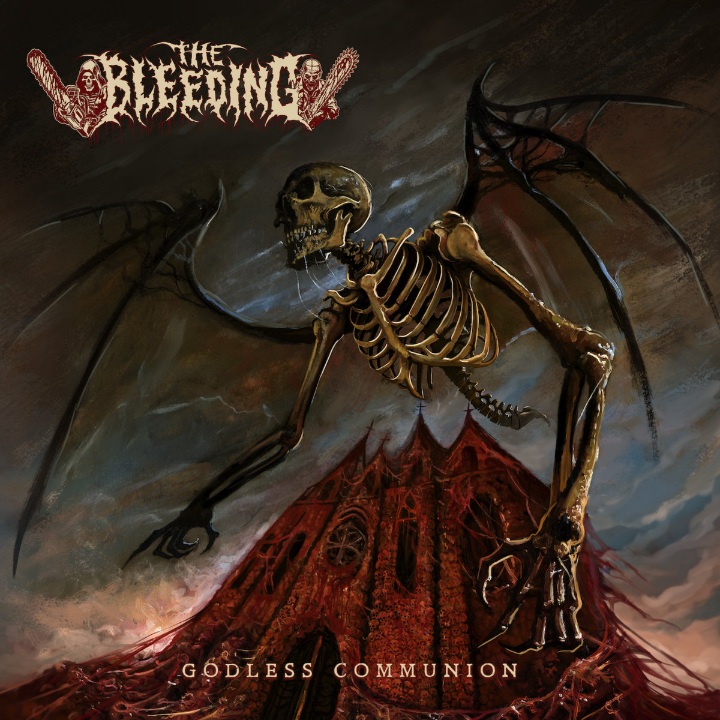
Purportedly this is speed informed death metal, and in that regard it does a convincing job of resurrecting this style with a slither of black thrash thrown in for good measure. But The Bleeding suffer the same curse as any band operating in 2026, namely too much knowledge. More so than any previous era, the modern musician, like the modern fan, is weighed down by the sheer amount of history bearing down on them. Something that affects old and young alike at this point. An excess of material absorbed through osmosis, that must in turn be filtered down into a coherent artistic statement, can often lead to little more than playlist metal. Distinct from the historically organic process of simply brewing a disparate set of influences together into a new and unique sound, playlist metal tends to jump between styles, eras, and themes in motions as jarring as they are incongruous. In some respects the modern fan, accustomed to the disorientating effects of the “scroll” welcomes this, music that offers divers experiences all in one place. But as a musical statement in its own right, the lasting impression is of music as impatient as it is random. The stylistically loyalty of The Bleeding means they avoid the worst traits of playlist metal, but the flow of these tracks feels unfocused and compromised regardless.


Leave a comment