Waan van de leegte
Out 6th June on Terratur Possessions
Similar to the recent Selenite Scrolls in its ability to insert itself into a very crowded style and still find room for a USP. This debut slots in somewhere between early Enslaved and Ulver with a less explicitly folkist orientation. The album washes over the listener in understated yet richly realised currents. Holistic in the sense that no individual moment, riff, or measure is particularly remarkable in isolation, but each contributes in bringing a vast, panoramic experience to bear. The album feels easily digestible in terms of length and content for anyone well versed in Nordic black metal, but a renewed picture emerges regardless. In some respects many fans are still driven to plunge the depths of the genre in the hopes of recreating that magical moment from our youth when we initially connected with the music. Here such a possibility presents itself, as if all that were required to bring it to life were a fresh pair of hands, refurbishing old techniques, like a deep clean that renders the dull, dusty antique unrecognisably vibrant.
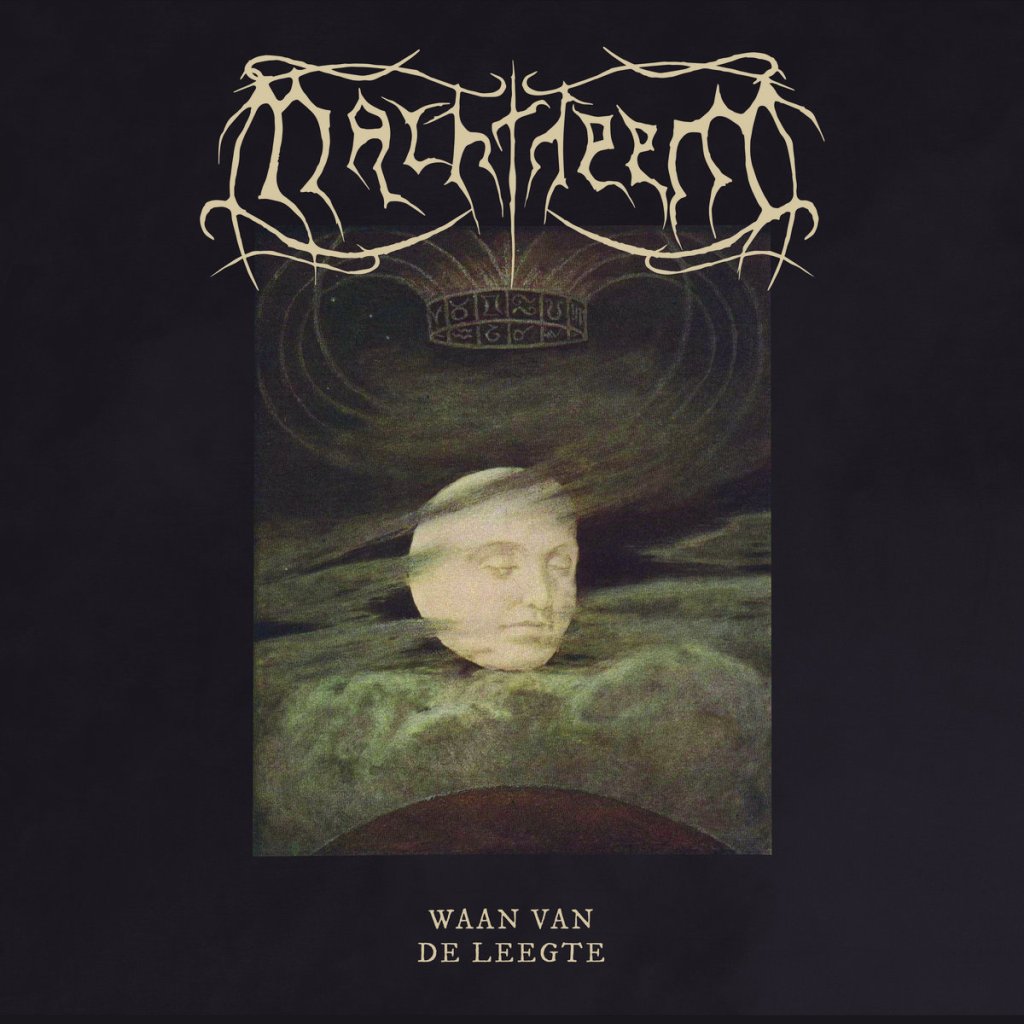
The production plays its part in this endeavour by simply taking a back seat. Every element of the mix feels deliberately designed to go unnoticed. A choice that looks almost radical at a time when every crevice of an album can be carefully curated by the artist. Sure, pre-DAW, studio time was costly and clunky. Sure, bands had to relinquish control to a producer, and many ended up with products they weren’t happy with. But this only highlights the importance of making sure the material has the strength to stand on its own two feet. More often than not, the near limitless time and resources afforded to modern musicians to tweak, to craft the mix according to their every desire, this is simply filling in the blanks left by a lack of creativity. In furnishing us with a complete musical experience expressed through the most generic (but not sterile) black metal production style possible, Nachtheem eschew this trend. Not raw but not polished, we are given a sweeping and perfectly balanced three-sixty survey of the instrumentation.
The austerity of the riffing bears this out. Repetitive yet evolutionary. Basic tremolo runs slowly compound on one another, like a selection of gradually oscillating cogs that appear initially to be circling round the same sequence ad infinitum gradually expand out into a vast expansive landscape. Drums, rich, warm, and organic, ride these continuous waves, making their presence felt more than intellectualised, as they slowly build and fall in intensity to emphasise a shift from one phase to the next, but never deviating from an important guiding mantra: “serve the song”. As the wistful guitar lines crack the sky, gruff, earthy vocals offer an anchor, a welcome contrast pulling the music down to the level of the soil. Sparse folk seasoning decorates the album at welcome intervals, reaching its apex on the penultimate track ‘De antwaking’, where the metallic instrumentation bows out to make way for an enriching, ritualistic hymn.
‘Waan van de leegte’ threads a needle through many patches of black metal that look easy enough to sow back together on paper, yet if the last quarter century of music has taught us anything it’s that balancing such a meditative flow with stirring, active musical dynamism requires a rare temperament. Namely, it requires any temptation to individual musical flamboyance to submit before the remit of a larger picture. This is composed music in the philosophical sense, with the time taken to ensure that each instrument is serving the whole, along with meticulously placing every single riff, melody, lick, rhythm, and transition exactly where it needs to be. From this angle it feels like the music is being discovered more than it is created. Not only in the sense that Nachtheem are allowing the music to play through them as much as they are actively creating something. But in the more literal sense that it allows world weary black metal enthusiasts a chance to rediscover a more naïve love of this music, as if we were unearthing some long lost gem from the mid-90s that somehow escaped the restless extractivist archival tendencies of the online world.


Leave a Reply