Psy-War: From Deep Depressions to the Borders of Suicide
Out 27th November on La Caverna Records (originally released in 1992)
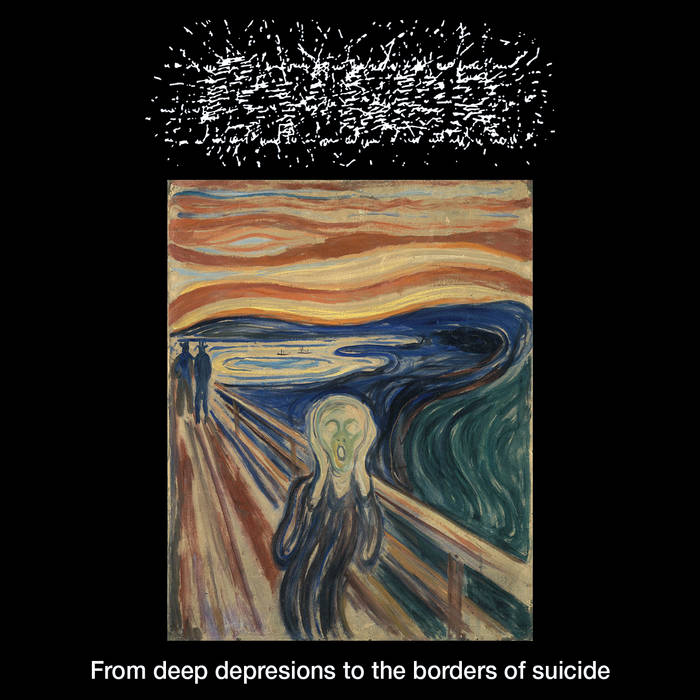
Unsettling grindcore notable for shifting the traits of the genre – the micro tracks, the frantic speed, bricks and mortar power chord riffing, and hardcore sensibilities – to a bleaker, almost defeatist place. Basic, three or four note riffs are thrown out almost at random, sometimes mirroring black metal of the time, specifically the teasingly aggressive proto melodicism of Sarcofago. Thrash and death metal play a supporting role, but the pacing is so deliberately disconnected, frantic, spontaneous, that their presence is felt more in the riff shapes than anything structuralist. In this sense this demo feels like listening to the primordial soup of what would become known as blackened grind. Distinct from war metal, the rhythmic impulse lurches around in schizophrenic bursts. The focus is on contrast, tension and release, a cacophonous and unhinged web of gestures delivered without resolution. There is nothing conclusive about this music, each statement left incomplete, open ended, thus forcing the listener to reckon with it as a series of implications as opposed to any fully realised statement under the jurisdiction of the artist.
Withering Surface: Unique
Out 6th February on Mighty Music (originally released in 1995)
Reissue of the first demo from this Danish melodic death metal outfit. Whilst the debut ‘Scarlet Silhouettes’ is a mishmash of In Flames and later At the Gates alongside some darker black metal sensibilities, one can feel the latter element more strongly in this earlier material. Loose, dreamy, wistful passages lifted from early Dimmu Borgir add a layer of obscurantist fantasy to the more active, accessible melodeath riffing. Counter intuitively, these two competing impulses feel far better integrated on this demo than anything that made it onto the full length released two years later. The melodic material is not yet shackled by the poppy thrash lexicon that haunted early melodeath and ultimately cleared the path for deathcore. Here, it flows across the music in longer, wandering sequences, referencing both the melodic doom of early My Dying Bride and the heroic statements of germinal Amorphis. All bound together by the ambitious, fantastical storytelling that much black metal had arrived at by the time this material was released. The result is easily the most compelling music to be found in this artist’s discography. An interesting survey of where this pocket of extreme metal was in the mid-1990s as much as it is an insight into a younger artist attempting to find their identity within this brew of influences.
Skadin: Wallachian Emperor
Out 7th February on Loud Rage Music
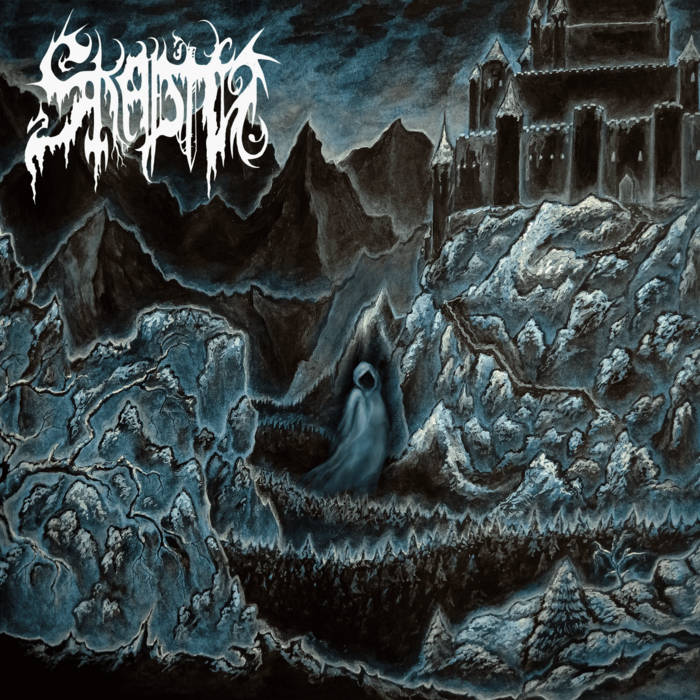
Takes the linear haunted house black metal of early Gehenna and infuses it with an explicit punk influence. But its relationship to the latter is forged in catchy folk refrains and an accessible melodicism as opposed to the raw, stripped back austerity that formed the basis of the original allegiance between the two genres. Unlike a lot of black metal that leans a little too heavily into a pop punk melodic sensibility, the explicit folk and symphonic reference points of Skadin allow them to find a balance between a candyfloss accessibility bolstered by intelligent composition. An explicit heavy metal character also bubbles to the surface, coating the music in a triumphalist sheen serving as a neat inverse to the sugar coated posture of the symphonic elements. At times a little too much of the hybrid remains, making for a tense listen as one wonders if the music will eventually collapse into pop metal impotence, but for the most part a curious iteration of symphonic black metal emerges, strengthened by the chimerical elements borrowed from punk, folk, and heavy metal.
Overtoun: Death Drive Anthropology
Out 13th February on Time to Kill Records
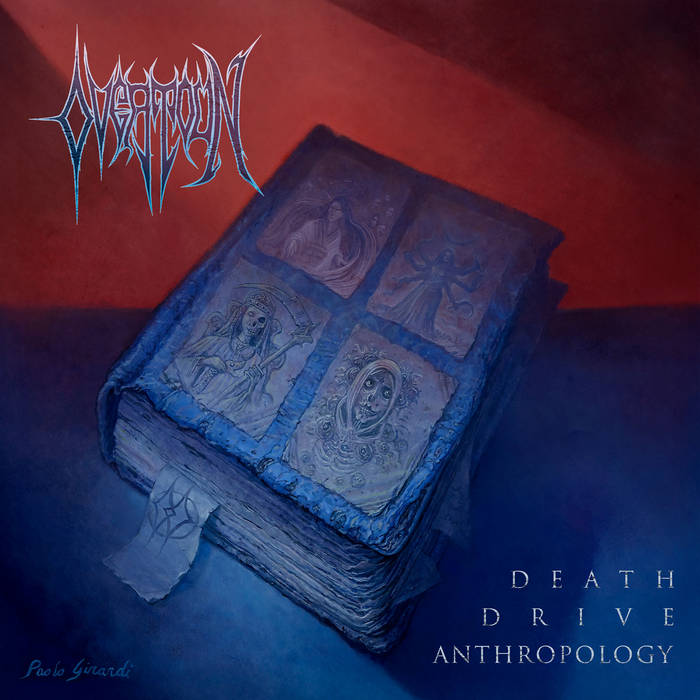
Playful hybrid death/thrash in the vein of Atvm for its ability to combine the heady riff geometry of Atheist with a more vulgar, urgent thrash ethos primarily concerned with rhythmic purpose. At times it feels a little too stylistically unfaithful for its own good, presenting as a competent survey of the intersection between bright, Floridian death metal and technical thrash, but one that fails to land on a clear expression of what these techniques are supposed to represent. Whilst this is certainly a style that benefits from a density of ideas, here they feel placed for the sake of posturing rather than articulating a clear statement on anything. As a result these pieces are a challenge to navigate, as very few landmarks emerge in an otherwise relentless conveyor belt of milestones. The music is undeniably idiosyncratic, but feels like the result of compromises between the band members in terms of which influences to throw in, what direction to take the tracks, and even the track list itself, which feels sequenced to be as tonally disjointed as possible. The result is a frustrating listen, as intelligent music stuffed with curiosities never quite comes together into a clear statement.
Brahmashiras: Trinitite
Out 20th February on Caligari Records#
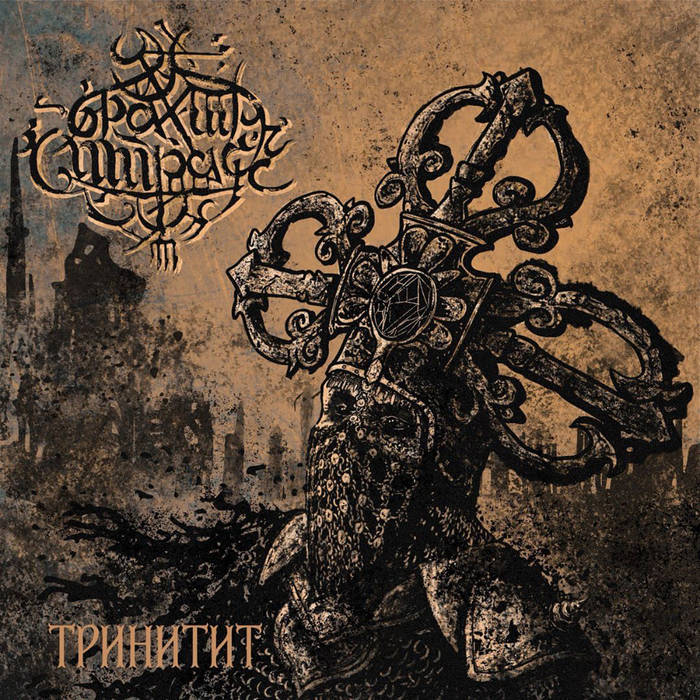
It’s often assumed that punk musicians have the necessary transferable skills to migrate to black metal. A notion that looks right on paper, but often results in albums like ‘Trinitite’, musicians that have an ear for a good riff when it counts, but who give no consideration to big picture thinking, to sculpting and refining. A lack of focus and even coherence that extends all the way to the obnoxious hybrid vocals attempting a kind of black metal style with punk swagger but ultimately feel anachronistic at best. The problem comes when Brahmashiras play black metal proper, in that the riffs themselves are often surprisingly ambitious and totalising. But because they approach this from the punk tradition, these moments go underdeveloped for the sake of mood killing hardcore bounce. The latter feature immediately bringing us back to reality, the inherent urgency and urbanity of punk does not so much contrast with the ethereal black metal material as kill it in its cradle. The two genres are deeply and closely connected, but that doesn’t mean their integration requires no curation or forethought.
Necropolissebeht: Taurunovem – Th’Astraktyan Serfdome
Out 20th February on Amor Fati
Longform war metal featuring members of Blasphemy and Hadopelagyal reaches for a form of dark ambience through noise. The melting pot of influences through thrash, hardcore punk, grindcore, black and death metal boiled down to a fuzz of landscaped noise. Guitars and vocals driven through a blender of reverb to disguise any articulation, thus giving rise to a fog of sound where familiar elements, if they can be discerned at all, appear ghostly, liminal, as if slipping away from memory’s remit. Random Kerry King style guitar leads provide some variation in pitch, and almost feel like a divergent timbral offering in an otherwise barbarically homogenous ecosystem. In this sense it recontextualises war metal as an aesthetic and textural art. Any riff language that once formed its DNA is supressed into a quaking emptiness, leaving nothing but an unending stream of violence and darkness, navigable only by shifts in intensity, pitch, and speed. The statement is unified, constant, and incontestable. Like other branches of metal at the very borders of the genre’s extremity, it feels like a dead end, but one that is worth pursuing regardless. The metal itself melts away leaving a more clarified aesthetic statement.
 Hate Meditations
Leave a comment